
Learning Objectives
- Explain how the Classical period (1750-1825) characteristics of order, objectivity, and harmonious proportion relate to the music characteristics of the period.
- Summarize how the American Revolution (1775-83) and the French Revolution (1789-99) profoundly changed political systems and social order.
- Classify the large-scale musical forms in which the Classical masters composed.
- Explain music making in the context of the royal court and the patronage system.
- Define form and absolute music, and relate these concepts to one another.
- Differentiate between the main musical forms of the Clasical-era by summarizing the development of the symphony, sonata, string quartet, and the concerto.
- Define and analyze the symphony, sonata, string quartet, and concerto forms in the context of the Classical period.
- Describe the impact of the major Classical composers Haydn, Mozart, and Beethoven.
- Discuss the impact of Beethoven's thirty-two piano sonatas.
- Compare and contrast the two types of Italian opera: opera buffa and opera seria.
Classical Period (1750–1825)
Classical Instrumental Forms
Minuet and Trio
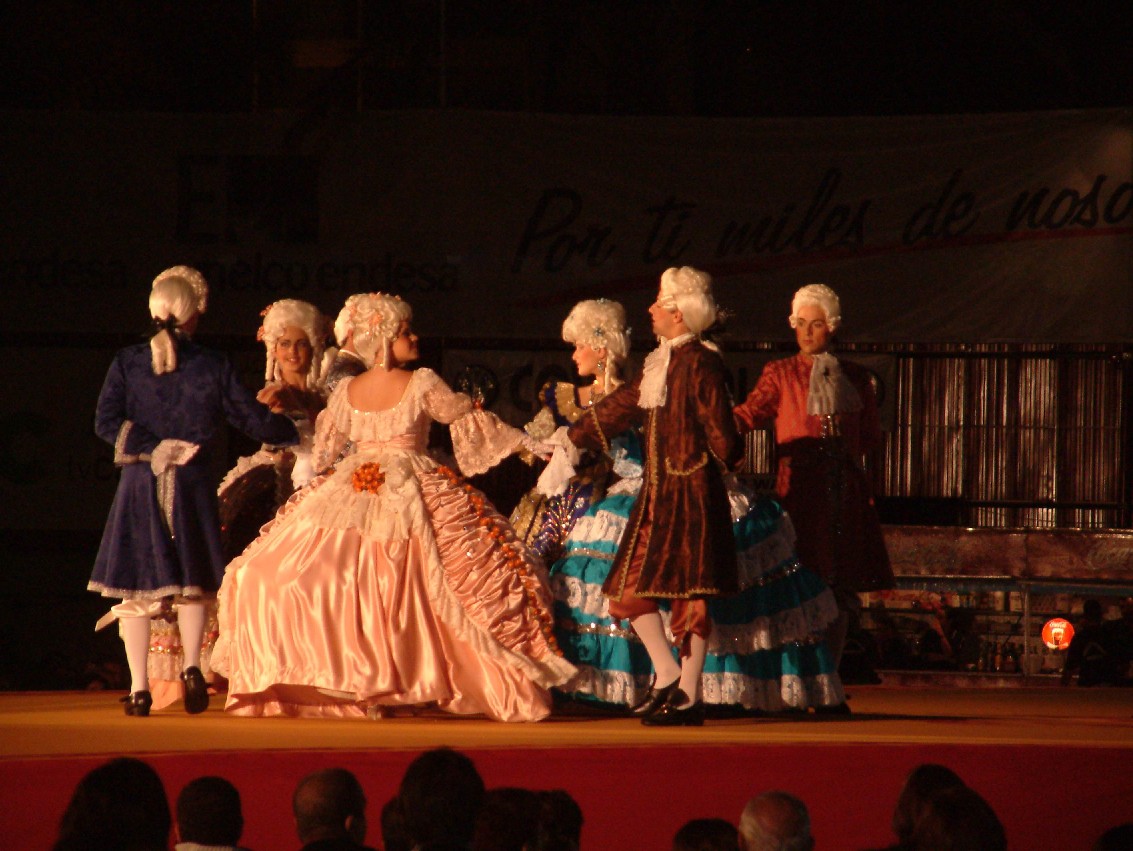
In the Classical period, the third movement of an instrumental work was often a minuet and trio. The triple meter of the minuet, which remained a fashionable dance in the 18th century, provided a pleasant contrast to the duple meter usually employed for the opening and closing movements. The trio—so called because during the Baroque just three instruments often played it—offered a quieter, contrasting B section. Each section, the minuet (A), trio (B), and return of the minuet (A), consisted of two parts.
The third movement of Mozart’s Eine kleine Nachtmusik is a minuet and trio. Follow along with the Listening Guide as you listen.
Composer: Wolfgang Amadeus Mozart
-
"Serenade No. 13 for Strings in G Major, K. 525, Eine Kleine Nachtmusik: Menuetto: Allegretto"
Rondo
The final movement of an instrumental work was often a rondo, in the form ABACA or sometimes ABACABA. It typically had a light, quick feel. The third and final movement of Beethoven’s “Pathétique” Sonata is an excellent example of a rondo finale. Follow along with the Listening Guide, which will help you identify the sections.
You have now listened to the second and third movements of this sonata. Here is the dramatic first movement, which is in sonata form. “Pathétique” does not mean “pathetic,” like it sounds, but instead refers to the original Greek “pathos,” meaning “suffering” or “emotion.” With this sonata, the 27–year–old Beethoven anticipated the Romantic era, which placed individual emotions and aspirations front and center.
Composer: Ludwig van Beethoven
-
"Piano Sonata No. 8 in C Minor, Op. 13, "
Theme and Variations
Theme and variation form had been popular in the Baroque as well. During that period, themes typically consisted of just a few notes, and these notes might serve primarily as a structural basis in the lowest voice. In the Classical era, the fondness for melody meant that themes became longer and more tuneful, and the first appearance of a theme was usually in the top voice, where it could be readily heard and recognized. After the initial presentation of the theme, subsequent sections (the variations) modified the theme melodically, rhythmically, harmonically, and texturally with the main theme frequently presented by different voices. Theme and variation form was widely used in the Classical era for entire variation-based works, such as the set of piano variations by Mozart that we will hear, as well as for movements within larger works.
In his Twelve Variations on the French Song “Ah vous dirai-je maman” (Oh mother, I will tell you), K. 265, Mozart uses one of the most popular 18th-century tunes. English speakers know the melody as “Twinkle, Twinkle, Little Star.” He probably composed these variations during his visit to Paris in 1778—which, unfortunately, like most of Mozart’s endeavors, did not bring him financial profit or result in stable employment in the court, as was his father’s goal. And yet the work is a favorite among pianists today.
Composer: Wolfgang Amadeus Mozart
-
"12 Variations in C Major on "