
Learning Objectives
- Analyze selected works of different styles and genres from a broadly representative geographical range to examine how Latin American concert music has been understood in the international musical community.
- Examine the music of select indigenous peoples of South America.
- Analyze the impact by European colonial powers to expunge South American indigenous languages, music, and religious practices.
- Examine the musical impact of African slaves on the music of South America, such as call and response, the use of percussion instruments, and capoeira (an elaborately choreographed martial art), to name a few.
- Identify indigenous composers who were trained by the missionaries, such as the early nineteenth-century composer Manuel Dias de Oliveira (1764-1837), who synthesized European musical styles in music such as the samba, samba-reggae, and bossa nova.
- Examine how Latin American vernacular music, such as the Brazilian bossa nova or the Colombian cumbia, has been used to mark holidays, enliven repetitive or physically demanding work, celebrate national identity, and express other aspects of the human condition.
- Analyze Latin American concert music, the impact of Hollywood on it, and how protest songs, corridos, and operas based on the tumultuous history of Latin America inspired both North and South American composers.
Colombian Music (Continued)
Andean Music
Music from the Andean region comprises a diversity of genres based on dance rhythms associated with the region’s Spanish heritage. Instrumental music features traditional plucked-string instruments, usually accompanied by guitar, tiple, and minor percussion (e.g, wooden spoons). The soloi instrument is typically an Andean bandola or a requinto, but a flute, a violin, or a clarinet are also commonly added. Bambuco and pasillo are two of the most representative genres. “Malicia indígena” exemplifies a typical bambuco.
Audio Missing: "Jorge Villamarín - Malicia Indígena"
Andean vocal formats can include all the instruments mentioned above. One of the most traditional performance formats is the duet, where the singers also play tiple and guitar.
Caribbean Music
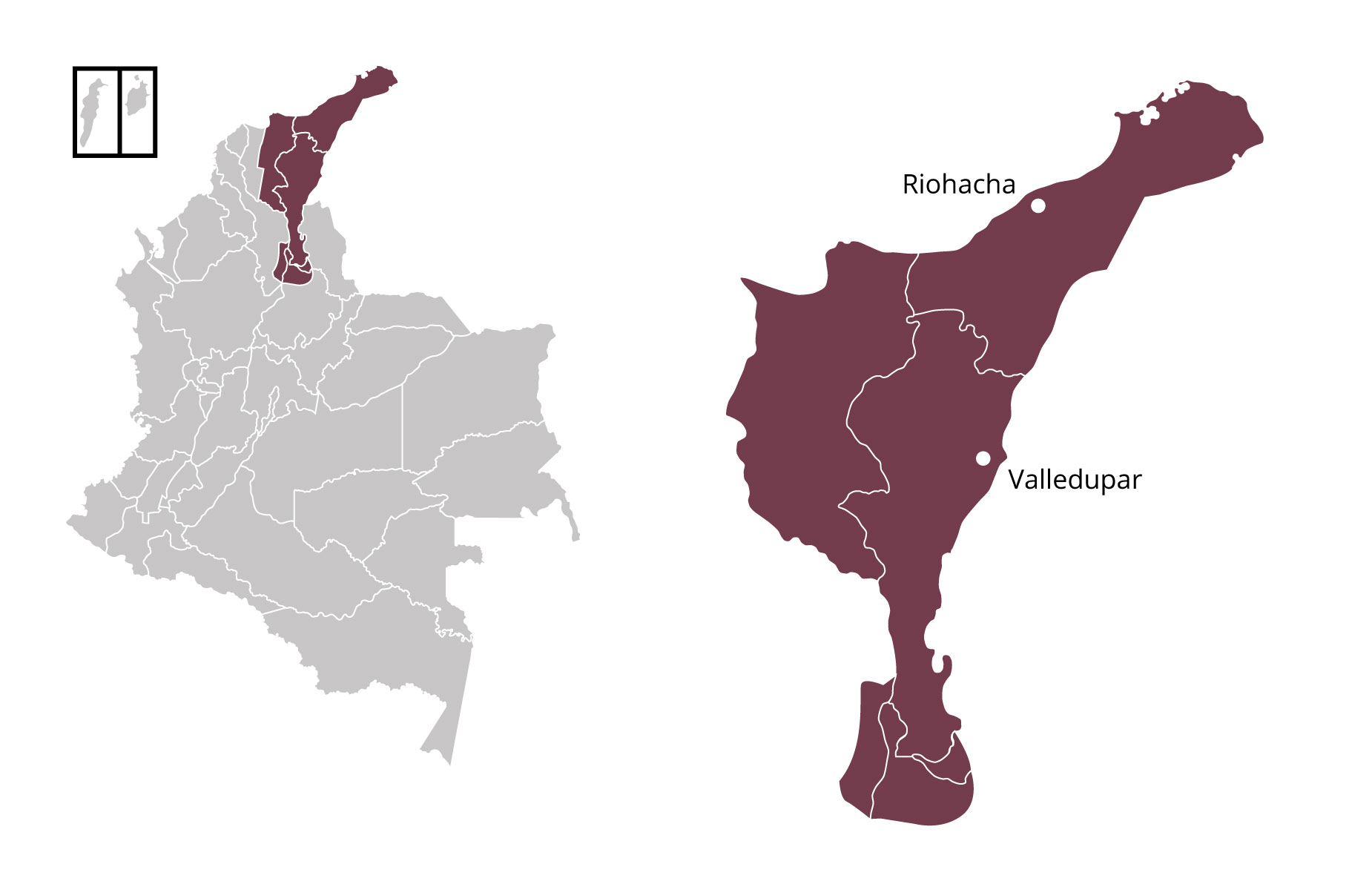
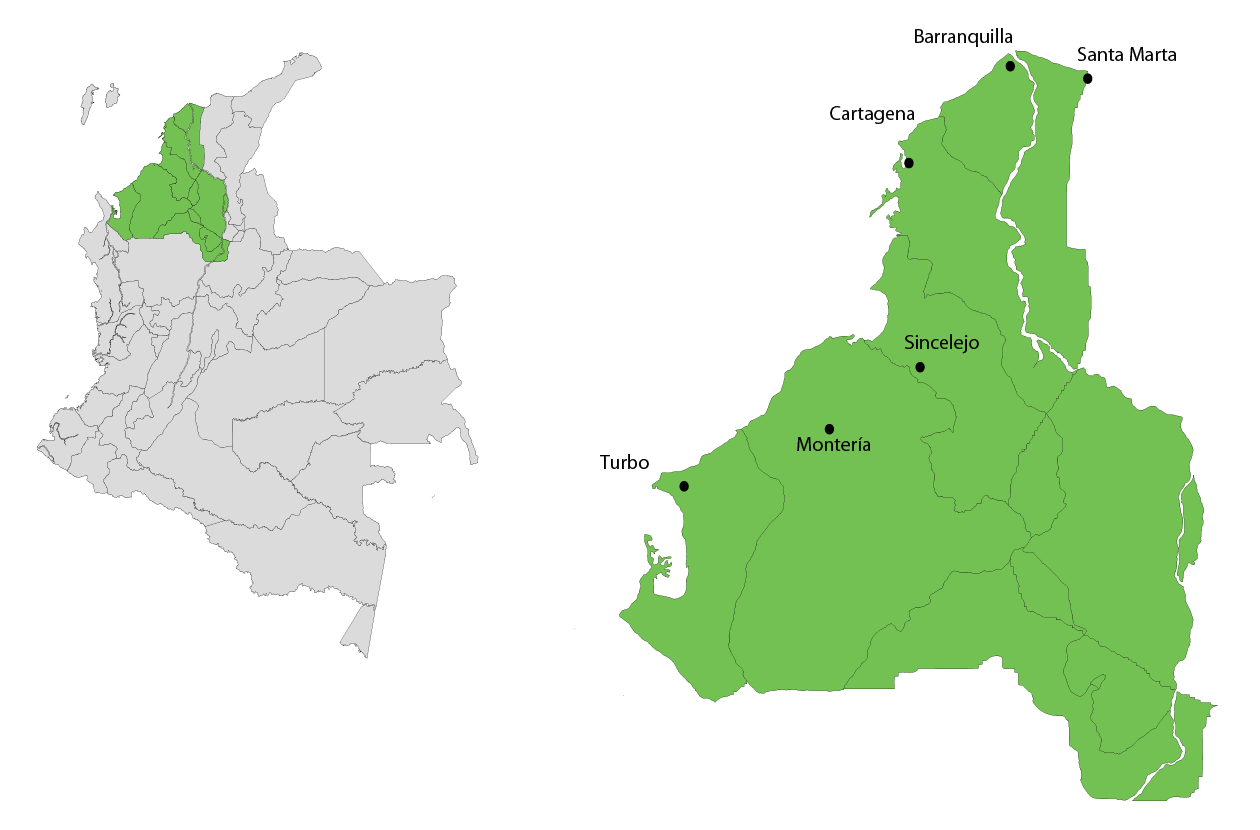
Music from the Caribbean region is a collage of different heritages. Cumbia, the most representative genre, blends African drums (alegre and llamador), indigenous gaitas, and maracones in a distinctive dance rhythm that has evolved for more than four hundred years.
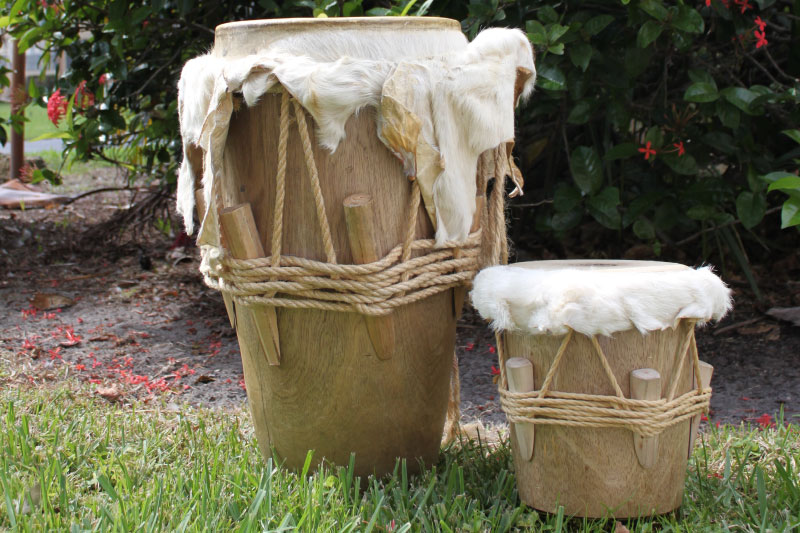
Alegre and Llamador Drums
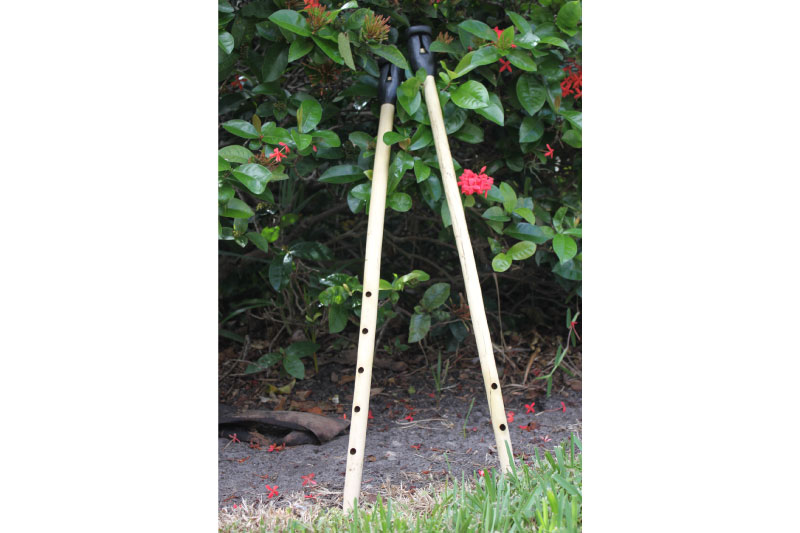
Gaitas
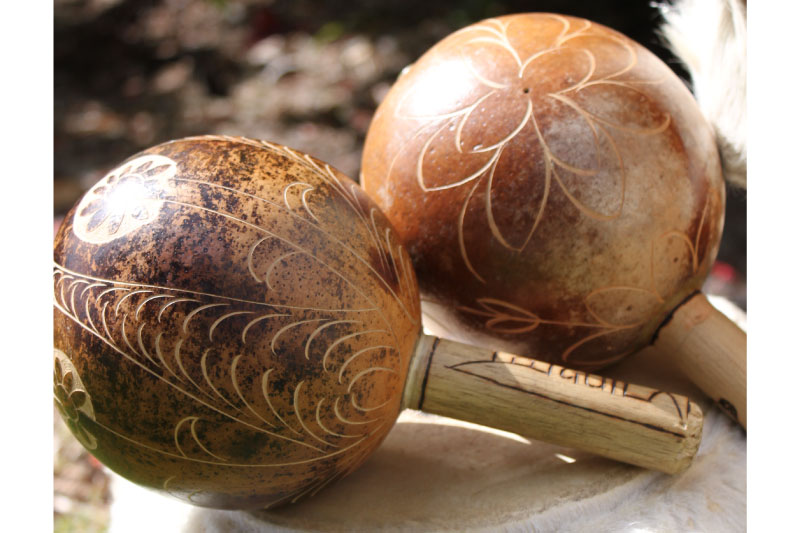
Maracones
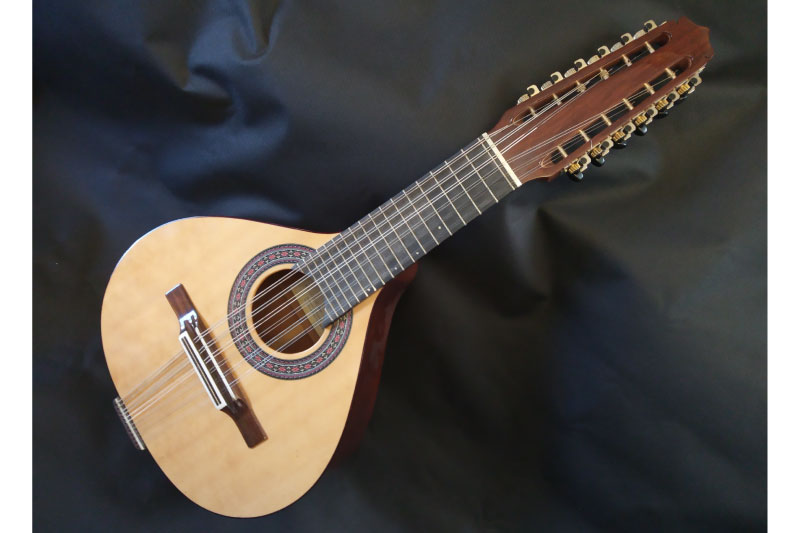
Bandola
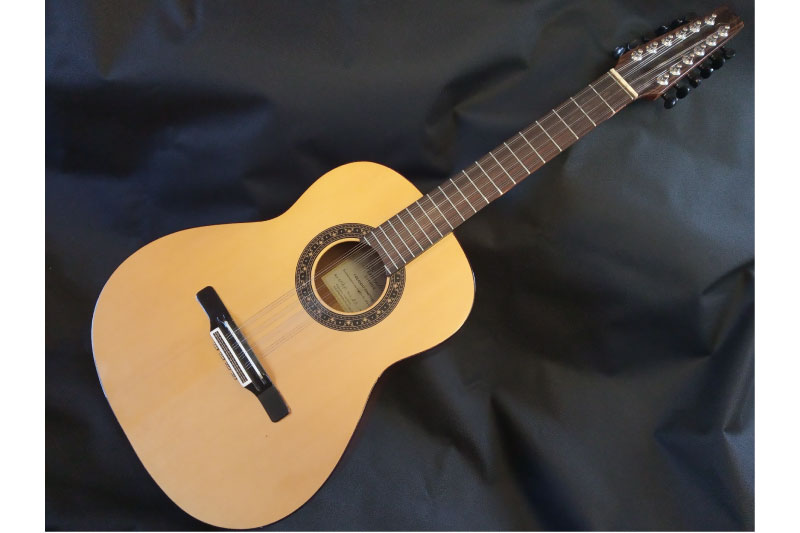
Tiple
Missing Audio: "Los Gaiteros de San Jacinto - Un Fuego de Sangre Pura"
A complex, folkloric rhythm and dance that arose as a courtship dance among the indigenous people of Colombia's Caribbean coast, over time cumbia developed into an amalgamation of Spanish, Native Colombian, and African music due to the long and intense interbreeding between these cultures during the conquest and colonization of the region.
Cumbia spread from the Colombian rural countryside to urban and middle-class audiences during the 1940’s, as mambo, big band, and porro brass band influences were woven together by artists such as clarinetist and band leader Lucho Bermúdez. Traditional instrumentation remained popular during the Golden Age of Cumbia in the 1950s, but other formats—such as the big band—became increasingly common.
Cumbia spread quickly throughout Latin America, adapting to the popular musical contexts of Peru, Argentina, El Salvador, Mexico, Ecuador, Chile, Venezuela, and Panama, among others.
Insular Music
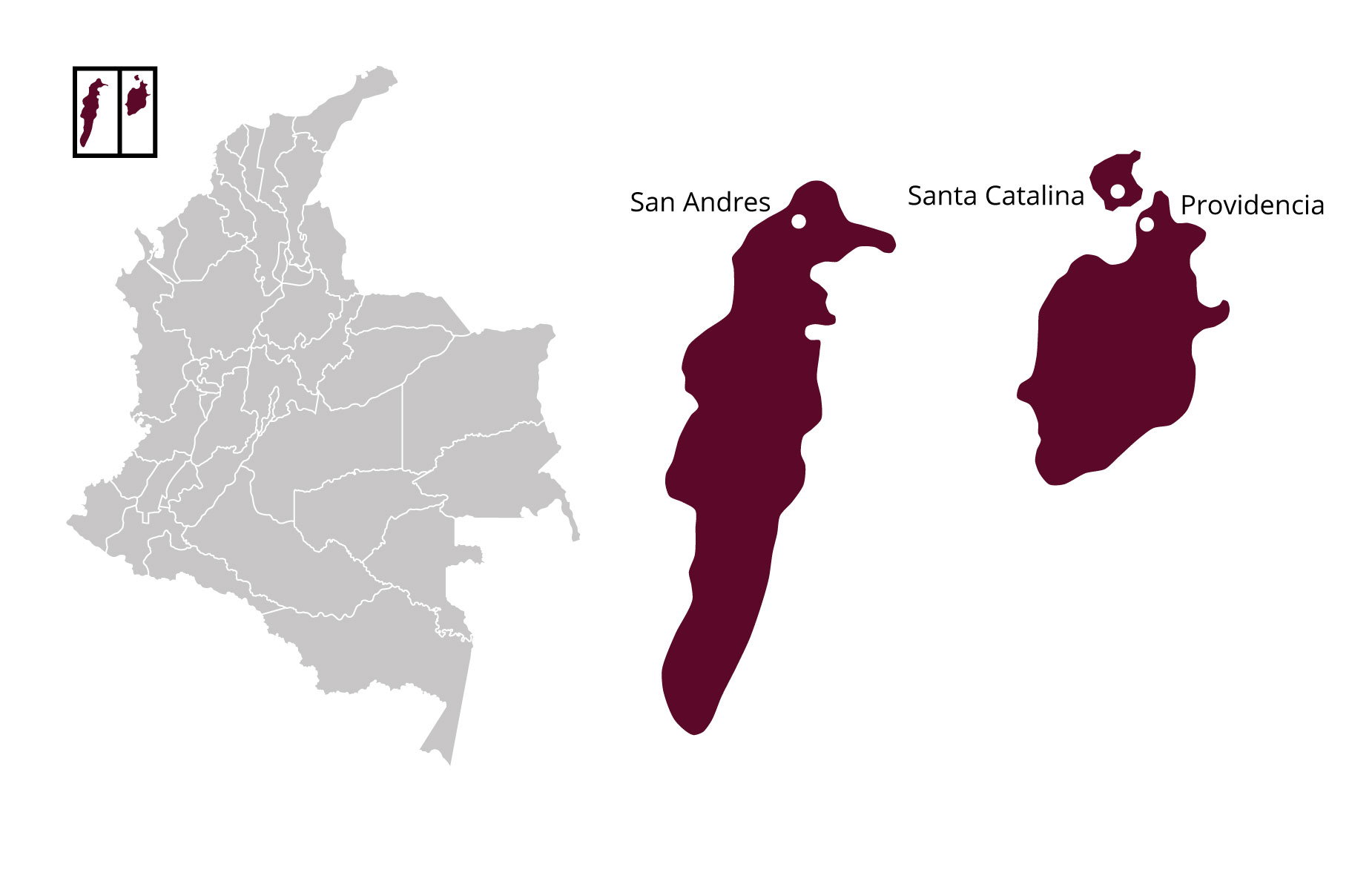
The culture of San Andrés and Providencia is highly influenced by Afro-Caribbean cultures. These islands, originally settled by Jamaican planters and their slaves, became a part of the Nueva Granada (modern Colombia) in 1803. They preserve a distinctive cultural identity, with almost no Spanish cultural influx. Their music, exemplified by the calypso “Stickman,” resembles the different musical genres from the neighboring islands.
Audio Missing: "Aguinaldo Hooker - Stickman (Calypso)"
Music from the Pacific Region
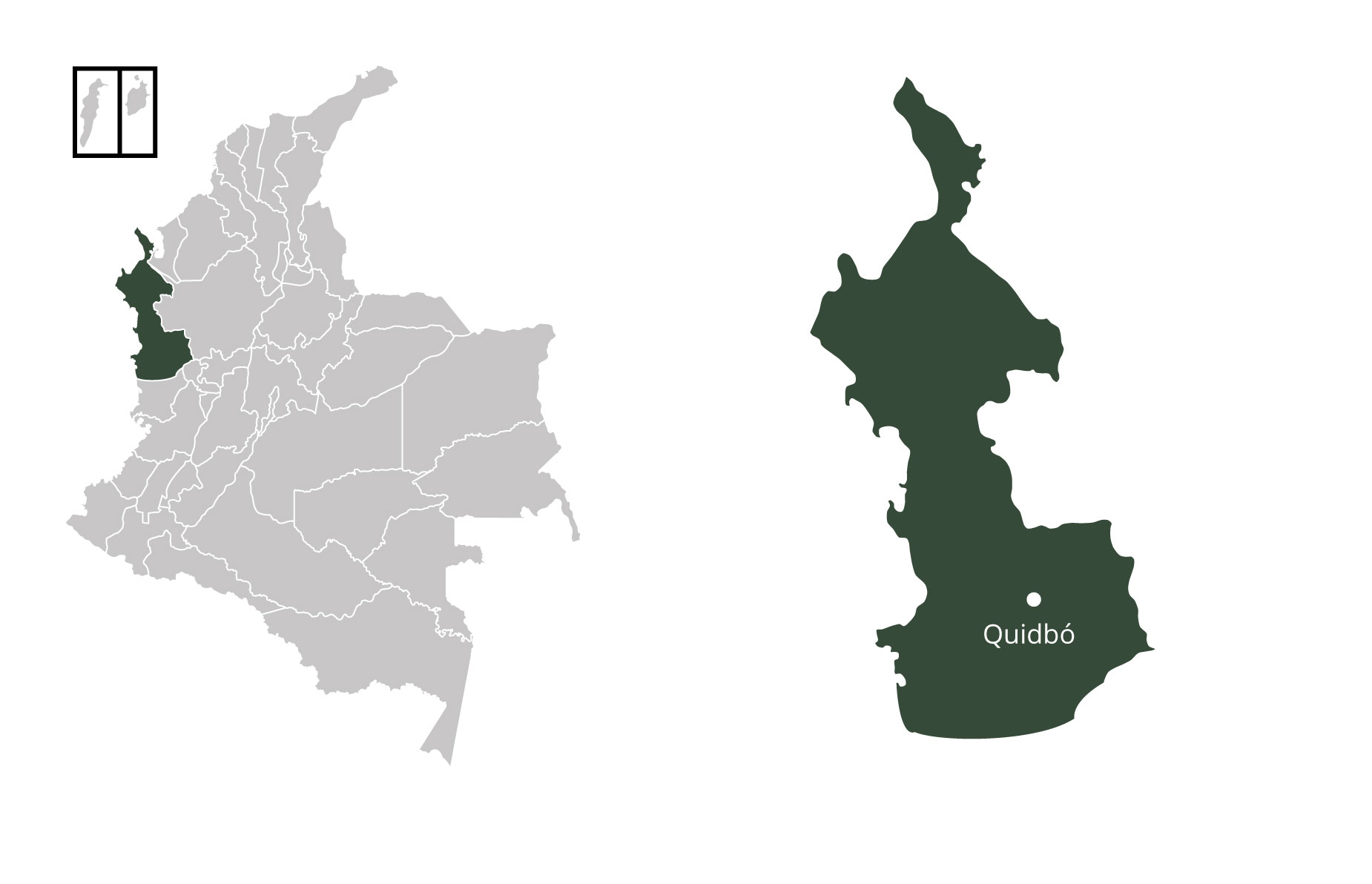
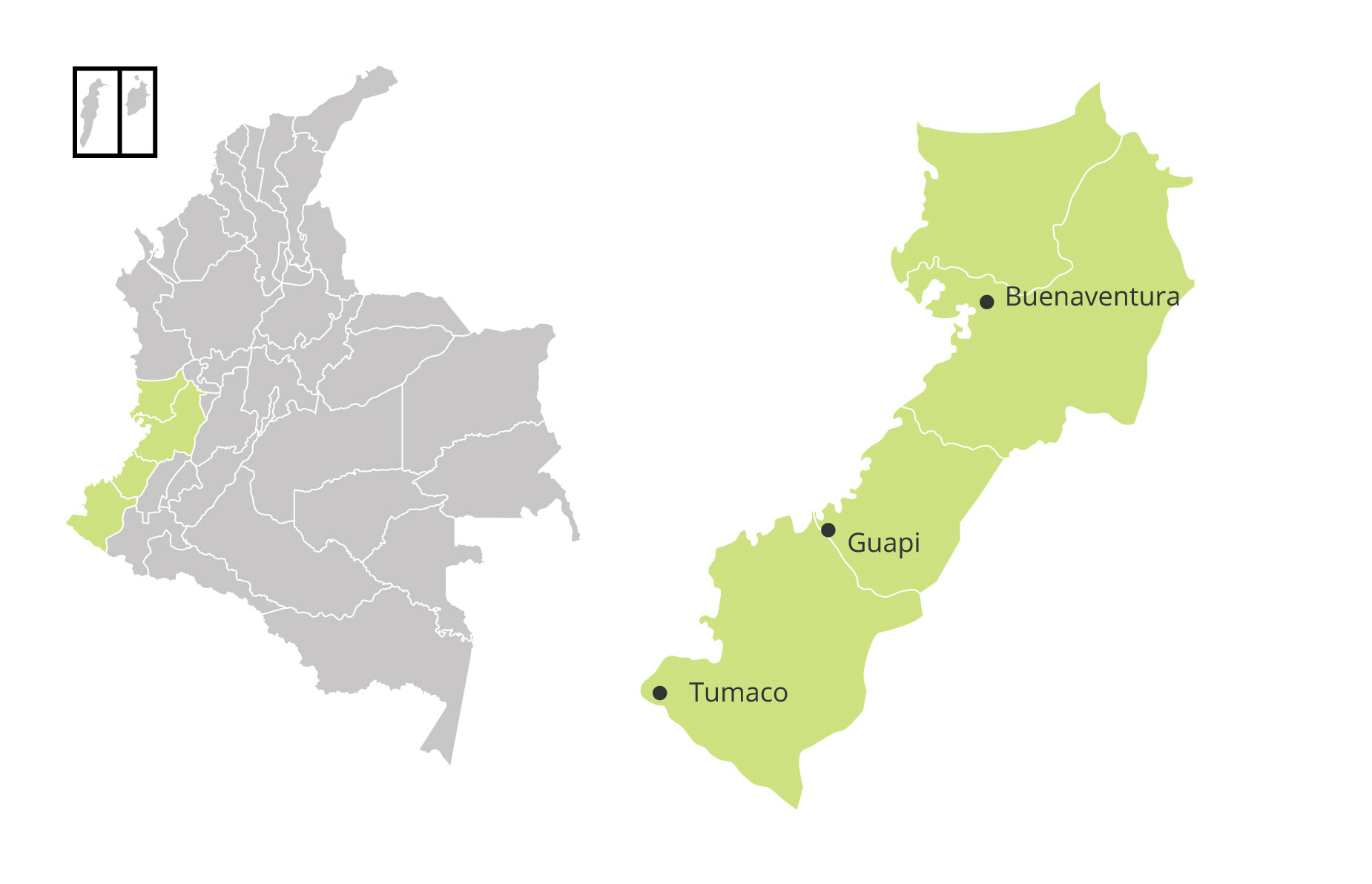
African and European traditions converge in the musical practices of the Colombian Pacific Region. Instrumental and vocal-instrumental practices from the Northern and Southern Pacific contrast with the primarily religious character of a cappella vocal music throughout the region. The typical ensemble from the Northern Pacific is the chirimía, comprised of clarinet in Bb, snare, bombo (also called tambora) and cymbals. Chirimía music encompasses a diversity of instrumental and vocal genres such as the abozao and the bambazú. The Spanish influence is evident in all of them. The traditional ensemble from the Southern Pacific is comprised of marimba de chonta, guasá, cununos, and bombo.
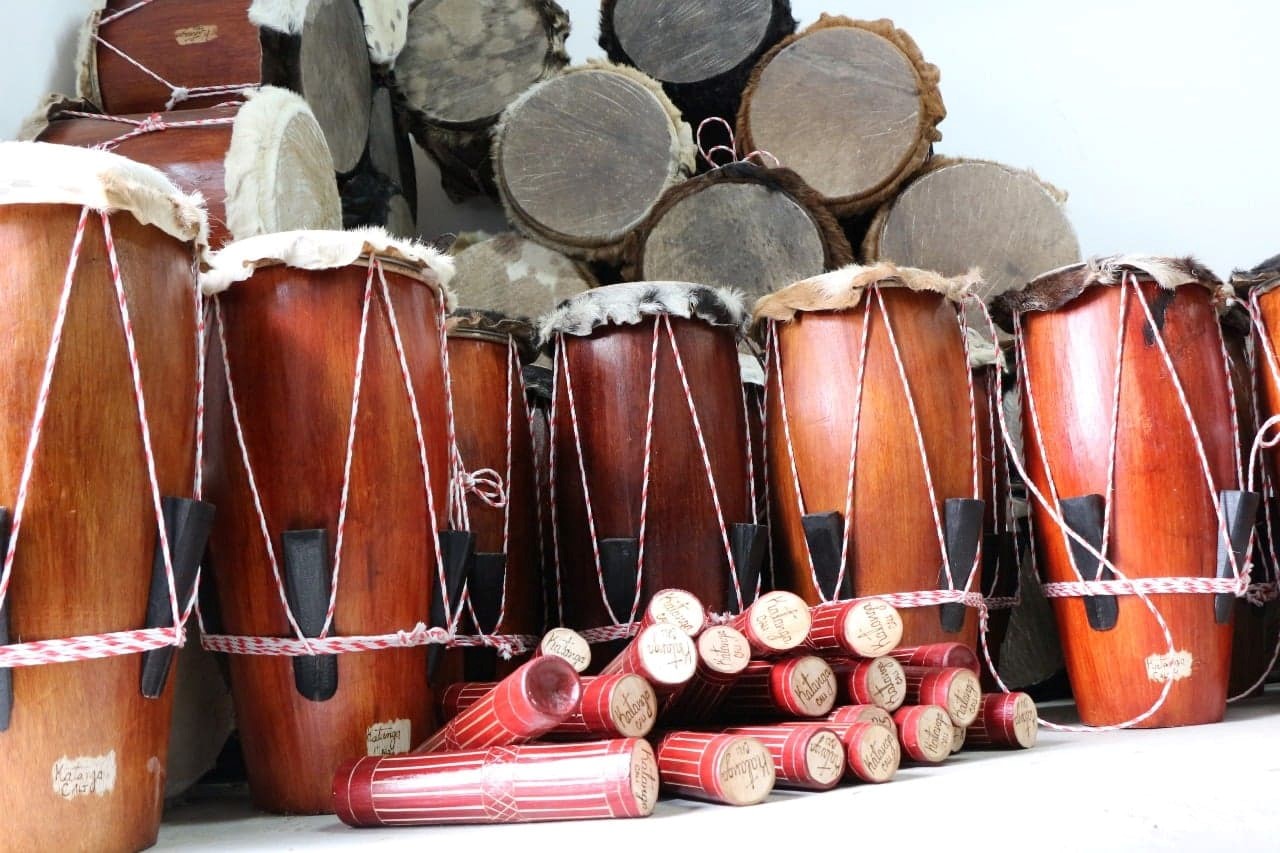
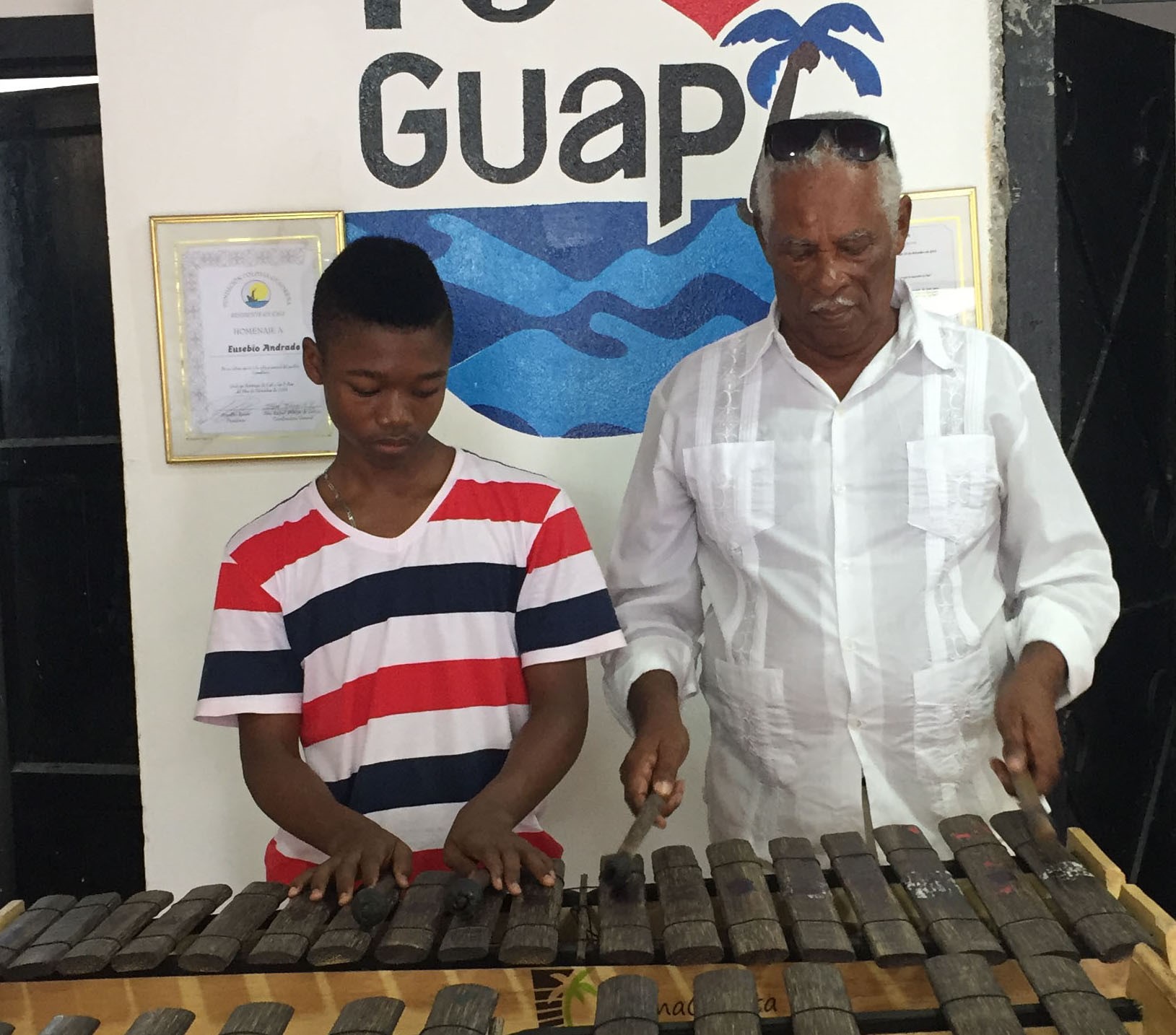
Currulao, the most prominent instrumental and vocal-instrumental genre, features a diversity of variants with slight differences in rhythmic and harmonic patterns. In 2010, Currulao has been added to the UNESCO list of Masterpieces of the Oral and Intangible Heritage of Humanity.
Audio Missing: "Grupo Naidy - ¡Arriba Suena Marimba! Currulao Marimba Music"



