
Learning Objectives
- Analyze selected works of different styles and genres from a broadly representative geographical range to examine how Latin American concert music has been understood in the international musical community.
- Examine the music of select indigenous peoples of South America.
- Analyze the impact by European colonial powers to expunge South American indigenous languages, music, and religious practices.
- Examine the musical impact of African slaves on the music of South America, such as call and response, the use of percussion instruments, and capoeira (an elaborately choreographed martial art), to name a few.
- Identify indigenous composers who were trained by the missionaries, such as the early nineteenth-century composer Manuel Dias de Oliveira (1764-1837), who synthesized European musical styles in music such as the samba, samba-reggae, and bossa nova.
- Examine how Latin American vernacular music, such as the Brazilian bossa nova or the Colombian cumbia, has been used to mark holidays, enliven repetitive or physically demanding work, celebrate national identity, and express other aspects of the human condition.
- Analyze Latin American concert music, the impact of Hollywood on it, and how protest songs, corridos, and operas based on the tumultuous history of Latin America inspired both North and South American composers.
Indigenous, African, and Vernacular Traditions (Continued)
In Chile, Italian opera and flashy, virtuosic instrumental music attracted an upper-class concert-going public during the nineteenth century.
In the early twentieth century, some Chilean composers of concert music began to be inspired by vernacular music while others, such as Domingo Santa Cruz (1899-1987), were influenced by European models.
Another post-independence musical genre was the patriotic song. In Colombia, Juan Antonio de Velasco wrote several between 1810-19. Other nineteenth-century Colombian composers studied abroad: both José María Ponce de León (1846-1882) and later, Guillermo Uribe Holguín (1880-1971), trained in Paris. In 1936, the Colombian National Orchestra was established with Guillermo Espinosa as its first conductor. Espinosa also assumed an important role in international musical relations.
The Pan American Union in Washington D.C., which was part of a broader effort to promote hemispheric unity against the threat of European fascism and communism, sponsored cultural interchange. Among its programs was a concert series known as the Inter-American Music Festivals, which Espinosa directed.
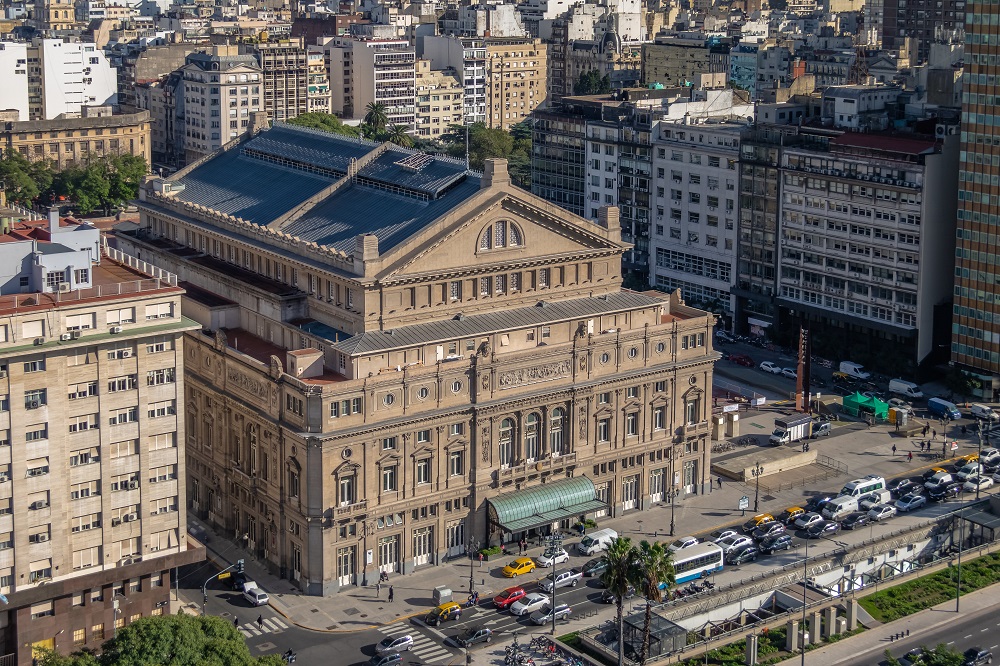
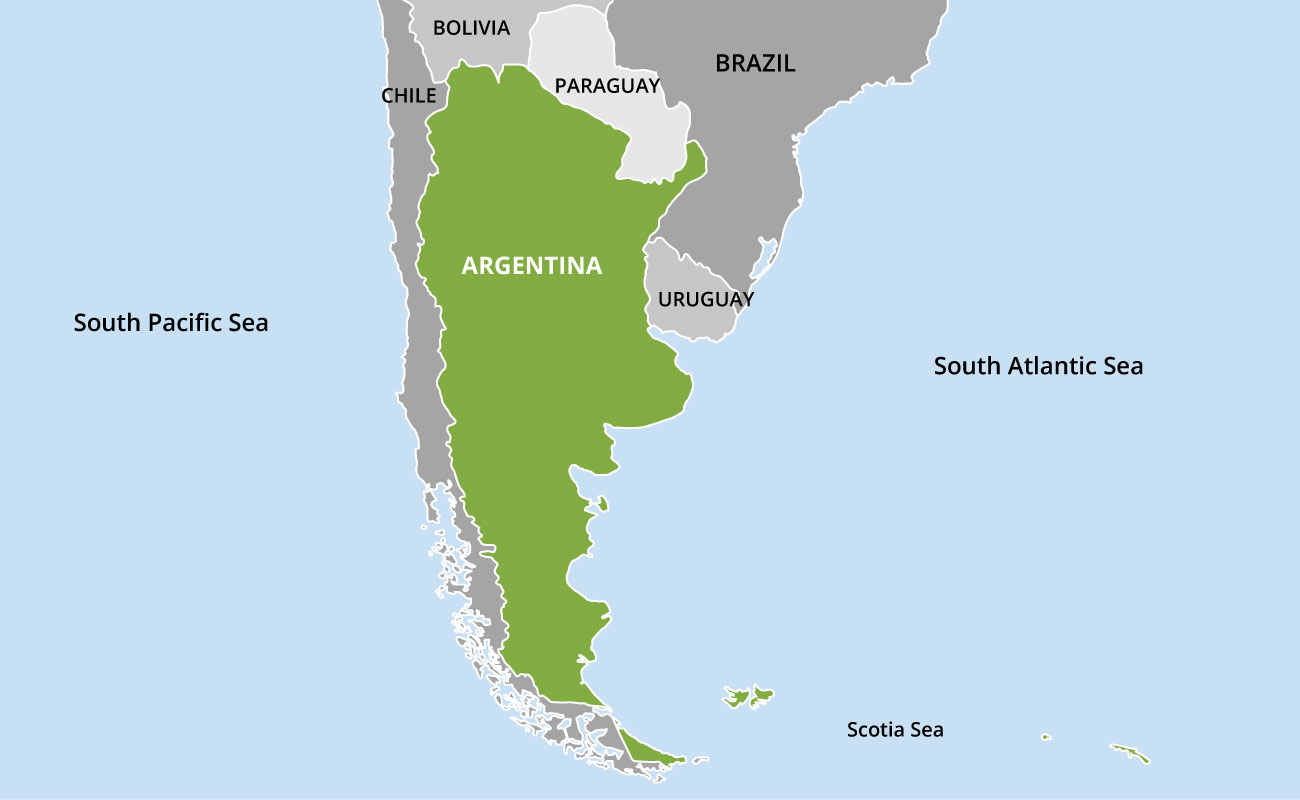
Perhaps the country that felt its European roots most keenly was Argentina. Like the United States, Argentina has attracted many immigrants. The majority of them were from Spain and Italy and they brought with them a variety of musical and cultural practices. During the nineteenth century, Argentine composers wrote mainly Italian-influenced opera and operetta, along with salon music and symphonic works. The completion of the Teatro Colón in Buenos Aires in 1908, an opera house with some of the best acoustics in the world, only enhanced the Argentine capital's reputation as the "Paris of Latin America."
Even in the aftermath of the financial crisis of 2001, the Colón has carried on, sometimes cutting costs by eliminating programs or printing them on coarse paper.
In the early part of the twentieth century, many Argentine composers were motivated by nationalistic feeling. Alberto Williams (1862-1952) wrote a set of piano pieces, Aires de la pampa, that draws on traditional songs of the gaucho, the horseman of the pampas; like the cowboy in the United States, the gaucho is said to be endowed with daring and resourcefulness.Other composers followed suit, including Felipe Boero (1884-1958), who in 1929 composed El matrero (The Cattle Poacher), an opera that adapts gaucho songs and dances.
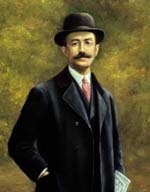
By the 1930s, however, explicitly nationalist music began to fall out of favor as Argentine composers sought a more "universal" perspective. At this time, Argentina also became a haven for Spaniards seeking respite from the Spanish Civil War and its repercussions, among them Julián Bautista (1901-1961) and Manuel de Falla (1876-1946).
Audio Missing :"Manuel de Falla - El pano moruno"
Also attractive to Spanish expatriates was Mexico, especially to composers who had been involved in leftist politics in Spain. These include Rodolfo Halffter (1900-1987), whose piano piece For the Tomb of Lenin openly conveys communist loyalties.
Audio Missing :"Rodolfo Halffter - Obertura Festiva"



