
Learning Objectives
- Classify and analyze country music as something that extends past typical definitions of white, southern music, to something that blends African-American as well as Euro-American and Hispanic-American, rural and urban, the Appalachian Mountains, and the American West.
- Examine the multiple definitions of country music, from a traditional “twangy” mountain repertoire of old world to American folk songs, ballads, and gospel music, event songs, the blues, fiddle tunes, and popular vaudeville and ragtime songs and music.
- Examine the origins of country music, from the 19th century use of fiddles, guitars, banjos, and mandolins in the music of Euro-American (often Irish) and African-American performers to its popularity in the 1920s and 30s, when radio and the first audio recordings developed and Jimmie Rodgers and the Carter Family were discovered by the embryonic music industry.
- Analyze the impact of country music in hillbilly southern culture, as well as its use in western films, honky tonk bars (jazz and western swing), mid-century blue grass, and Nashville.
- Analyze what to listen for in country music, including rhythm, form, harmony, timbre, and texture.
- Examine country counter-culture, through analyses of pop singers like Ann Murray, John Denver, and Olivia Newton-John, rockers such as Gram Parsons, Bob Dylan, Neil Young, Emmylou Harris, and Linda Ronstadt, the Byrds, The Band, Willie Nelson, Waylon Jennings, Merle Haggard, and Buck Owens.
- Examine the rise of country in the 1990s when it became America´s most popular music, according to a National Endowment for the Arts survey.
Introduction
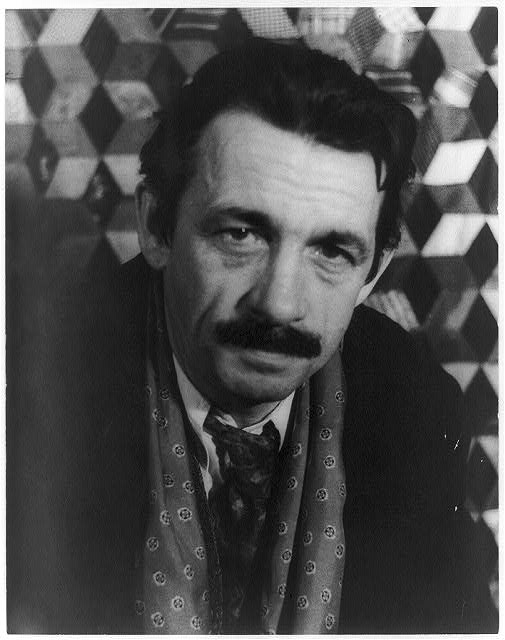
Like other American popular musics, country represents our diverse American culture in complex ways. Though often considered a white, southern music, country music actually has tangled roots in many American subcultures and regions, including African-American as well as Euro-American and Hispanic-American, rural and urban, the Appalachian Mountains and the American West. The Thomas Hart Benton (1889 – 1975) painting, The Sources of Country Music, with its images of diverse musicians and places, helps illustrate this point. In this chapter, we will define country music, discover its roots, listen to a few representative songs for cultural connections and musical styles, and develop a deeper understanding of why country music is so popular.
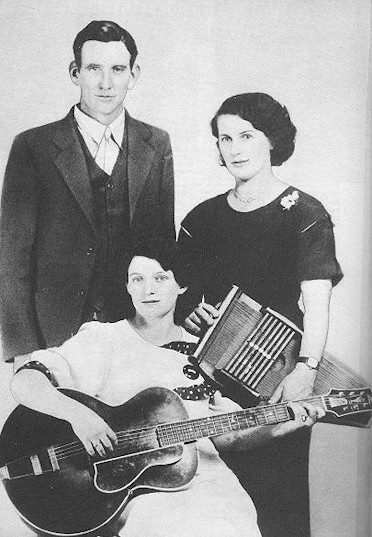
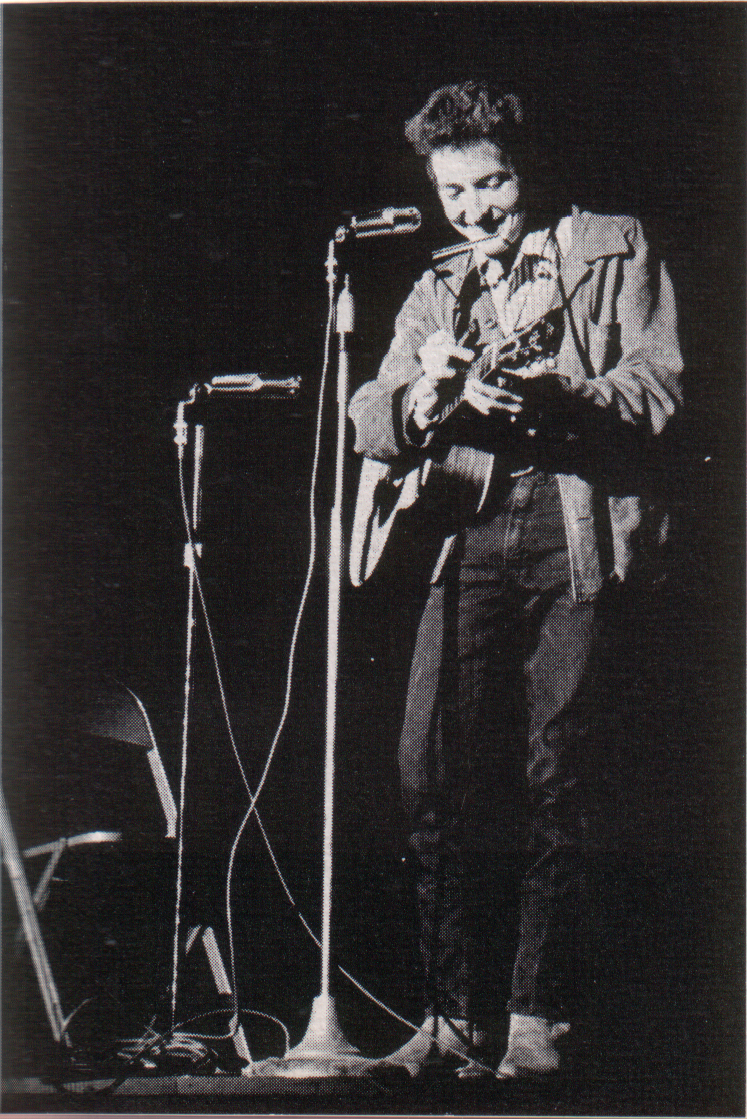
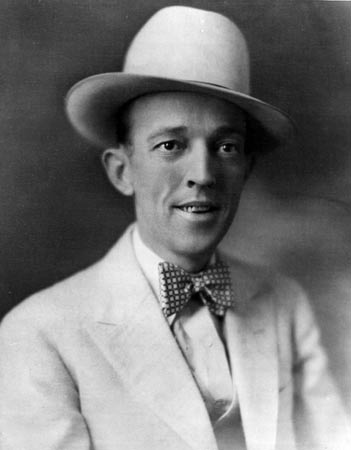
Defining country music is complicated. Country has so many flavors and varieties, so many styles and stars. Traditional country takes us back to the Carter Family and their twangy mountain repertoire of old world and American folk songs, ballads, and gospel music. Country blues reminds us of Jimmie Rodgers, his blue yodels, and the African-American and minstrel show performers who influenced and taught him.
Western swing gives us the dance music of Bob Wills with roots in the jazz age of the 1930s. Bluegrass lights up audiences with Bill Monroe´s and Flatt and Scruggs´ virtuoso mandolin, fiddle, and banjo tunes. Rockabilly country gives us Johnny Cash and Jerry Lee Lewis. The smooth Nashville sound of Chet Atkins reminds us of the glory days of Patsy Cline, Jim Reeves, and others from the 50s, 60s, and 70s. Country rock brings us the Byrds, the Band, Gram Parsons, and Bob Dylan. Hard country twang reminds us of Loretta Lynn, The Louvin Brothers, and George Jones. Honky-tonk music gives us Hank Williams and Buck Owens. Outlaw country includes Willie Nelson and Waylon Jennings. Pop country provides Carrie Underwood, Sarah Evans, and Keith Urban while hot country takes us to stadium concerts with Garth Brooks, Brad Paisley, or Shania Twain, and alt-country and Americana music rock us with Uncle Tupelo, The Dixie Chicks, Emmylou Harris, and The Drive-By Truckers.
What we call country music today has had many labels in the past 100 years. Just three decades ago it was still known by most people as country-western. This brand was born in the 1930s and 40s when the southwestern, Hispanic-influenced music of popular western films featured singing cowboys like Roy Rogers and Gene Autry. It connected with the earlier country music of the 1920s and 30s made famous by the first country superstars, Jimmie Rodgers, who performed moderately twangy blues songs in honky tonks, and the hardcore twang Carter Family, who represented the Appalachian mountain sounds of British ballads and string music. But country music's roots extend back much further.



Kitty Wells became the first female to hit No.1 on the Billboard chart opening doors for future female artists.
