
Learning Objectives
- Classify and analyze country music as something that extends past typical definitions of white, southern music, to something that blends African-American as well as Euro-American and Hispanic-American, rural and urban, the Appalachian Mountains, and the American West.
- Examine the multiple definitions of country music, from a traditional “twangy” mountain repertoire of old world to American folk songs, ballads, and gospel music, event songs, the blues, fiddle tunes, and popular vaudeville and ragtime songs and music.
- Examine the origins of country music, from the 19th century use of fiddles, guitars, banjos, and mandolins in the music of Euro-American (often Irish) and African-American performers to its popularity in the 1920s and 30s, when radio and the first audio recordings developed and Jimmie Rodgers and the Carter Family were discovered by the embryonic music industry.
- Analyze the impact of country music in hillbilly southern culture, as well as its use in western films, honky tonk bars (jazz and western swing), mid-century blue grass, and Nashville.
- Analyze what to listen for in country music, including rhythm, form, harmony, timbre, and texture.
- Examine country counter-culture, through analyses of pop singers like Ann Murray, John Denver, and Olivia Newton-John, rockers such as Gram Parsons, Bob Dylan, Neil Young, Emmylou Harris, and Linda Ronstadt, the Byrds, The Band, Willie Nelson, Waylon Jennings, Merle Haggard, and Buck Owens.
- Examine the rise of country in the 1990s when it became America´s most popular music, according to a National Endowment for the Arts survey.
The 19th Century Crucible
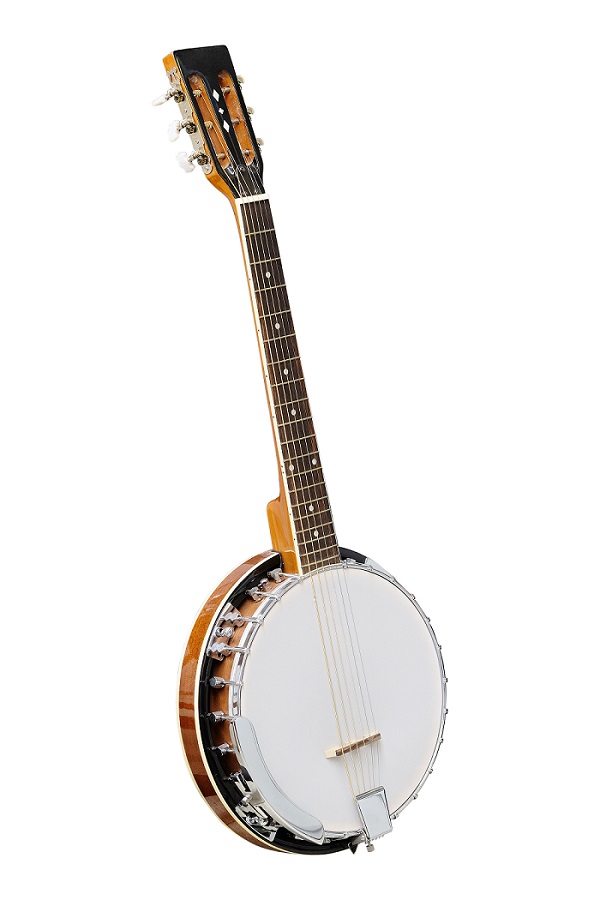
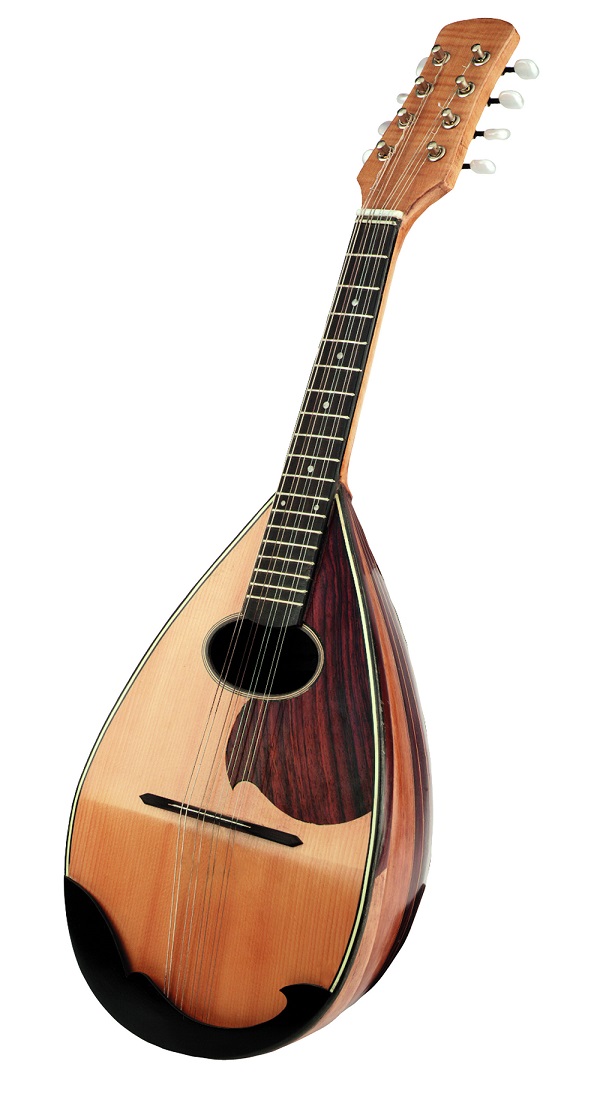
Though routinely considered a white music, 1920s rural southerners, both black and white, performed similar musical styles, such as folk ballads, gospel songs, event songs, the blues, fiddle tunes, and popular vaudeville and ragtime songs and music. But rather than sing in the polished, learned style of the theater or the middle-class salon, they performed in a folksy nasal singing style often accompanied by string instruments like fiddles, guitars, banjos, and mandolins; think of the Soggy Mountain Boys in the film O Brother Where Art Thou.In the 19th century, Euro-American (often Irish) and African-American performers often "blacked up," or performed in blackface, to entertain audiences in minstrel shows.
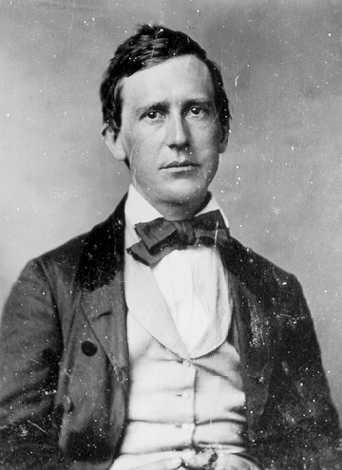
These highly popular shows included slapstick humor, "plantation (twangy) dialects," fiddle music, banjo picking (the banjo is an instrument derived from Africa), ballads, comedic stories, and songs like "Oh! Susanna" by Stephen Foster, which we also heard in the prior chapter. Imagine Saturday Night Live in blackface with a bluegrass band, and you have a good sense of a minstrel show. Stir into this 19th century musical stew some traditional ballads of death and regret from the British Isles for a touch of tragedy, collections of Sunday morning hymns and gospel songs for harmonizing and worship, Saturday night fiddle tunes for dancing and carousing, and we have the multicultural beginnings of country music.
From these 19th century musics came the 20th century urban entertainments of vaudeville, ragtime, and burlesque shows, but they also led to rural traveling medicine shows, honky-tonk blues performances, and other rustic entertainments found in the rural South.
♫  Oh! Susanna
Stephen Foster
As the musicians in these shows traveled from Texas to the Carolinas, sharing songs and styles, they developed a pre-country Southern musical culture that crossed the ever-present color lines.



Kitty Wells became the first female to hit No.1 on the Billboard chart opening doors for future female artists.
