
Learning Objectives
- Classify and analyze country music as something that extends past typical definitions of white, southern music, to something that blends African-American as well as Euro-American and Hispanic-American, rural and urban, the Appalachian Mountains, and the American West.
- Examine the multiple definitions of country music, from a traditional “twangy” mountain repertoire of old world to American folk songs, ballads, and gospel music, event songs, the blues, fiddle tunes, and popular vaudeville and ragtime songs and music.
- Examine the origins of country music, from the 19th century use of fiddles, guitars, banjos, and mandolins in the music of Euro-American (often Irish) and African-American performers to its popularity in the 1920s and 30s, when radio and the first audio recordings developed and Jimmie Rodgers and the Carter Family were discovered by the embryonic music industry.
- Analyze the impact of country music in hillbilly southern culture, as well as its use in western films, honky tonk bars (jazz and western swing), mid-century blue grass, and Nashville.
- Analyze what to listen for in country music, including rhythm, form, harmony, timbre, and texture.
- Examine country counter-culture, through analyses of pop singers like Ann Murray, John Denver, and Olivia Newton-John, rockers such as Gram Parsons, Bob Dylan, Neil Young, Emmylou Harris, and Linda Ronstadt, the Byrds, The Band, Willie Nelson, Waylon Jennings, Merle Haggard, and Buck Owens.
- Examine the rise of country in the 1990s when it became America´s most popular music, according to a National Endowment for the Arts survey.
Hot Country

In the 1990s, country music became America's most popular music, according to a National Endowment for the Arts survey, and extended itself even stronger into the 21st century. Garth Brooks dominated concert tours in the 1990s and into the early 2000s, including live performances for a million people in New York City's Central Park; Shania Twain's popularity extends around the world so she created a CD with two discs of the same songs; one for American audiences and one with rhythms for the world beat crowd; the 2006 -07 concert tour of husband and wife performers Faith Hill and Tim McGraw sold out night after night earning them millions of dollars.
But country singers have been at the top of the charts for years, an unknown fact until Wal-Mart started counting actual sales of music by Soundscan computer codes in the late 1980s. CMT, the Country Music Channel, and GAC, Great American Country, are the default cable TV channels for millions of rural, suburban and urban Americans who often watch for trends in fashion and celebrity. Millions of people watch country music award shows every year, and an American Idol winner, Carrie Underwood, with hardly a twang, moved from that popular contest to having a number one song on the country charts and to being selected Best New Country Artist as well as Best Female Artist in 2006. Country music is one of the most popular genres in America.
What About the Twang?
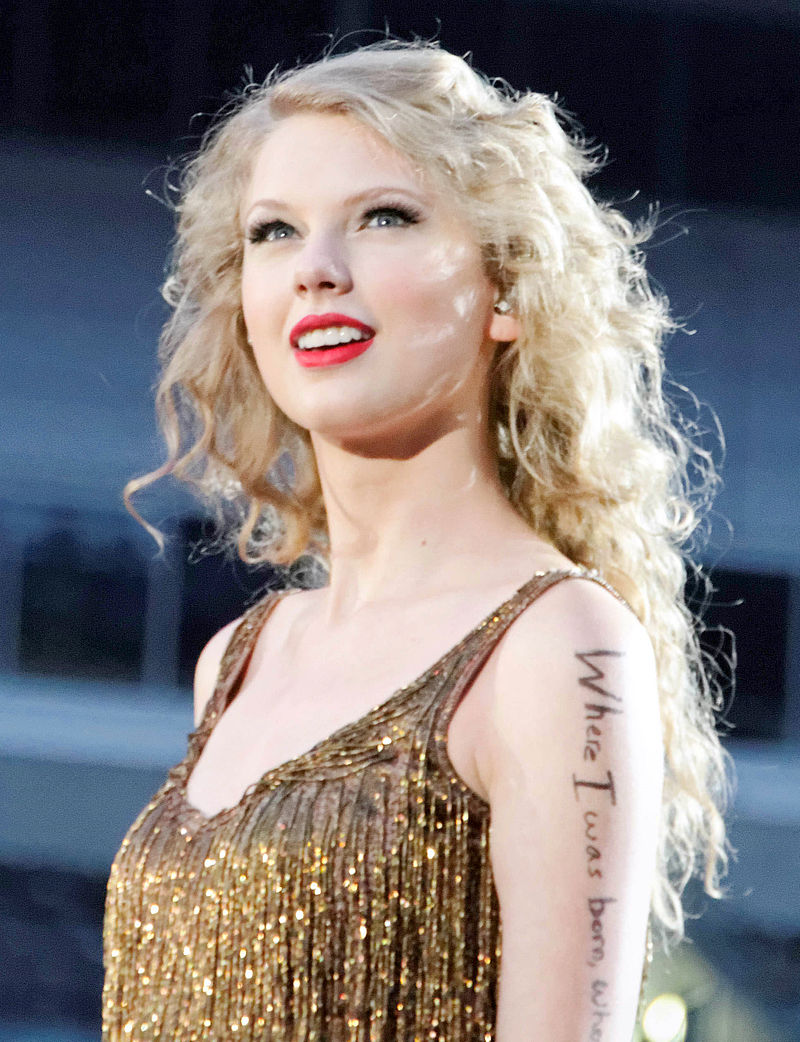
In 2007, Nashville hot country performers like Keith Urban and Taylor Swift dominated the often suburban, female-oriented country media airwaves, but it was the string-driven, fiddle-, mandolin-, banjo-, and guitar-playing Dixie Chicks from Texas, shunned by the Nashville country establishment for their political statements, who won five Grammy Awards with music from their controversial 2006 album, Taking the Long Way. Like the outlaws of the 70s before them, they thumbed their noses at establishment pretense, including Nashville. They sang of everyday life and living, good times and bad, but also of politics and social issues, and with pop-rock sounds and production techniques as well as the expected string-playing and West Texas twang.
♫  Wide Open Spaces
Dixie Chicks
Conclusion
In the 21st century, America's twang ranged from softshell to hardcore, from mainstream to counterculture, representing in often controversial and contradictory ways the current complex and tangled American culture, just as country music founders Jimmie Rogers and the Carter Family represented their complicated American culture in the 1920s and 30s. E pluribus Unum may be the American motto engraved on our coins, but the noisy sounds of twang heard in American country music reminds us that American culture sings in many tangled voices.



