Overview
Objectives
- Examine Elvis Presley's music and his particular blend of many different styles and genres.
- Identify the key figures and institutions that helped turn Presley into the cultural phenomenon that he became during the 1950s
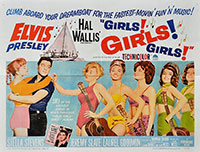
- Examine ways in which Presley was turned into a commodity through television appearances and Hollywood films
Presley After the 1950s
In 1958, Presley was drafted into the United States Army, and when he returned to recording in 1960, his career was never the same. When he entered the Army, he wanted to serve in the special entertainment division, but Colonel Parker convinced him to serve in the everyday army, going in as a private. In March of 1958, Presley began a two-year tour of army duty in Germany. RCA had a significant number of unreleased Presley recordings, which they then released at regular intervals during Presley’s absence.
Four compilation albums also maintained Presley’s commercial success during his stint in the Army. Less than a month after his honorable discharge, Presley returned to the RCA studios to record the album Elvis is Back!
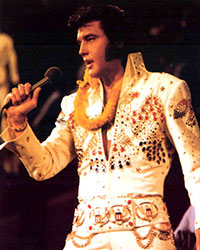
Struggles with Colonel Parker, the death of his mother, a grueling filmmaking schedule, a growing dependence on amphetamines and prescription drugs, and a long courtship with, marriage to, and eventual divorce from Priscilla Beaulieu all complicated his life. He continued to record for RCA until his death. During the late 1960s and 1970s, he appeared in several concert films, television specials, and documentary films. Later recordings of gospel shows show a spiritual side of Presley and suggest the camp meetings and revivals of his youth. He never returned to the same sex symbol status that he had held in the 1950s, although he continued to release number 1 records until his death in 1977. To this day, he is the best-selling recording artist of all time.