
Overview
Objectives
- Examine the relationship between music and the American civil rights movement during the 1960s
- Identify characteristics of Brown’s musical style from this period
- Identify some of the defining features and characteristics of funk music
- Recall the significance of Sly and the Family Stone in the development of funk music
- Examine the role George Clinton played in funk music during the 1970s with P-funk genre
- Examine how popular media such as Blaxploitation films and television programs helped promote African American music and musicians
Conclusion
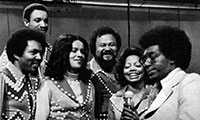
During the late 1960s, funk became the music of choice for many African Americans. Marked by percussive bass lines, group singing, and messages of solidarity, funk spoke to many people as the 1960s gave way to the 1970s. Sly and the Family Stone were an integrated band that included both female members, and their songs were closely related to the messages of the countercultural movement.
George Clinton and his bands Parliament, Funkadelic, and Parliament-Funkadelic promoted messages of black unity and separatism, encouraging listeners to "bring back the funk" that they had somehow lost. Finally, African American music and musicians received more and more mainstream as the Blaxploitation film genre emerged and as television shows such as Soul Train became popular.

“Soul lyrics, soul music came at about the same time as the civil rights movement, and it's very possible that one influenced the other.”

“Soul was the music made by and for black people. For most of the Sixties it was thoroughly divorced from white popular music, but by the end of the decade several artists with their roots firmly in both soul and R&B traditions had crossed over.”

"In the '60s and '70s, [James Brown] regularly topped the R&B charts, and although he never had a #1 Pop hit, he charted 96 songs on the Hot 100, second only to Elvis."
