
Overview
Objectives
- Describe how artists like the Rolling Stones have maintained a commercial and touring presence for over 50 years
- Explain how Ian Anderson has collaborated with classical musicians to create new interpretations of the music of Jethro Tull
- Consider how musicals like Hedwig and the Angry Inch and Rent address contemporary issues using rock music
- Define “jukebox musical” and provide several examples
- Recall the concept of a “supergroup” and provide examples of this type of ensemble in the 21st-century
Conclusion
Most of the artists and bands discussed here have already been introduced in previous lessons. They continue to innovate, record, and tour into the 21st century. There are many ways that well-established artists have remained relevant for decades. Even though they were born in the 1940s, performers such as Ian Anderson and the Rolling Stones continue to tour and release albums. Rock musicals have offered another way for rock music to reach audiences, sometimes in new musicals written with a rock style, and sometimes with jukebox musicals created using existing catalogues of a given artist or style. Finally, as group memberships have changed and developed, musicians with seemingly disparate musical backgrounds and styles have created supergroups.
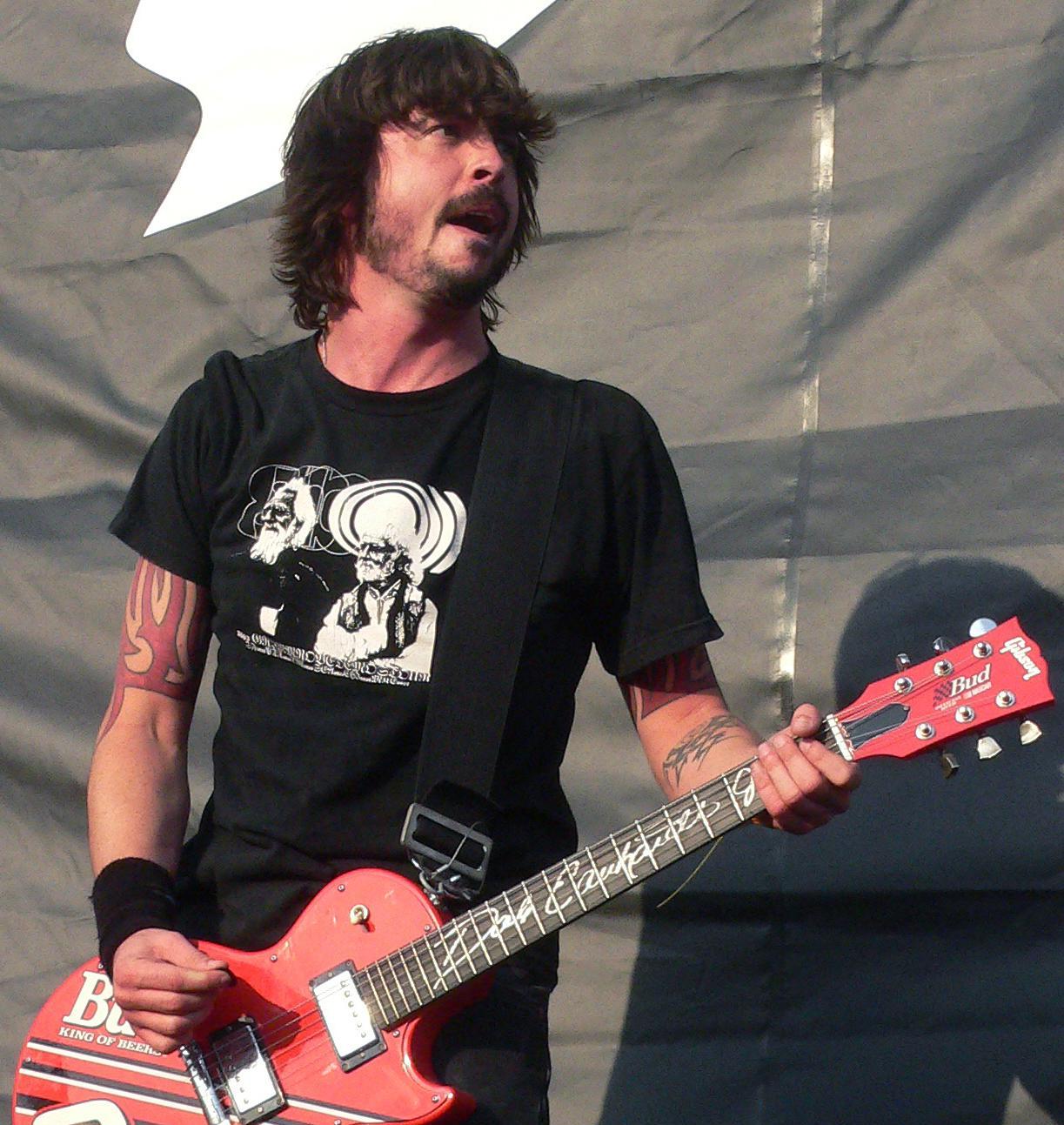
While bands like Heaven & Hell consist of former members of Black Sabbath, supergroups can at times be more eclectic, as exemplified by alternative rock artist Dave Grohl’s work with metal musicians in his project Probot.

"We don't to be some kind of rock supergroup for the sake of being a supergroup. You want to change things and say something fresh and new so you appeal to people as a new group."

"I think as far as themes, 'Hedwig' is about what music meant to you as a kid and how rock n' roll can save you; that is definitely part of it."

"The dialogue [for American Idiot came from diary entries and other Armstrong statements in a booklet with the deluxe version of the American Idiot CD."
