
Overview:
Curriculum helps an effective teacher plan the educational process or procedure by outlining a sequential and continuous chain of lessons and activities to achieve specific educational goals. The curriculum should be relevant to the needs of the students and functional within the educational system. Music educators who don’t plan do not provide themselves with sufficient time for self- reflection and creative thinking. To paraphrase Winston Churchill – if you fail to plan, you are planning to fail.
Objectives:
Students will be able to:
- Describe the foundations for curriculum development,
- Define the elements of an effective curriculum,
- Identify and describe age- and grade-appropriate behaviors for elementary school music students,
- Identify the auxiliary components (media, materials, texts) that assist in implementing a music curriculum,
- Examine theories for how children learn
- Begin to identify instructional strategies and classroom behaviors for younger students.
How are Goals and Objectives Identified?
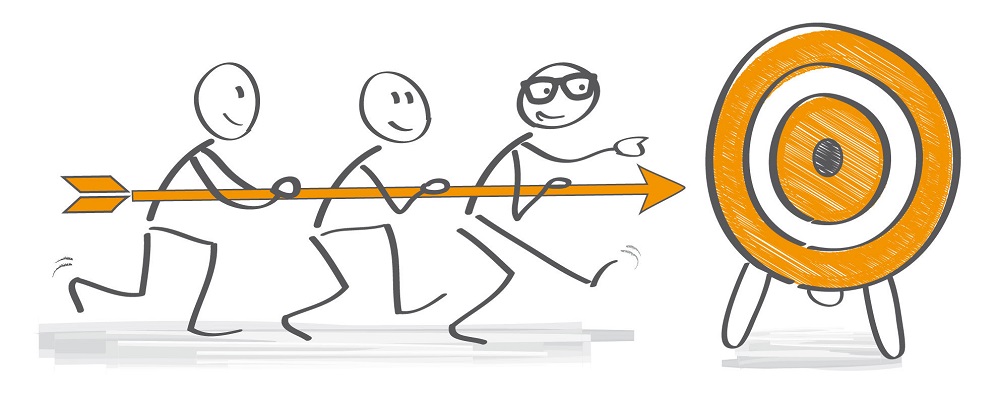
Instructional preparation requires the formulation of goals and objectives. Goals are broad, general, and concise statements indicating long-term outcomes. Long-term goals articulate the selection of learning activities and musical subject matter. Usually, state and national standards address the goals for music instruction, which can apply to all grades. Goals are generally few in number and reflect the philosophical basis or the teaching model for the curriculum and program.
Objectives are short-term goals and are more specific statements of what the students will learn. Objectives specify a direction for the teacher, indicating a desired musical growth over a given time and should be measurable. Unlike long-term goals, they are explicit expressions of what the student at a particular level will be able to accomplish. Short-term goals or objectives are small steps taken toward the long-term goals.
| Long-term goal | Students will demonstrate an understanding of rhythmic patterns |
|---|---|
| Short-term goals | Students will identify different rhythmic patterns by selecting the appropriate symbol/label Students will clap and say different rhythmic patterns Students will read and play rhythmic patterns with 90% accuracy |
Objectives relate directly to the long-term goals and make long-term goals operational. Because of this, they are expressed in behavioral terms. Simply put, the objectives specify how a learner will demonstrate an observable behavior, assuring measurability. Action verbs, such as sing, move, and play, help create objectives.
The curriculum design needs to include clear goals for all students. Students are more likely to work with more focus if they understand the purpose and the objectives for the activity or lessons.