Overview:
Curriculum helps an effective teacher plan the educational process or procedure by outlining a sequential and continuous chain of lessons and activities to achieve specific educational goals. The curriculum should be relevant to the needs of the students and functional within the educational system. Music educators who don’t plan do not provide themselves with sufficient time for self- reflection and creative thinking. To paraphrase Winston Churchill – if you fail to plan, you are planning to fail.
Objectives:
Students will be able to:
- Describe the foundations for curriculum development,
- Define the elements of an effective curriculum,
- Identify and describe age- and grade-appropriate behaviors for elementary school music students,
- Identify the auxiliary components (media, materials, texts) that assist in implementing a music curriculum,
- Examine theories for how children learn
- Begin to identify instructional strategies and classroom behaviors for younger students.
What are Age- and Grade-Appropriate Behaviors?
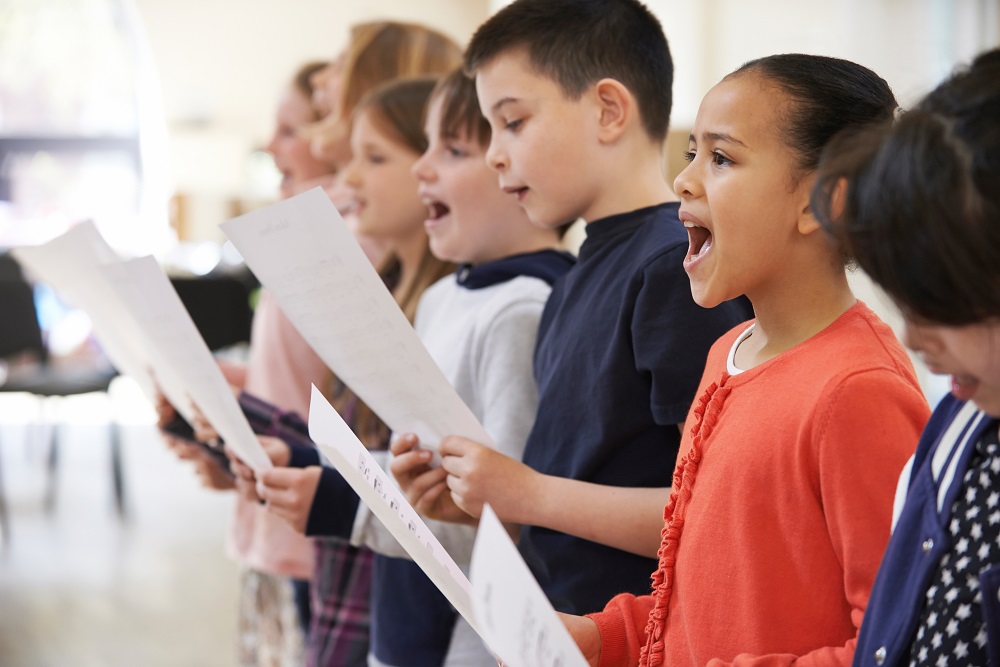
Several factors help identify age- and grade-appropriate behaviors. The physical development of the students is one of these factors. The classroom teacher can easily observe students' physical growth. One example is the students' vocal development and ability. The students' vocal range is limited during the early years of school; the range expands as the students develop and grow. When students near or reach puberty, significant vocal changes occur, particularly for the male students. Physical maturation also plays a part in activities that involve playing musical instruments. With many instruments—the recorder for example—students obtain better results by waiting for maturation to provide increased control and coordination.
How are High-Quality Materials and Resources Selected?
The most used resources for planning and teaching are the teacher’s editions of the K-8 classroom music series. All of the classroom series published by commercial publishers have been written by experienced music educators who have carefully examined the scope and sequence of activities for each grade level. The books for each grade level contain songs, accompaniments, step-by-step lessons, information on teaching and evaluation, and suggestions for mainstreaming. Supplementary resource books for the teacher include activity pages, evaluations, listening guides, progress reports, and a variety of other helpful instructional materials. A music series is also accompanied by instructional technology and computer software. Most music series texts come with audio and video that supplement the lessons.

A single textbook series rarely includes the number of songs and activities needed for successful elementary music teaching. Classroom teachers spend time and money to supplement instructional materials.
The undergraduate music education student is wise to begin compiling a list of resource materials and purchasing equipment and materials for classroom teaching.
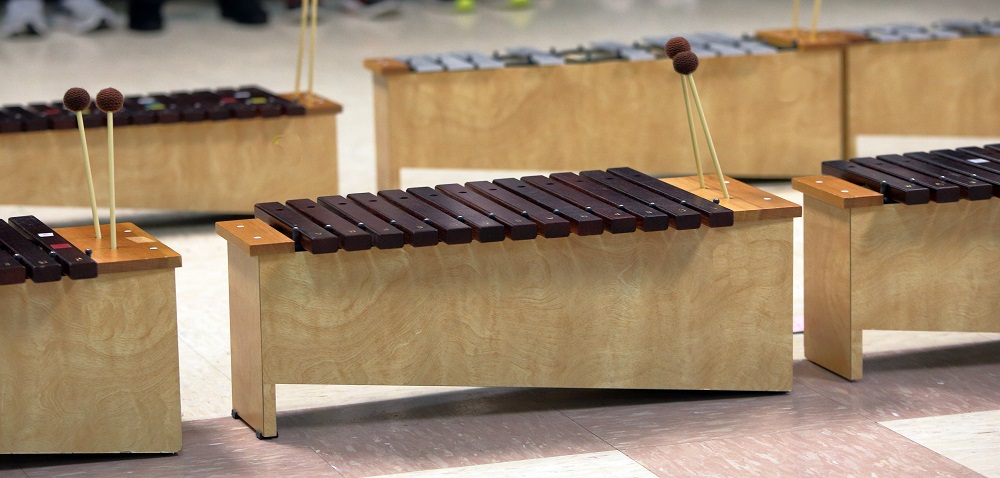
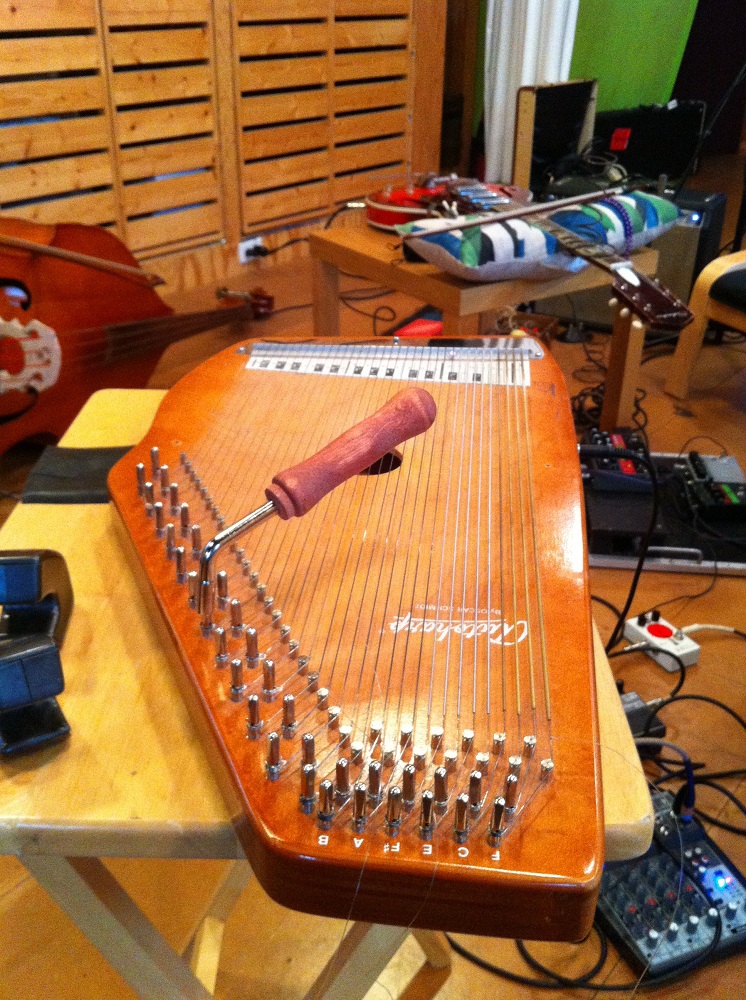
Just as the teacher is armed with a variety of instructional methods, the music classroom has an array of available physical instructional materials and equipment. Instructional materials include music books, supplemental resources, and recordings. Instructional equipment consists of a piano or electronic keyboard and an assortment of pitched and non-pitched instruments, including recorders, fretted instruments, barred instruments, autoharps, and instruments from diverse cultures. In addition, music teachers should have access to high-quality sound reproduction equipment and additional electronic equipment, including synthesizers, computers, music software, and LCD projectors.