
Overview:
All teachers should strive to meet students at their current levels, and “teach to reach” by selecting and presenting teaching materials that will reach as many students in a variety of ways. Diversity in teaching is essential in order to guide students toward their full potential. Integrating the music curriculum with other subjects can foster student learning and growth. Incorporating multicultural music education helps to build an appreciation of diversity, and addressing the needs of special learners will increase self-confidence and connect them with others.
Objectives:
Students will be able to:
- Describe the different ways to integrate the music curriculum with other subjects,
- Design integrated lessons that focus on music,
- Delineate the rationale for incorporating a multicultural approach to lesson materials,
- Identify the different ways in which multicultural music can be taught to younger students,
- Describe the four-step approach for teaching multicultural music,
- Identify the needs of special learners in the music classroom, and
- Create inclusion strategies for special learners.
What is Multicultural Music Education?
Multicultural music is an important component in the elementary music education program. Because the contemporary classroom is a reflection of the multiethnicity of the United States, the culture and arts of diverse peoples should be represented in the elementary music curriculum.
A multicultural music education is not limited solely to the study of the music and culture of various groups of peoples, but also includes music of people of different religions, social classes, ages, and many other areas. The more appropriate term for the study of music from diverse ethnic groups is multiethnic; however, multicultural music education is the phrase most frequently used in the United States.
The concept of world music education is related to -multicultural music and is a relatively new approach to North American classrooms. Proponents of world music education promote the study of the musical elements as manifested in the music of various cultures of the world. Rhythmic elements can be taught using songs from Poland or dances from Thailand so that musical components can be contrasted and compared from one culture to another. This implies a more broad-based approach by placing emphasis on the music and its styles and compositional elements rather than the cultural and contextual environment of the art form.
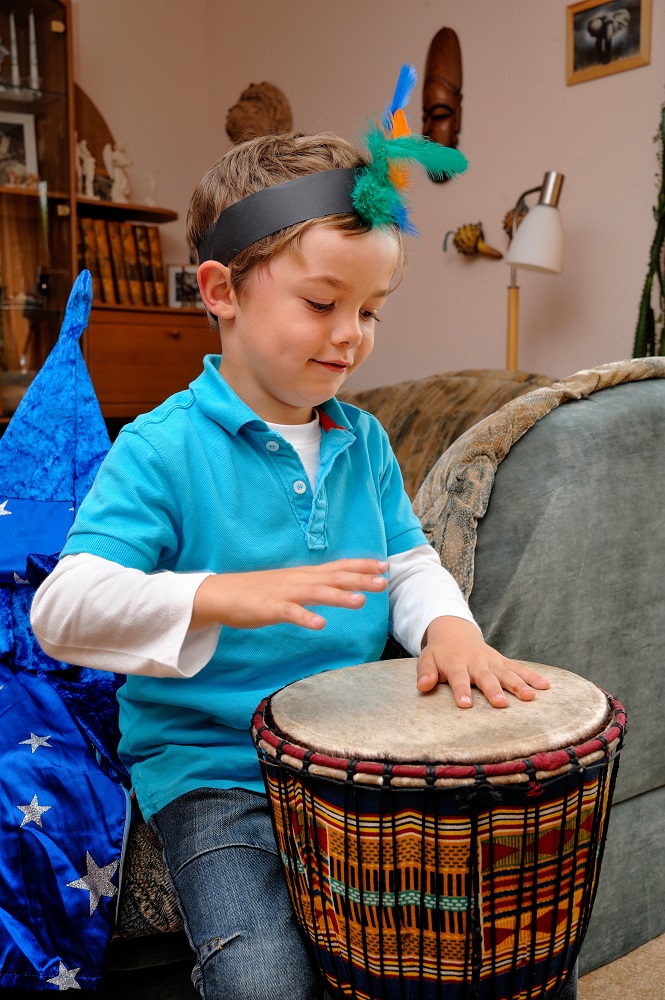
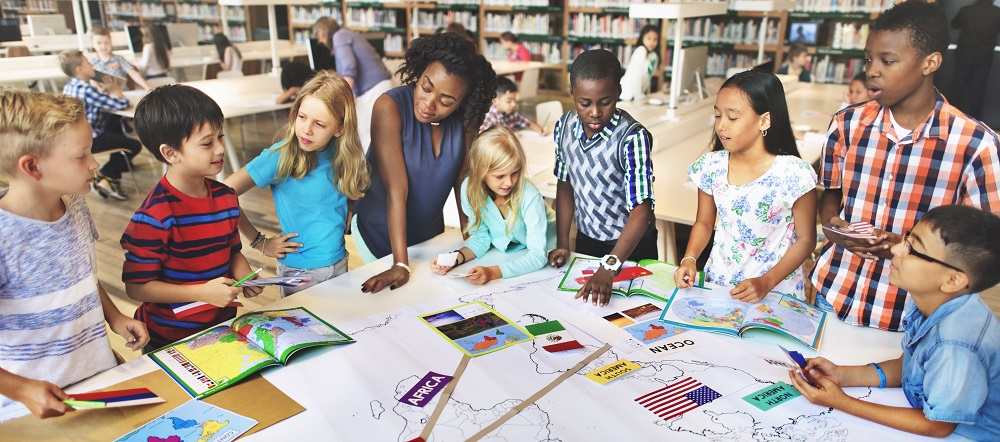
Another facet of multicultural music education involves the instructional approaches used by the teacher. The multiethnic classroom suggests that the students bring their own cultural heritages to the educational process. The perceptive and sensitive teacher is aware of the culture of the students and takes this into consideration when designing the curriculum by adapting and using the literature, instructional modes, and interests of the students as part of the lesson activities. This also involves the teacher learning the special linguistic, social, and religious needs of the students so that these issues can be handled with sensitivity and care.