
Overview:
Basic instruments (small percussion instruments or recorders) can be used by students to create preliminary compositions, set moods, a multi-sensory experience, and a hands-on means of increasing literacy skills. These fundamental tools are extensions of the student’s ability to be musically expressive. More advanced tools now available through technology are also available to expand teachers’ options in the music classroom. The best use of music technology is to enhance the curriculum rather than using it for its own sake. When used in intelligent ways, technology can be used to inspire students to want to learn, to teach students new skills, and to help them practice and improve.
Objectives:
Students will be able to:
- Summarize the rationale for incorporating instruments into elementary music lessons,
- Identify guidelines for using instruments and technology,
- Classify different types of age-appropriate instruments for classroom use,
- Describe teaching strategies for using instruments,
- Describe teaching strategies for using technology, and
- Summarize the rationale for using technology as a teaching tool.
What are the Most Common Forms of Technology in the Schools?
Technological hardware that is used in the music classroom ranges from the record player and the overhead projector to the computer, electronic keyboard, scanner, document reader, interactive white board, mobile digital media player and tablet. It is important that music educators become aware of the new equipment and the possibilities for instructional use.
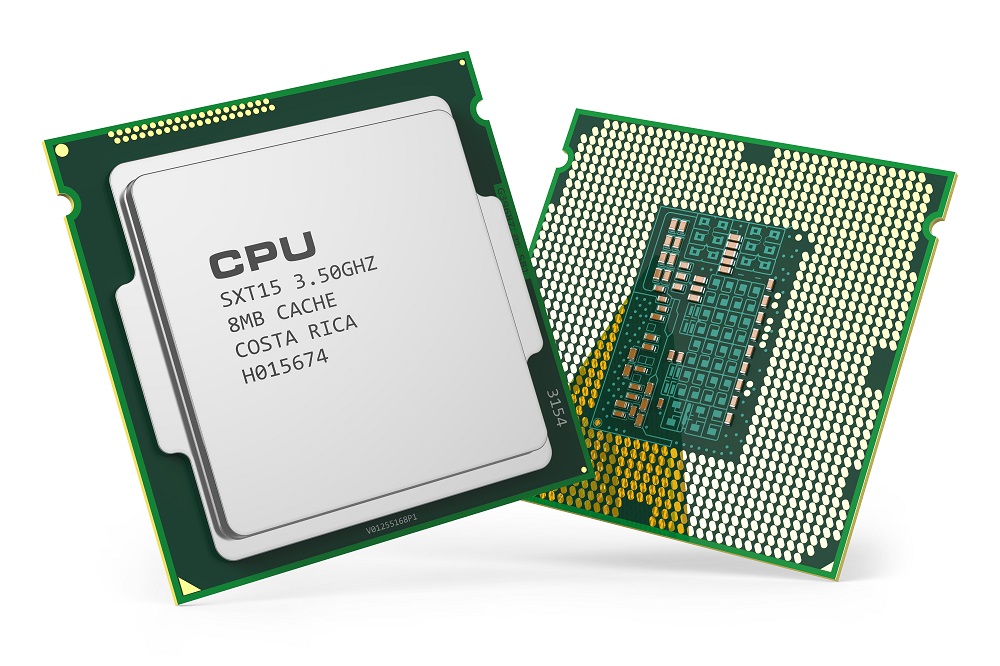
The term “computer” actually represents an entire system of electronic parts: the central processing unit (CPU), input devices (keyboards, disk drives, modems, mouses, scanners, etc.), and output devices (monitor, printer, speakers, etc.). Computers are an important educational tool. The computer can benefit music instruction by:
- Creating music activities and collaborative learning opportunities
- Providing student practice and further learning through software programs
- Assisting in the teaching process with graphic and sound resources
- Displaying music notation
- Storing and generating rhythmic and melodic patterns for analysis
With the addition of other components—electronic piano keyboards, sequencers, and specialized software—computers can become primary teaching tools in the music curriculum.
This link below provides valuable materials and resources for teaching with instruments.

Playing Instruments