
Overview
The face of rock and roll music began to change in the early 1960s. The payola scandal effectively ended Alan Freed’s career, along with many other disc jockeys who had promoted rock and roll in the 1950s. With the rise of shows such as American Bandstand and the promotion of pop-oriented artists such as Frankie Avalon, Bobby Vee, and Leslie Gore, rock had changed from a forbidden fruit to an everyday commodity.
Objectives
- Examine the commercial aspects that led to many changes in rock and roll music of the early 1960s
- Examine the different interests of major record labels, television stations, and disc jockeys and the conflicts between different parties which brought unprecedented changes in the music of the era
- Discuss the role of songwriters in the creation of popular music of the time
The Teen Idol
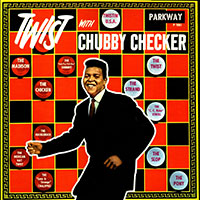
Another way in which major record companies attempted to control the teen listening market was by developing the teen idolattractive, clean-cut, well-mannered young white performers meant to appeal to a teenage audience in a non-threatening way. Teen idols were white, clean-cut, well-mannered, and polite. The girls were wholesome and sweet, and the boys promised to have you home by ten o’clock with nothing more than a kiss on the cheek. The early 1960s saw the rise of what has been called schlock rock or bubblegum pop, that is, bland songs by white artists about non-controversial topics such as romantic love. Of all of these artists, Chubby Checker was the single black artist who achieved success in the bubblegum pop or schlock rockalso known as bubblegum pop; bland songs by white artists about neutral topics such as romantic love genre. For the most part, the music recorded by teen idols lacked the raw edge and sexual energy that had characterized the rock and roll music of the 1950s.
For the most part, the music recorded by teen idols lacked the raw edge and sexual energy that had characterized the rock and roll music of the 1950s. Fiery Jerry Lee Lewis- or Little Richard-styled piano solos were replaced with swooning orchestral arrangements. Playful lyrics filled with double entendres fell away in favor of topics of teenage love and devotion.
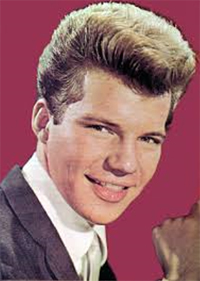
The teen icons of this era were far less threatening to parents than 1950s icons such as Elvis Presley, Chuck Berry, or even Buddy Holly. Handsome and sweet, singers like Frankie Avalon, Bobby Vee, Fabian Forte, and Bobby Vinton topped the charts with their songs about heartbreak and romantic love. In fact, many of these teen idol stars were not particularly musically gifted. It was common practice at the time for a record label to find a good-looking young man who could carry a tune reasonably well and then transform him into a star. Labels such as Chancellor, Swan, and Cameo-Parkway would spend weeks or months polishing these boys next door for their big pop debuts.
Bobby Vee’s "Take Good Care of My Baby ♫" is a classic example of the teen idol pop song of the early 1960s. Written by the husband-and-wife songwriting duo of Carole King and Gerry Goffin, "Take Good Care of My Baby ♫" is a sweet-as-sugar message to the new boyfriend of a former love. Unlike other pop icons of the era such as Frankie Avalon and Fabian Forte, Bobby Vee did have a musical background. He idolized Buddy Holly, and his band even filled in for Buddy Holly and the Crickets when Holly was killed in a plane crash. However, once Liberty Records signed him 1960, Vee was quickly transformed from a guitar-wielding Buddy Holly wannabe into a teen idol pop star.
Although most of the teen idol stars of this era were male, a few female artists found a modicum of success with the Brill Building formula, including Connie Francis, Annette Funicello, Leslie Gore, and Little Peggy March. Their songs, like those of their male counterparts, were largely about love, loyalty, and heartbreak, with minimal references to any physical expressions of love. As we will see in the next lesson, Brill Building songwriting particularly benefited African American girl groups, much more so than white solo female artists.



