
Overview
In the late 1960s and early 1970s, many Americans were listening to psychedelic music, folk rock, funk, and pop. At the same time, a new genre of music was developing in the underground scenes of the United States and the United Kingdom: punk. Punks rebelled against pretentious, over-produced rock stars and the corporations that promoted them. Instead, punk musicians focused on being as anti-corporate as possible. Punk music’s lyrics often emphasize a sense of isolation and alienation from everyday human emotions and issues. The genre of New Wave arose in the late 1970s as the aloof cousin of punk rock. New Wave music maintained a sense of detachment and alienation, but it often included musical language that was more familiar and relatable than that repetitive, distorted, screamed sounds of punk rock. A number of New Wave artists frequently turned to the music of the 1950s and 1960s for inspiration.
Objectives
- Identify several important proto-punk groups and artists
- Recall how and why New York was the center of the emerging punk rock movement
- Recall how the music of punk rock musicians reflects their aesthetic and social values
- Identify the similarities and differences between punk rock and New Wave
- Recall the significance of CBGB in the early careers of New Wave bands such as Talking Heads and Blondie
- Examine the role of earlier styles of rock and popular music in the recordings of groups such as the B52s and the Cars
Conclusion
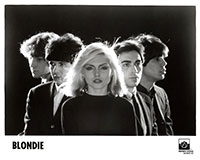
The musicians of the punk rock and New Wave movements rejected the values of the present in different ways. Punk rockers played loud, fast, angry music, and New Wave artists were more withdrawn and eccentric. Both groups drew on the influences of the Velvet Underground, which eschewed typical forms, instrumentation, and messages found in popular music of the time.

“The whole punk scene is, of course, responsible for the Go-Go's ever getting created. Because before punk rock happened, you couldn't start a band if you didn't know how to play an instrument. But when punk happened it was like, 'Oh, it doesn't matter if you can play or not. Go ahead, make a band.' And that's exactly what the Go-Go's did.”


