
Overview
As the term “disco” lost favor in the late 1970s and early 1980s, different types of dance music continued to develop and be played in clubs in the Midwest, especially in Chicago and Detroit. The first important genre of dance music to develop during this period was Chicago house, and this music strongly influenced musicians in the nearby city of Detroit. Young African American musicians from Detroit would travel to Chicago every weekend to hear house music, and they began creating their own style of and approach to electronic dance music at home. This genre of music came to be called techno. Musicians created techno with electronic instruments such as synthesizers, computers, samplers, drum machines, and multi-track mixers.
Objectives
- Recall several important technological developments and instruments from the late 1970s and early 1980s
- Identify the musical predecessors of Detroit techno music
- Recall the musical and socioeconomic factors that led to the development of Detroit techno
- Examine the development and dissemination of techno into the 1990s
Conclusion
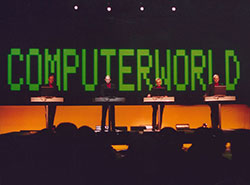
In the 1990s and into the 2000s, raves increased in popularity in the United States and with them, techno. Music by white artists such as Moby, Prodigy, and the Chemical Brothers helped accommodate this increasing demand for techno music among American audiences. The techno scene was now dominated by young white men. A music that had developed in the African American club scene of Detroit had become the soundtrack for a largely white and drug-fueled rave scene. Most Detroit techno musicians had retreated to underground networks. At the same time, Detroit's music scene became increasingly devoted to hip-hop instead of techno. In the next lessons, we will consider the development and significance of hip-hop.

"House music is the root of all electronic dance music."


