
Overview
Elvis Presley’s early recordings for Sun Records were in a musical style that was called rockabilly, which was a mixture of rhythm and blues, country and western, honky tonk, boogie woogie, and gospel music. When Elvis made the move to RCA, other recording artists continued making records in this rockabilly style. Artists such as Buddy Holly, Johnny Cash, Carl Perkins, and Eddie Cochran all made names for themselves as rockabilly artists.
Objectives
- Examine the defining musical characteristics of rockabilly and consider how artists combined different genres of music to create a new style
- Examine the shift in rock and roll that occurred at the end of the 1950s, often marked by “The Day the Music Died”
- Identify various rockabilly music artists and defining characteristics of their musical styles
The Day the Music Died
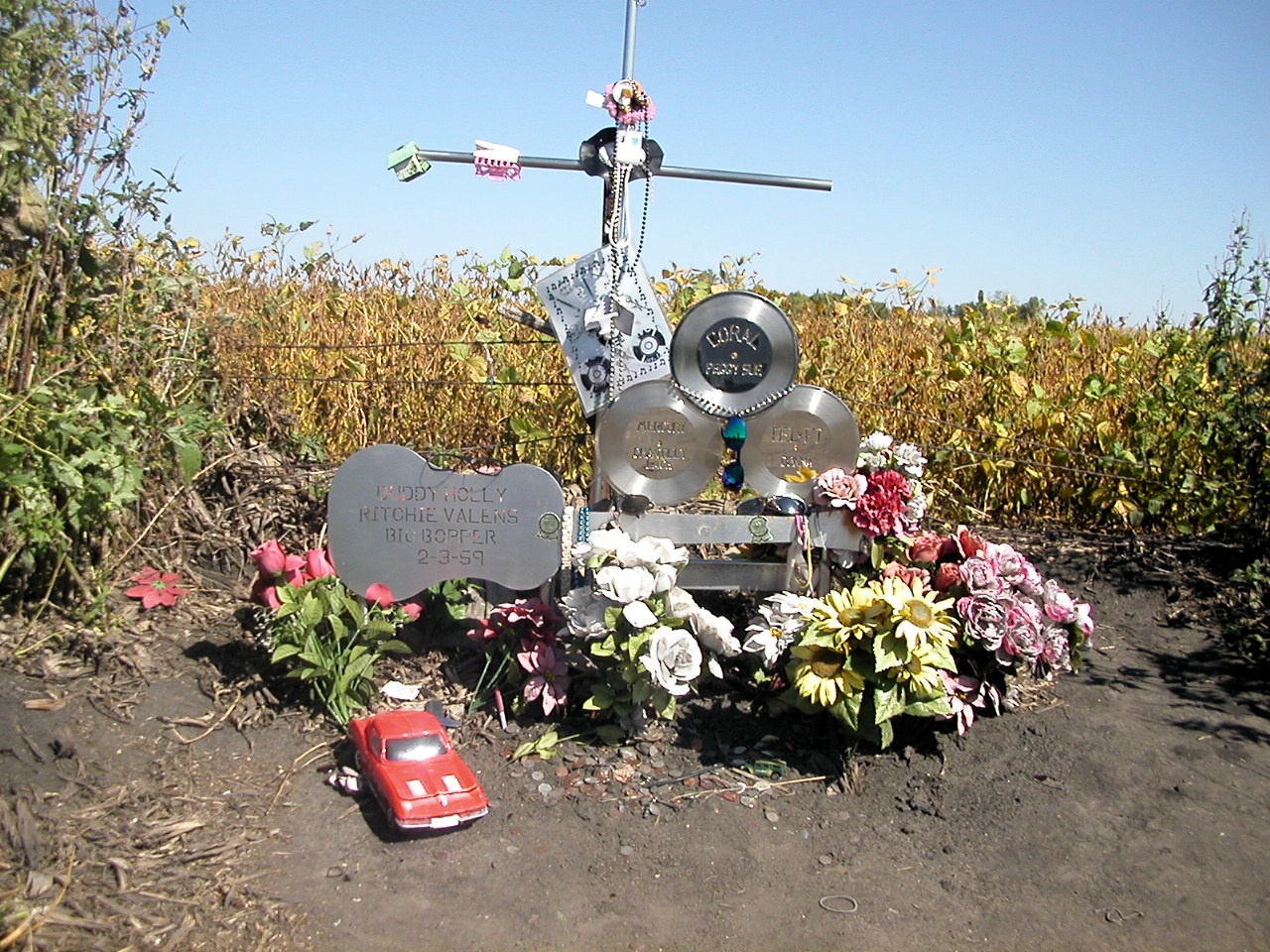
On February 3, 1959, a plane carrying Buddy Holly, Ritchie Valens, and the Big Bopper crashed, killing everyone on board. This day has come to be known as "the day the music died," immortalized in song by Don McLean in the 1960s. Buddy Holly was only 22. The Mexican-American singer-songwriter Valens (best known for the song "La Bamba ♫") was 17. The deaths of these artists symbolized the closure of an era, because the world of rock and roll, rhythm and blues, and rockabilly music of the 1950s was changing rapidly. In 1957, Little Richard renounced rock and roll to go into the ministry of the Seventh-Day Adventist Church. Elvis entered the Army in 1958 and returned from his military service in 1960.
Jerry Lee Lewis was blacklisted in 1958. In 1959, Chuck Berry was arrested for transporting a minor across state lines for immoral purposes. Eddie Cochran was killed in an auto accident in 1960. It looked like rock and roll was starting to fade away. As we will see in the next lesson, the face of rock and roll began to change in the 1960s, ushering in a new era filled with new sounds, artists, and styles.



