
Overview
In the late 1970s and early 1980s, several British and American bands brought increasing diversity to heavy metal. This new approach to heavy metal still had the weight and riff-based sound of earlier heavy metal, but it was infused with the speed and anger of punk rock. In this lesson, we will trace several major developments in heavy metal, beginning with the second generation of British heavy metal musicians and then observing a number of subgenres of American heavy metal.
Objectives
- Recall the new developments in heavy metal music that occurred in the mid-1970s in the music of bands such as Motörhead
- Identify several significant American and British heavy metal bands from the early 1980s
- Recall the major subgenres of heavy metal, including hair metal and thrash metal, and discuss the stylistic characteristics of each
The Second Generation of British Heavy Metal
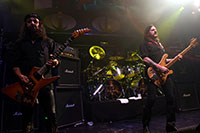
The British band Motörhead was one of the first groups to synthesize the sounds of punk rock and heavy metal. They are typically regarded as the forerunners of the second generation of British heavy metal, and they were a major influence on many metal bands of the 1970s and 1980s. "Motorhead" was slang for an amphetamine addict, and, as we will see, metal bands often arbitrarily added umlauts to their names.
Motörhead wore attire and had the attitude of punk rock, and their sound was also loud and fast like punk rock, but they adapted the dark themes and weighty sounds of heavy metal as well. In their music, Motörhead addressed typical metal themes such as good and evil and the abuse of power, but they also wrote songs about sex, gambling, and substance abuse. Although the group has seen several personnel changes over the years, their best-known work was recorded by bassist and vocalist Lemmy Kilmister, drummer Phil Taylor, and guitarist Eddie Clarke.
Motörhead released several albums during the late 1970s, but their major commercial breakthrough came with 1980's Ace of Spades. The album is regarded as a major influence both on the British revival of heavy metal as on the development of the genre of thrash metal. The album's title track "Ace of Spades ♫" is representative of Motörhead's style from this period, with its breakneck speed, heavy distortion, and half-shouted, half-sung lyrics. Although Motörhead did not experience the amount of commercial success as other contemporary metal groups did, they are regarded by musicians, critics, and fans as essential predecessors to sounds and styles of metal in the 1980s.
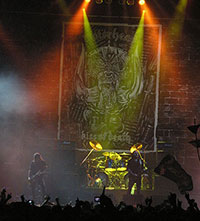
Motörhead was just one of several British bands who were reviving and reimagining heavy metal in the late 1970s and into the 1980s. The band Judas Priest had formed in 1970, but their first major commercial successes did not come until the albums Hell Bent for Leather (1979) and British Steel (1980). Judas Priest was most successful in England, although they did have some singles that sold well in the United States, such as "Breaking the Law ♫" and "Living After Midnight ♫." Judas Priest was the first heavy metal band to play with two lead guitars.

“My biggest influences were 1980s punk and metal. Metallica were my biggest influence because they were good at everything - riffs, energy - but with such an ear for melody, it was hard not to get pulled into it and become a fanatic.”


