
Overview
The genre of alternative rock emerged during the 1980s in the wake of punk rock, new wave, and music released on independent labels. In this lesson, we will consider the origins of alternative rock and two of the most successful early alternative rock bands. We will then survey several major subsets of the alternative rock movement that were popular in the early 1990s, including grunge rock, the riotgrrrl movement, and jam bands. The music of alternative rock is bound not by a specific sound or musical style but rather by a rejection of corporate or commercial values.
Objectives
- Recall the primary values and ideas of alternative rock
- Identify the main stylistic and aesthetic elements of grunge rock
- Identify the main stylistic and aesthetic elements of the riotgrrrl movement
- Identify the main stylistic and aesthetic elements of jam bands
Conclusion
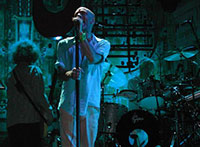
In general, alternative rock musicians rejected the values and ideas of mainstream listeners and record labels. At the same time, many groups such as R.E.M., Nirvana, and Pearl Jam eventually signed with major labels and sold thousands, even millions, of records. Other groups such as Phish have never cracked the album charts, but their live shows were always sold out. The troubled relationship between the values of alternative rock musicians and the success of alternative rock musicians led to a number of conflicts and tragedies during the 1990s, most notably, Kurt Cobain's suicide. As alternative rock musicians achieve mainstream success, they grapple with issues of authenticity and fears of "selling out."

“The nineties as a pop cultural sphere was a really fertile time for feminism that was grounded and located in popular culture. I'm talking about before the Spice Girls - Sassy Magazine, riot grrrl, the Beastie Boys, Nirvana. You had this alternative culture that was very much speaking up on behalf of women and in favor of women.”


