Generating page narration, please wait...

Learning Objectives
Be ready to...
- List the characteristics of the Baroque era (1600-1750) in context of social change including religious wars (Protestants vs. Catholics), the exploration and colonization of the New World, and the rise of middle-class culture.
- Identify a new style—monody—that featured solo song with instrumental accompaniment in the Baroque period through listening examples.
- Define figured bass, a shorthand that allowed the performer to supply chords through improvisation.
- Compare and contrast the major-minor tonality system and the equal temperament tuning system.
- Explain the significance of the union of text and music as expressed in the Baroque Doctrine of the Affections and reflected in genres such as opera, oratorio, and cantata.
- Define and compare the genres of opera, oratorio, and cantata.
- Compare and contrast the development of two types of concertos: the solo concerto and the concerto grosso.
- Correctly identify visually and aurally the main keyboard instruments of the Baroque era: organ, harpsichord, and clavichord.
- Describe the main characteristics of J. S. Bach's keyboard music, in particular his Well-Tempered Clavier.
Baroque Period (1600–1750)
Listening Bridge: From the Renaissance to the Baroque Period
Listen to these two pieces, and compare what you hear, using the following questions to guide your listening:
- What is the performance medium of each piece?
- What is the language of the text in each piece?
- Which piece has a stronger pulse?
- What is the texture of each piece?
- Which piece features stronger cadences?
- In which piece are all voices equally important?
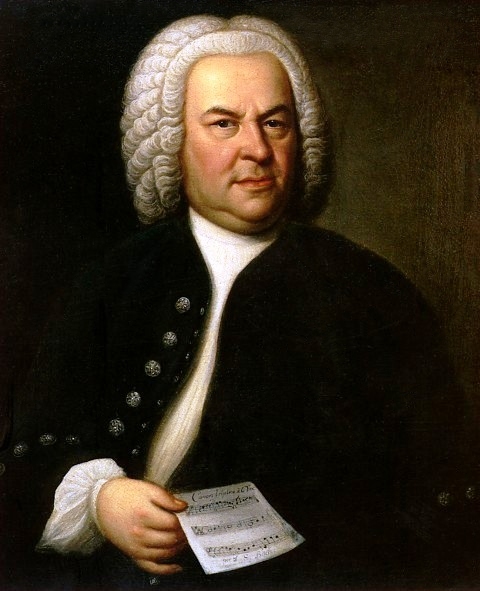
Composer: Johann Sebastian Bach
-
"Ein feste Burg ist unser Gott, BWV 80: I. Chorus"
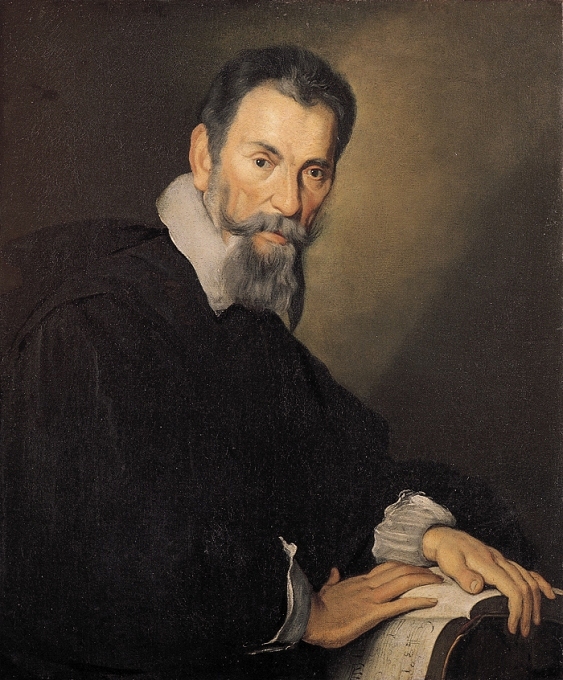
Ein Feste Burg exemplifies many of the changes that occurred in music between 1600 and 1750—the time in music known as the Baroque period.
Listening Prelude
As you listen to this piece, consider the following questions:
Composer: Johann Sebastian Bach
-
"Orchestral Suite No. 3 in D major, BWV 1068: Air"