




Vocal Timbre 1
What causes different timbres? To a great extent, timbre is determined by the shape of the sound waves and how the sound is produced. Vocal timbres vary in range (high to low) and color (rich, thin, nasal, warm, full, weak, etc.). Physical factors, such as the shape of the face, size and thickness of the vocal folds (vocal cords), age, and training, also affect timbre.
Vocal health is also closely connected to timbre. A heavy smoker has a certain timbre that is hard to miss, and the way your voice sounds when you have a bad cold, cough, or laryngitis is very different from how it sounds when you are rested and healthy.
Vocal Ranges
We classify singers as sopranos, mezzo-sopranos, altos, tenors, baritones, and basses, according to the range within which they sing. A related term is tessitura, which refers not to the extremes of a range but to the part of the vocal range that is used most in a song.
Female Voices
Soprano
A soprano [soˈpraːno] is a type of classical female singing voice and has the highest vocal range of all voice types. The soprano's vocal range (using scientific pitch notation) is from approximately middle C (C4) = 261 Hz to "high A" (A5) = 880 Hz in choral music, or to "soprano C" (C6, two octaves above middle C) = 1046 Hz or higher in operatic music. In four-part chorale style harmony, the soprano takes the highest part, which often encompasses the melody. The soprano voice type is generally divided into the coloratura, soubrette, lyric, spinto, and dramatic soprano.
"O mio babbino caro", an aria from the opera Gianni Schicchi by Giacomo Puccini, showcases the soprano voice in all its glory.

Puccini: “O mio babbino caro” / Fleming · Marin · Berliner Philharmoniker
Composer: Giacomo Puccini
-
"Gianni Schicchi: Gianni Schicchi: O mio babbino caro"
Another famous soprano aria is the"Song to the Moon" from the opera Rusalka by Antonín Dvořák.
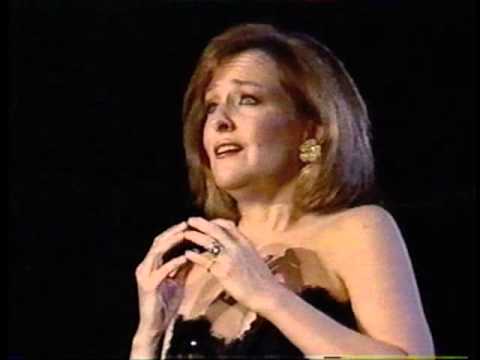
Rusalka (Moon Song) - Frederica von Stade
Composer: Antonín Dvořák
-
"Rusalka, Op. 114, B. 203: Song to the Moon"
One of the most celebrated types of soprano is the coloratura soprano. Coloratura sopranos have agile voices capable of singing elaborate, highly ornamented melodies that sometimes contain the highest pitches in the vocal repertoire. The "Der Hölle Rache kocht in meinem Herzen" (known as "The Queen of the Night" aria) from The Magic Flute is arguably the most well-known piece in classical opera for a coloratura soprano. It calls for pitches up to high F (around 1397 Hz) and spans a two-octave range.
Composer: Wolfgang Amadeus Mozart
-
"The Magic Flute: Der Hölle Rache kocht in meinem Herzen (Hell's vengeance boils in my heart)"
Mezzo-Soprano
The mezzo-soprano has a lower voice range than the soprano. The Italian term mezzo means "medium." It appears that the distinction between soprano and mezzo-soprano started around the middle of the 18th century. It was 19th-century composers, however, that started giving important opera female roles to mezzo-sopranos in the composers' operas. One of those composers was Georges Bizet (1838–1875), whose opera Carmen is among the most famous of all operas, with its realistic Spanish setting and strong, dramatic story. "Habanera", sung by the title character Carmen, is one of the most famous compositions for the mezzo-soprano voice.
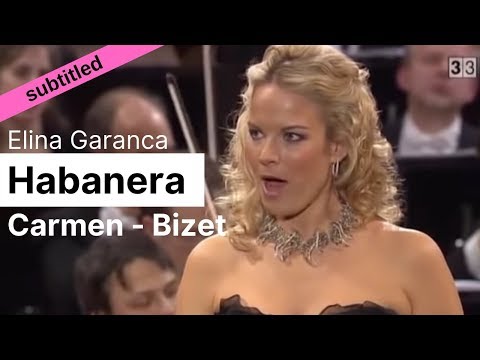
Habanera (Carmen, Bizet) - Elina Garanca
Composer: Georges Bizet
-
"Carmen: Habanera"
There is nothing quite as powerful as two well-matched voices singing together. The "Flower Duet" from the opera Lakmé by Léo Delibes remains one of the most beautiful examples of a soprano and mezzo-soprano duet.
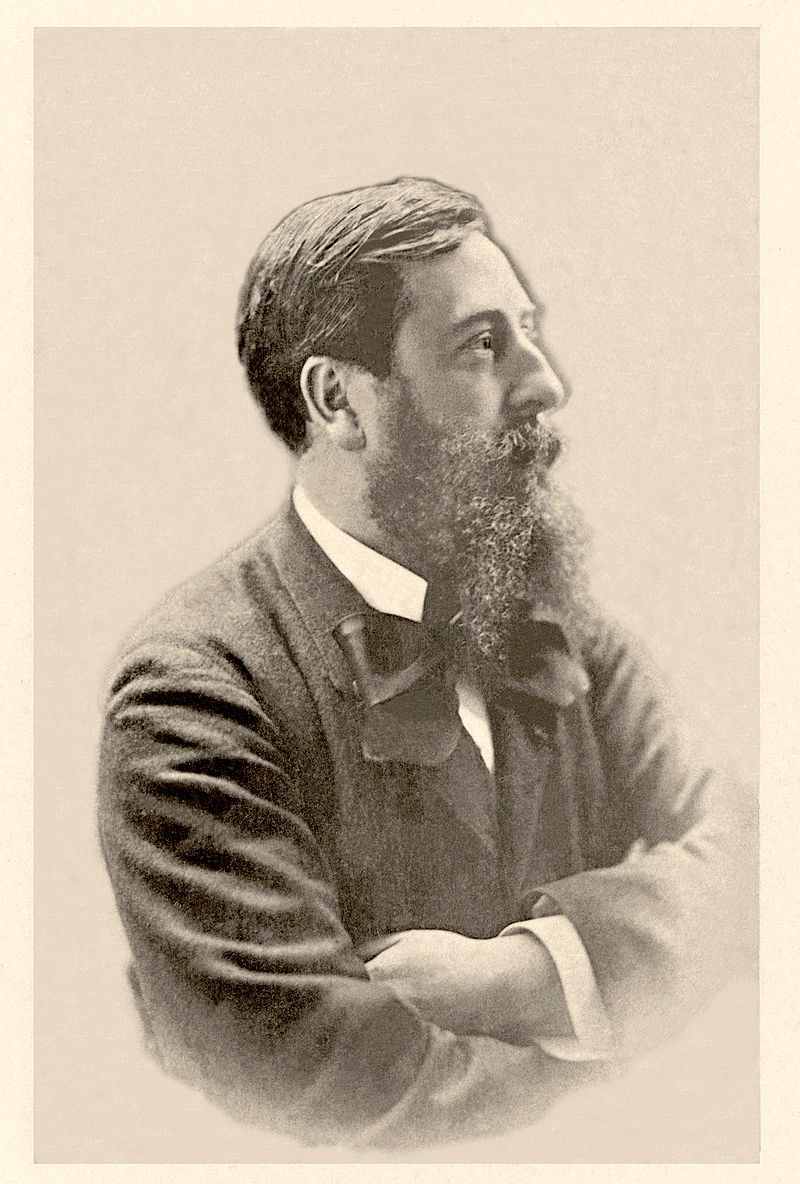
Léo Delibes trained at the Paris Conservatoire starting in 1847. He led an undistinguished career until his first major triumph in 1870 with the ballet Coppélia. Up to that point, he was known as an outstanding composer of operetta, although his catalog includes several successful operas of a more serious kind.
His opera Lakmé was staged at the Opera-Comique in 1883 and met with considerable success. The "Flower Duet" from this opera remains a favorite today, and it is often used in contemporary films. The story, based on Le mariage de Loti by Gondinet, is set in British India, where the British officer Gerald falls in love with Lakmé, daughter of Brahmin priest Nilakantha, with tragic consequences for her.
Composer: Léo Delibes
-
"Lakmé: Viens Mallika...Dome epais le jasmin"
Contralto
The contralto, or alto for short, has the lowest range of the female voices. In the first operas, this range was used mainly to represent comic old women, and later on, ones of tragic dignity. With time, it evolved to include heroic figures as well as darker characters such as villainesses and sorceresses. The alto voice may also portray a completely different character, as in Bach's incredibly moving aria "Erbarme dich, mein Gott"(meaning, "Have mercy, my God") from St. Matthew Passion in which the dark intensity of the singer's voice embodies the full expression of repentance.
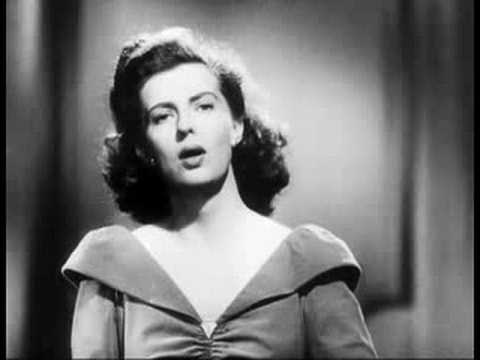
Contralto Eula Beal sings Bach's "Erbarme Dich"