





Strings
Introduction
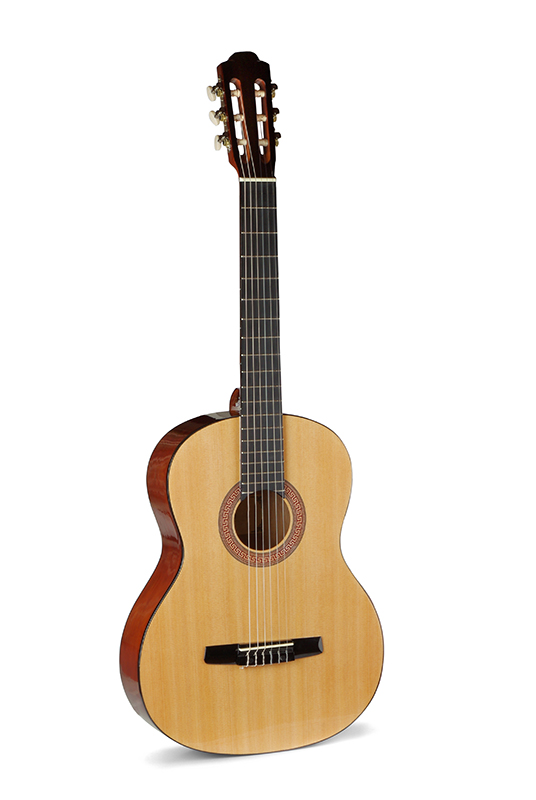
Almost every culture in history has featured string instruments as part of their musical life and heritage. However, regardless of their origin, string instruments share one common characteristic: a string stretched between two points to produce the sound. Strings may be plucked, strummed, bowed, rubbed, or otherwise manipulated in order to produce vibration. Although any one of these techniques may be applied to a particular string instrument, different instruments have traditionally been played using just one or two of these techniques. For example, guitars are strummed or plucked rather than played with a bow (i.e., bowed), whereas the opposite is true of the cello or the violin, for which strumming and plucking are used to a much lesser degree.
When playing traditionally bowed instruments, string players control dynamics by applying more or less bow pressure and speed to the strings. The ability to produce a high level of volume is particularly important when a solo string instrument needs to be heard above a large ensemble, as happens in a concerto for violin and orchestra. Vibrato, from the Latin vibrare (“to shake”), is another interesting instrumental technique used by string players. It consists of a quick back and forth movement or rocking of the finger that is in contact with the string, with the intent of producing a fluctuation of pitch for expressive purposes.
As with any other type of instrument, string instruments vary widely in terms of size, shape, and number of strings. However, there are groups of string instruments that share similar construction and instrumental technique characteristics.
One of these groups is the set of instruments that form the backbone of the traditional symphony orchestra. Comprising the string section of the orchestra, they characteristically are:
- similar shape and construction,
- played with a bow, and
- used in a way that the body of the instrument amplifies the sound.
Four Members of the String Section
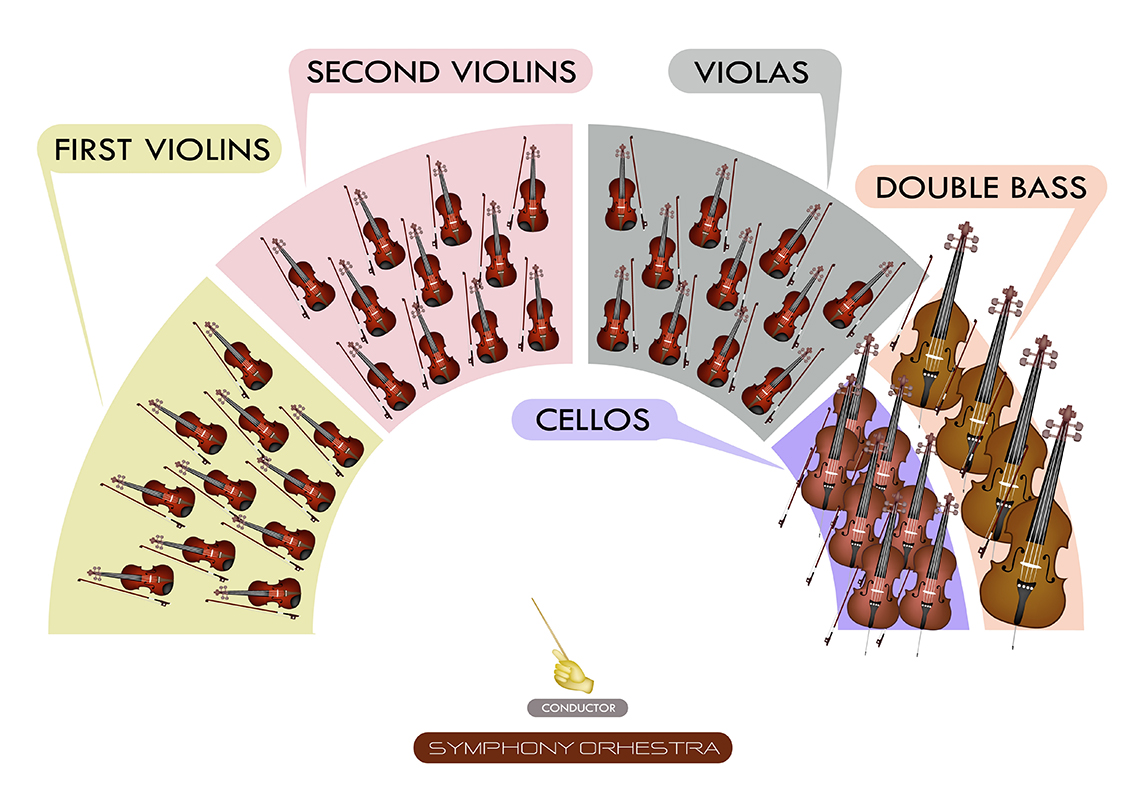
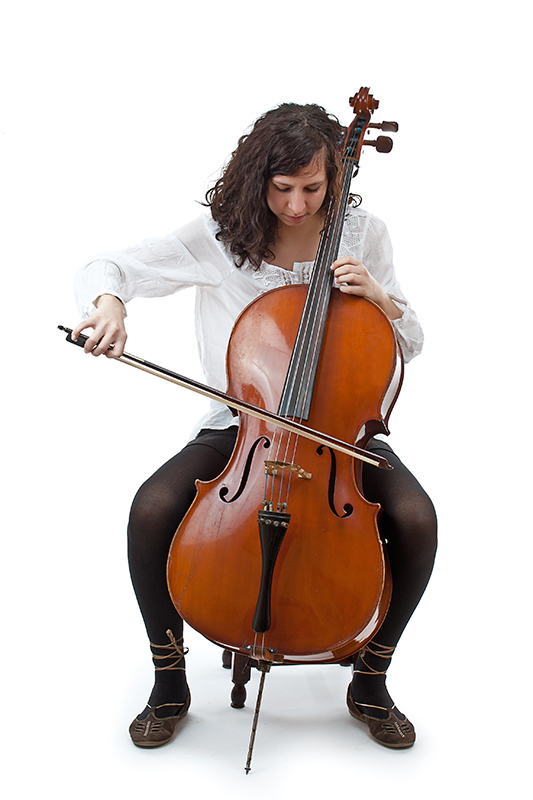
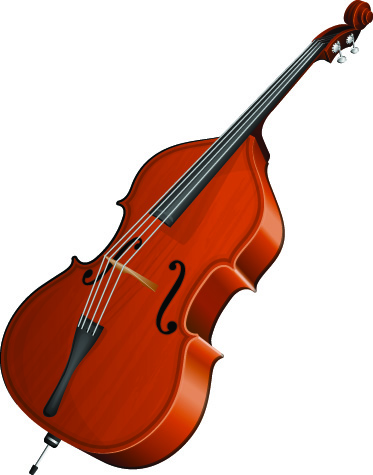
The four main orchestral string instruments are (from highest to lowest pitch): the violins (usually divided into two sections, playing individual parts), the violas, the cellos, and the double basses. Each have four strings arranged in order of pitch and may be played by means of a bow (arco) or plucked (pizzicato), as can be heard in the second movement of Maurice Ravel's String Quartet in F where at various points all the instruments are played pizzicato, bowed, or using a combination of both techniques. Whereas the violin and viola are played with the instrument resting between the shoulder and the chin, the larger cello (or, to give it its full title, violoncello) is placed between and slightly behind the knees facing outwards, and the bulky double bass is played standing up or seated on a high stool. The way we refer to performers of instruments is derived from the name of the instrument itself. Thus, we speak of violinists, violists, cellists, bassists, guitarists, and harpists, to name a few.
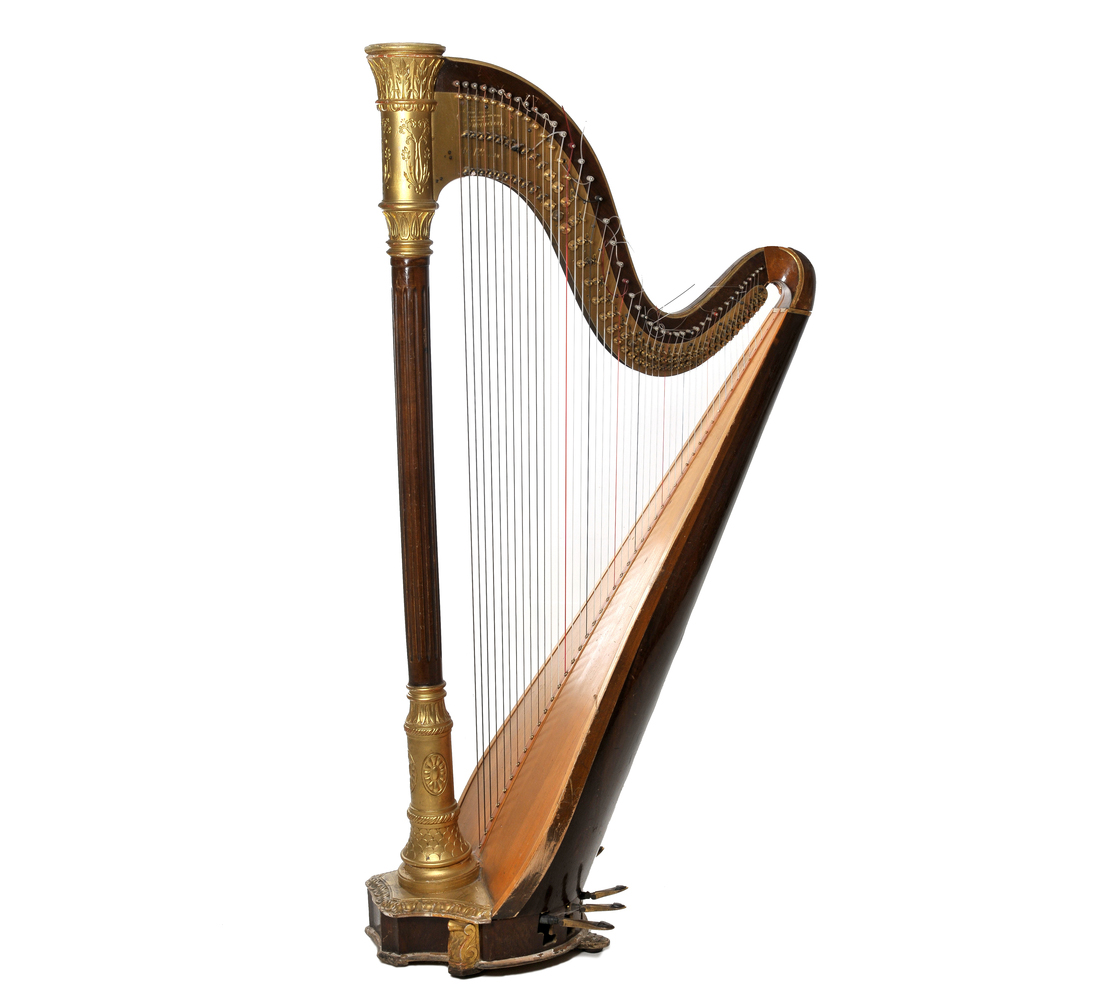
The harp may be a part-time fifth member of the orchestral strings, although it doesn't share any of the characteristics listed above.
Gallery
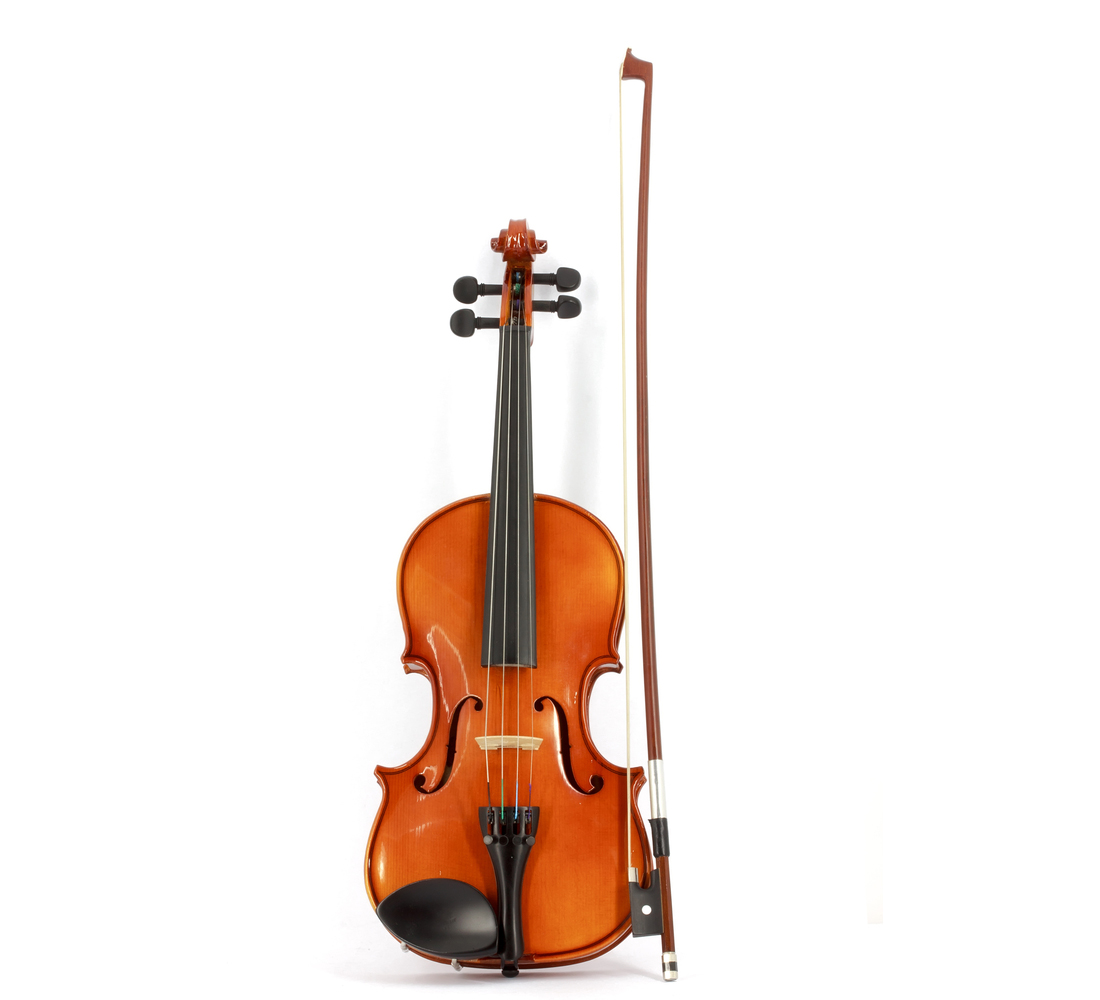
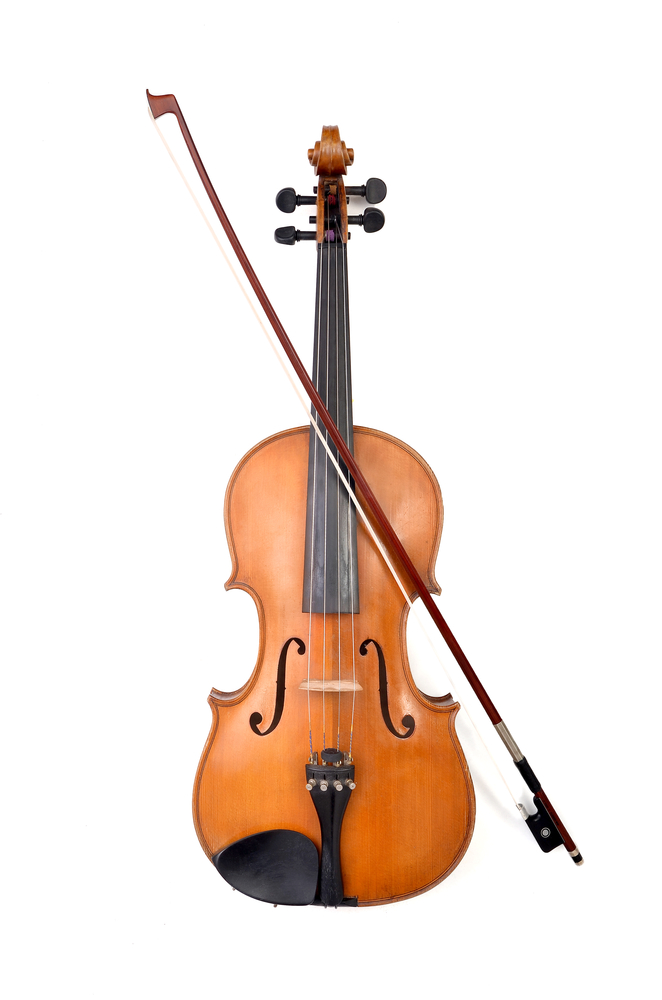
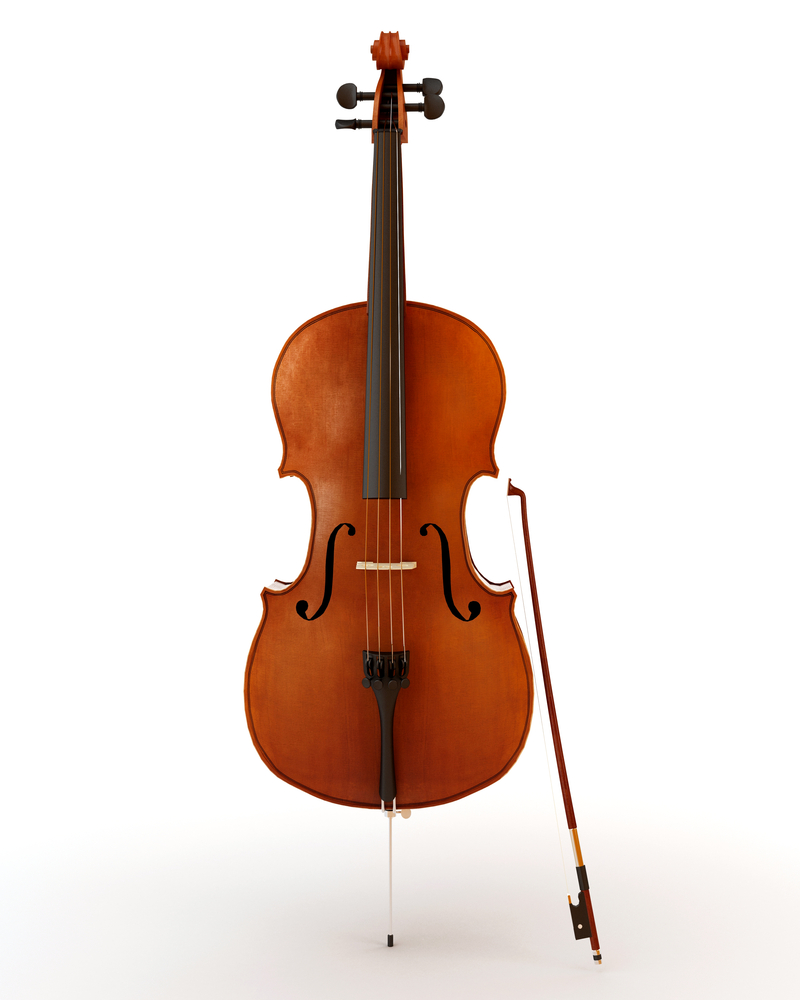
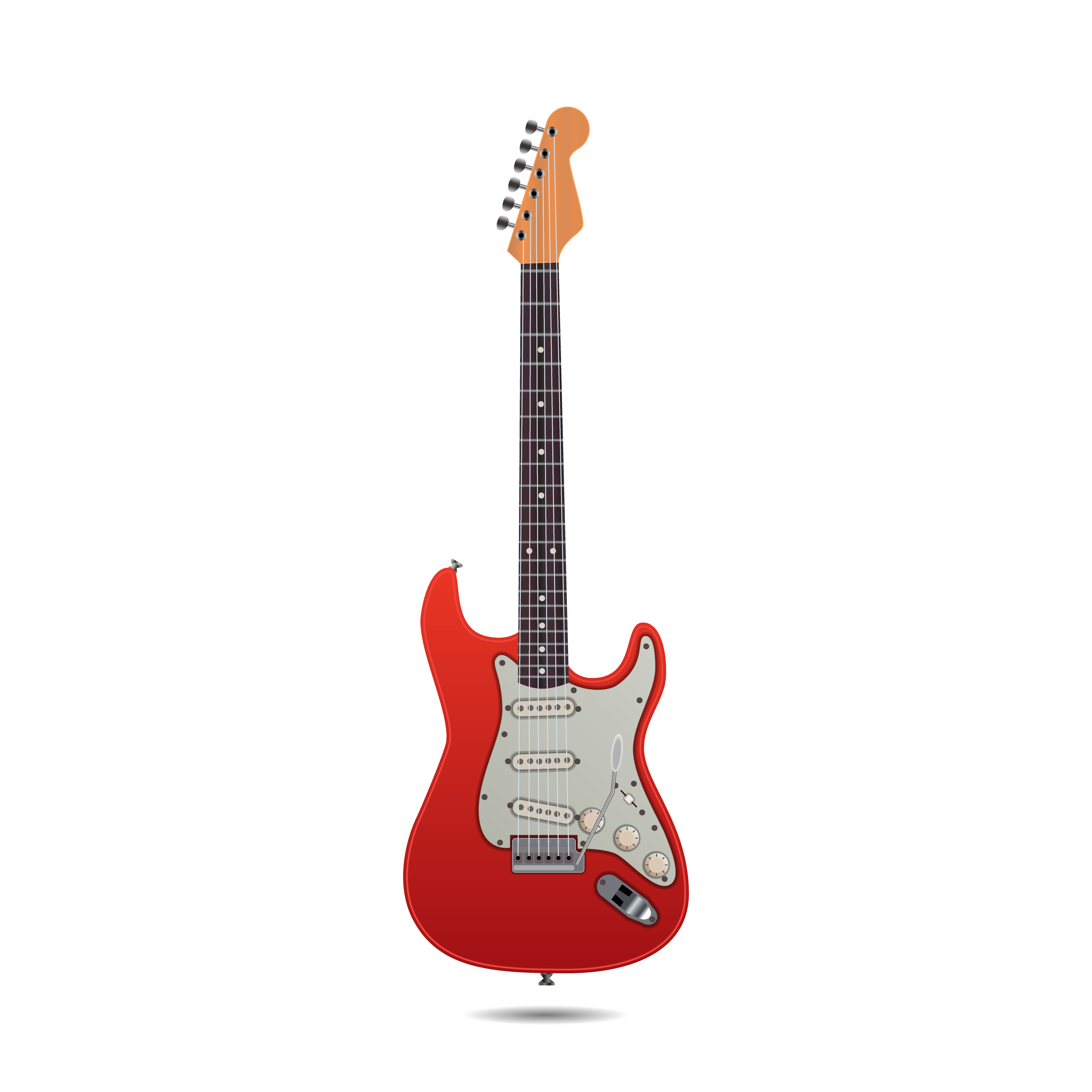
Now, click on the images below to hear the timbre of some well-known string instruments.
String Music Selections
Composer: Johann Sebastian Bach
-
"Cello Suite No. 1 in G Major, BWV 1007: III. Courante"
Composer: Antonio Vivaldi
-
"The Four Seasons, Violin Concerto in E Major, Op. 8 No. 1, RV 269 "
Composer: Wolfgang Amadeus Mozart
-
"Violin Concerto No. 1 in B flat major, K. 207: I. Allegro Moderato"
Composer: Ludwig van Beethoven
-
"String Quartet No. 4 in C Minor, Op. 18, No. 4: IV. Allegro"
Composer: Antonín Dvořák
-
"String Quartet No. 12 in F Major, Op. 96, B. 179 "