





Baroque Period (1600–1750)
Music for Keyboard
Baroque keyboard music falls into two categories:
- free forms that rely on harmony and improvisation (prelude, toccata, fantasia)
- more structured forms that use counterpoint or imitation (ricercar, fugue)
Composer: Girolamo Frescobaldi
-
"Fugue in G minor"
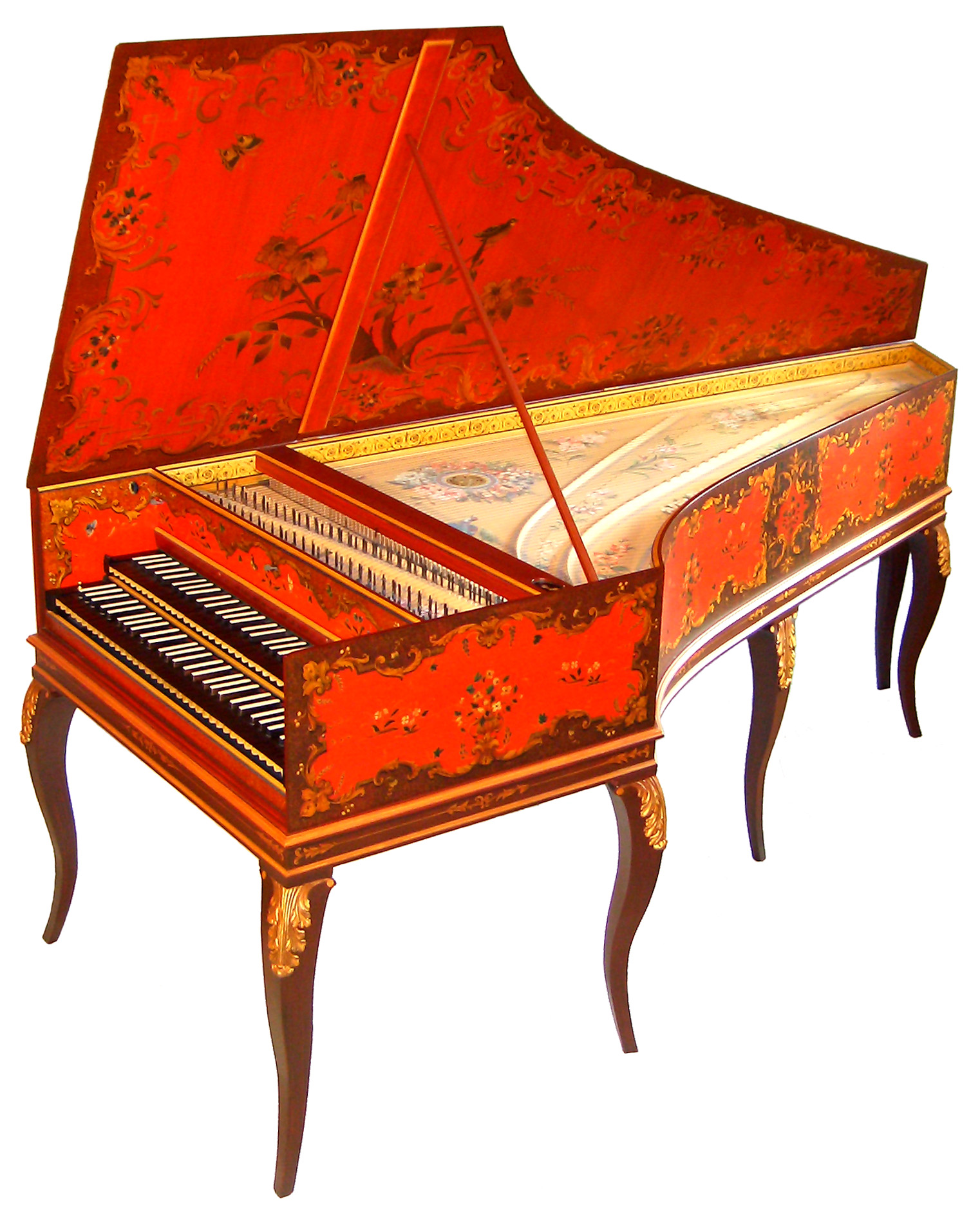
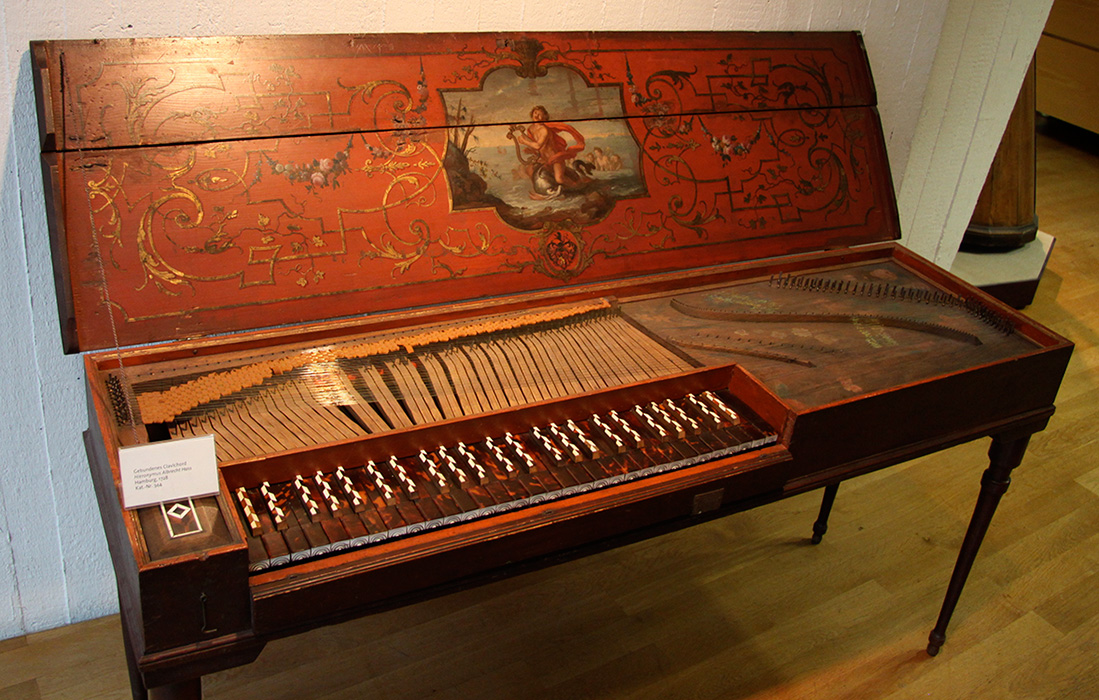
The three primary keyboard instruments used during the Baroque period were the organ, harpsichord, and clavichord. The term clavier was often used as an umbrella term for both the harpsichord and clavichord.
François Couperin
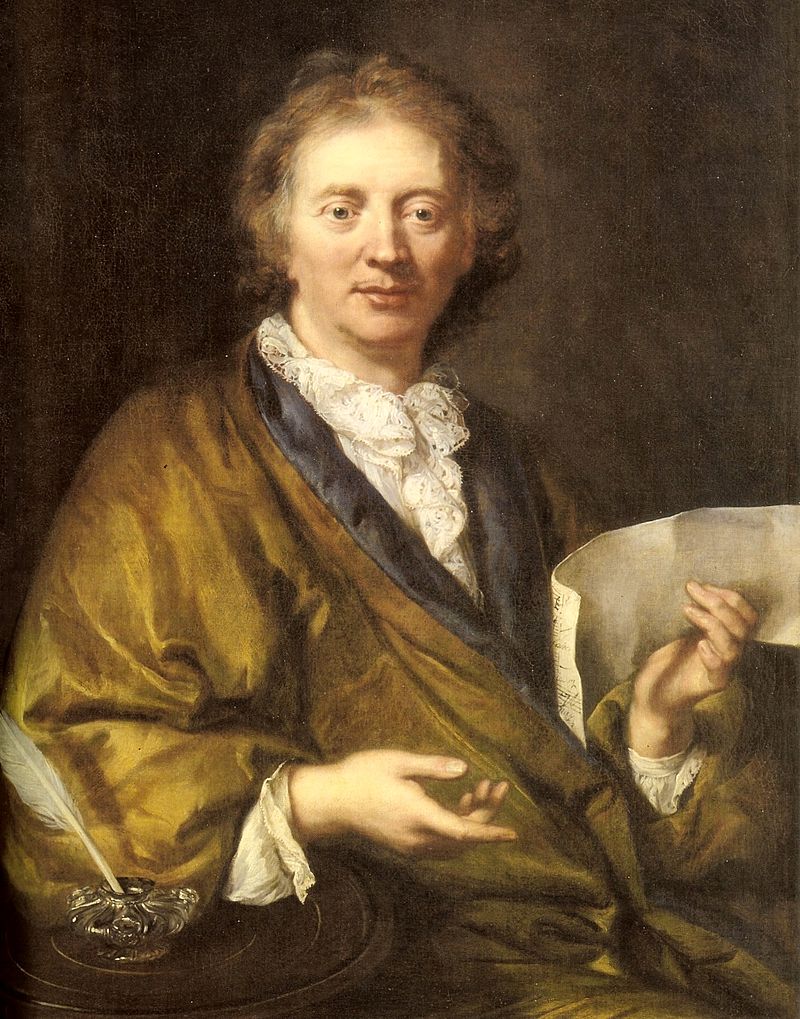
Couperin was the master of French Baroque keyboard music. His highly ornamental style may be found in his ordres, groups of dances comparable to the Baroque suites. The aristocratic quality, concise musical language, and light emotional quality of pieces such as this Allemande helped usher in the French rococo period.
Composer: François Couperin
-
"Concerts Royaux: Premier Concert: Allemande"
Jean-Philippe Rameau
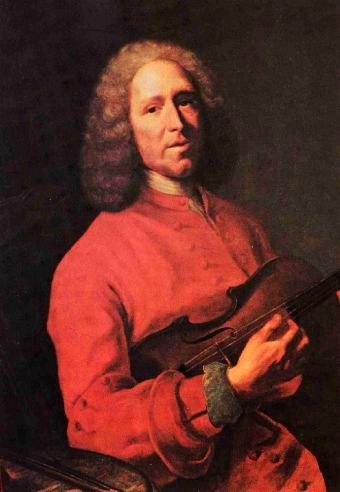
After the death of Couperin in 1733, Rameau became the leading French composer. The tradition of French harpsichord music is exemplified by Minuet from Suite in A minor-major. Rameau made a significant and lasting contribution to musical theory with the publication of his Treatise on Harmony (1722).
Composer: Jean-Philippe Rameau
-
"Pièces de Clavecin: Suite in A minor: I. Prelude"
Composer: Jean-Philippe Rameau
-
"Pièces de Clavecin: Suite in A minor: IX. Minuet"
Girolamo Frescobaldi
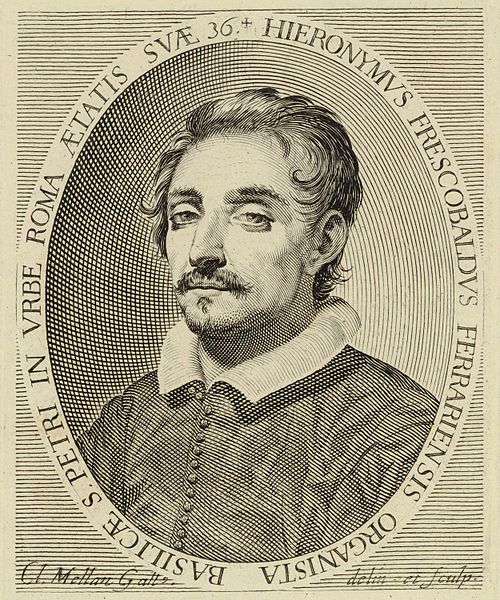
Frescobaldi is arguably one of the most important keyboard composers of the first half of the 17th century. He was born in Ferrara, where the musical tastes of the ruling duke, Alfonso II d'Este, attracted musicians of great distinction.
As an important composer for the organ and other keyboard instruments, Frescobaldi published a number of collections of keyboard pieces as well as compositions for varied groups of instruments. The keyboard works include toccatas, such as the Toccata nona, caprices, ricercari, and dance movements; and fugues, such as the Fugue in G minor that the 20th-century composer Béla Bartók transcribed for the piano.
In 1608, Frescobaldi became the organist at St. Peter's in Rome, a prestigious position he held until his death in 1643.
Composer: Girolamo Frescobaldi
-
"Fugue in G minor"
Bach's Well-Tempered Clavier
To demonstrate the feasibility of equal-tempered tuning, Bach wrote a monumental set of preludes and fugues. Commonly known as The 48, they consist of two series, or Books, each with 24 preludes and fugues, that explore the twelve major and minor keys. The Well-Tempered Clavier is one of the most important keyboard works of the late Baroque period and of all keyboard literature. In the following example, the Prelude and Fugue in C minor from Book I is performed on a modern piano.
Composer: Johann Sebastian Bach
-
"Well-Tempered Clavier Book 1: Prelude and Fugue No.2 in C minor, BWV 847"