




Summary
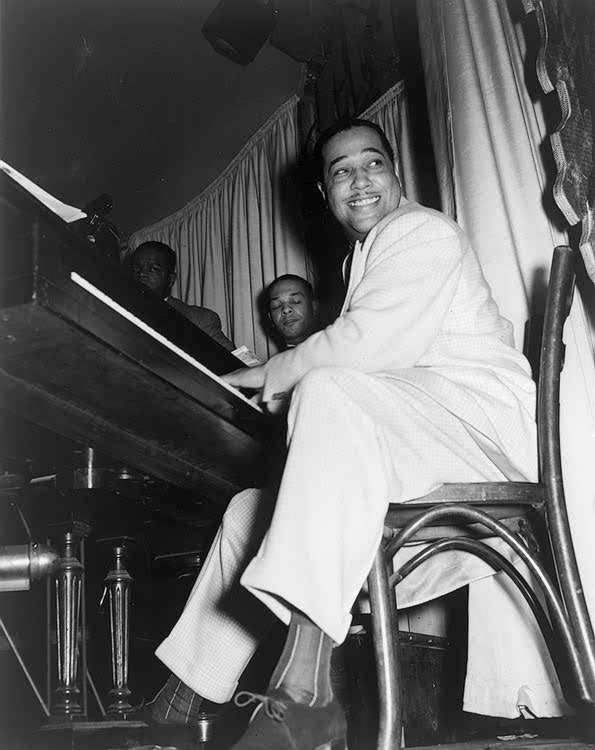
In this lesson, we have tried to define jazz. We have examined improvisation, looked closely at what gave jazz that swing feeling, and took a lengthy detour into blues to get a sense of the jazz's bluesy flavor. While many, if not most, jazz historians would say that those are the three most important characteristics of jazz, there are styles of jazz that do not "swing" in the historic sense. Furthermore, some jazz musicians describe certain pieces that lack improvisation as "composed jazz."
Duke Ellington, perhaps the greatest jazz composer of all time, did not like to be classified as a "jazz" composer. He felt it was too limiting of a label. Still, we study him mostly for the jazz that he created, and his jazz pieces remain, even today, his most popular works.
Throughout this course, we will consider again and again the question of what constitutes jazz. By the end of the course, we'll know more about it. It's probably the case, though, that we'll never completely answer it. It's a bit like trying to answer the question, "What is the meaning of life?"



"Blues developed in the southern United States after the American Civil War (1861–65) and was largely played by Southern black men, most of whom came from the milieu of agricultural workers."
