
Overview
Objectives
- Recall the British blues revival tradition, which began as British musicians studied and emulated the music of Chicago blues musicians such as Howlin' Wolf and Muddy Waters
- Recall the early days of the Rolling Stones and consider how their style changed as they moved from recording mostly covers of blues music to writing their own material
- Identify the many ways in which the Rolling Stones were the opposite of the Beatles, apart from being a British rock band that was popular beginning in the middle of the 1960s
Making the Rolling Stones
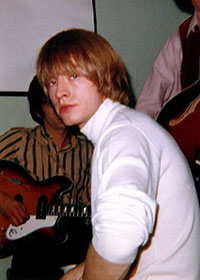
The Rolling Stones initially formed as a cover band devoted to American blues records. In fact, their name comes from the title of a Muddy Waters song, "Rollin’ Stone." The band’s earliest incarnation included Richards, Jagger, and guitarist Brian Jones. The group began by playing in London clubs such as the Marquee and the Eating Club. In 1963, Jagger, Jones, and Richards were joined by bassist Bill Wyman and drummer Charlie Watts, and they took on a regular weekly performance at the Richmond Crawdaddy Club. Andrew Loog Oldham began managing the band in May of 1963.
The Stones signed a record deal with Decca in 1963 which allowed them to retain ownership of their own recordings.They were also allowed to have unprecedented lengths of time in the recording studio, which gave them the chance to exercise a significant amount of creative freedom. Even though Oldham had no recording studio experience, he became the band’s producer. The Rolling Stones’ first singles on Decca were covers of songs by American rock and roll artists: "Come On ♫" was a cover of a Chuck Berry tune and "Not Fade Away ♫" was a cover of a Buddy Holly song. They also recorded "I Wanna Be Your Man ♫," which had been written for the group by none other than John Lennon and Paul McCartney.
The Rolling Stones had a relatively rough, brash sound in their recordings, which complemented their manners and physical appearance. Whereas the Beatles were the clean-cut "nice guys" among the invading British bands of the 1960s, the Rolling Stones were the "bad boys." The group dressed far more casually in concert than the Beatles did, eschewing matching suits for whatever they felt like wearing. They had long hair and foul mouths, a stark contrast to the mop tops and well-rehearsed banter of the Beatles. They made no secret of their womanizing and drug use. One publication called the members of the Rolling Stones "five indolent morons who seem to really enjoy wallowing in the swill-tub of their own repulsiveness." Another called them "the ugliest pop group in Britain , a caveman-like quintet." Oldham was delighted by this type of publicity and encouraged it. For example, he asked the members of the Stones not to smile for the photo that appeared on the cover of their first album, and he encouraged the press to run headlines such as, "Would You Let Your Daughter Marry a Rolling Stone?"



"Piano player Ian Stewart, considered the "6th Stone," was not an official member of the group because manager Andrew Loog Oldham felt he didn't fit the Stones image. "
