




Rhythm
Listening Prelude
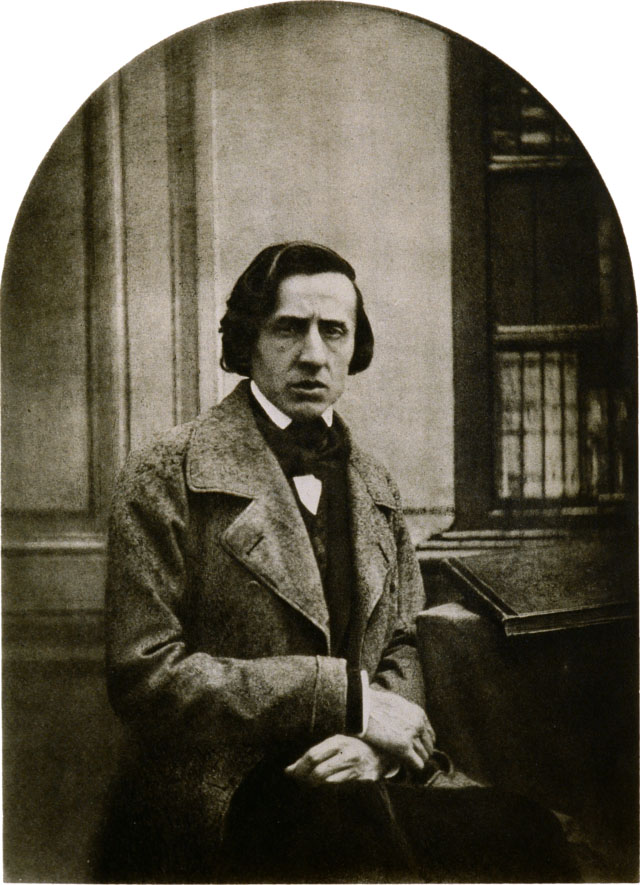
Listen to Chopin's Waltz in C-sharp minor, and consider the following questions:
- Does this music have a pulse?
- Is the pulse strong or weak?
- Does the pulse remain the same, or does it change as the piece progresses?
- What is the tempo of this piece?
- Does the tempo remain the same, or does it change as the piece progresses?
- What is the meter of this piece?
- What, if any, are the characteristic rhythmic patterns used in this piece?
Composer: Frédéric Chopin
-
"Waltzes, Op. 64: Waltz No. 7 in C-Sharp Minor, Op. 64, Op. 2"
Introduction
Rhythm is the organization of sound in time. Earlier, we learned that every tone has duration. It begins, exists for some period of time, and then ends.
When sounds are placed one after another, the combined durations create what is known as rhythm. Rhythm may be very complex, but some fundamental aspects of rhythm may be easily described and understood.
A basic component of rhythm is pulse (or beat). A great deal of the world’s music has a pulse. Pulse is what enables us to march, dance, or just tap a finger to music. Try tapping to the pulse in this excerpt.
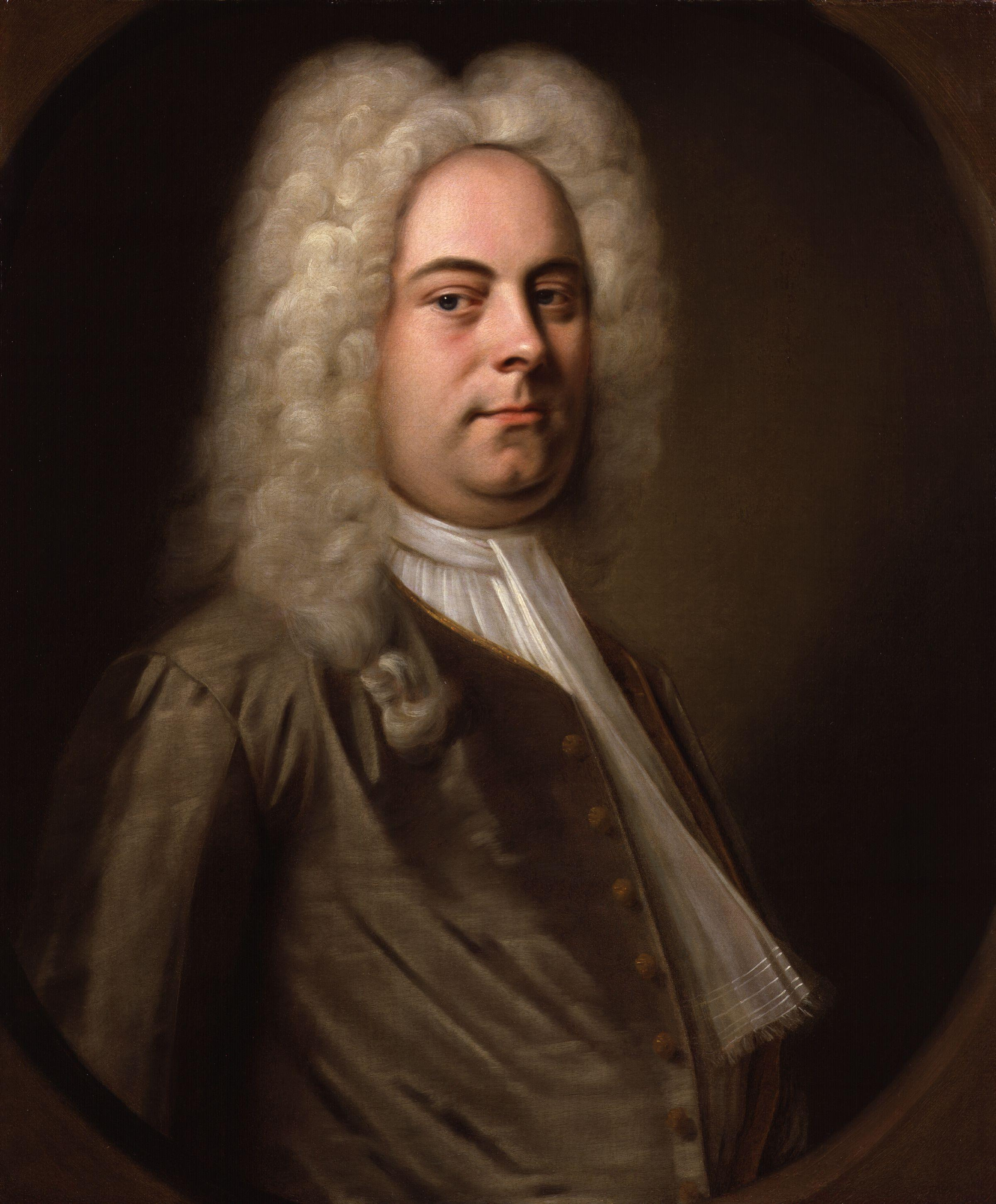
Composer: George Frideric Handel
-
"Water Music Suite No. 2 in D Major, HWV 349: II. Alla Hornpipe"
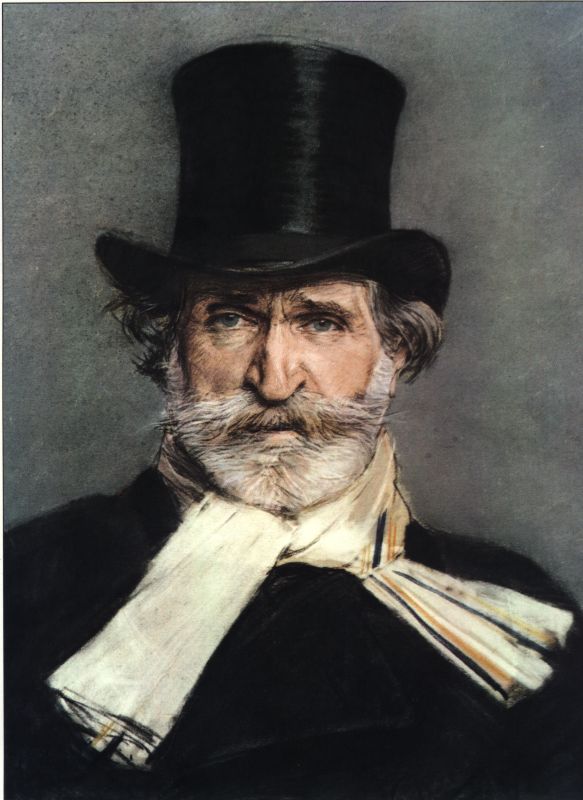
Composer: Johann Sebastian Bach
-
"Overture (Suite) No. 3 in D Major, BWV 1068 (arr. L. Rose for cello and piano): Suite No. 3 in D Major, BWV 1068: Air (trans. L. Rose)"
Composer: George Frideric Handel
-
"Water Music Suite No. 2 in D Major, HWV 349: II. Alla Hornpipe"
Composer: Frédéric Chopin
-
"Waltzes, Op. 64: Waltz No. 7 in C-Sharp Minor, Op. 64, Op. 2"