


Monophony
Monophonic music, or monophony, consists of a single melody without accompaniment. The melody may be sung or played on an instrument by one or more performers. When many people sing or play exactly the same pitch in unison—or the same pitch duplicated at the octave (such as when men and women sing together)—the resulting texture is referred to as monophonic.
Monophony doesn't necessarily mean that only one singer or instrument is present. However, there may only be one voice. In the context of texture, the term voice refers to a single melody played or sung by one or more performers.
A large number of monophonic pieces are written in plainchant—also known as Gregorian chant. In "Quem quaeritis", a soloist alternates with a female group, but only one line of music (one voice) is sung from the beginning to the end of the piece:
Composer: Anonymous
-
"Quem Quaeritis" [ 00:00-00:14 ]00:14
Composer: Anonymous
-
"Quem Quaeritis" [ 00:15-00:26 ]00:11
Composer: Anonymous
-
"Quem Quaeritis" [ 00:28-00:50 ]00:22
Composer: Anonymous
-
"Quem Quaeritis" [ 00:52-01:49 ]00:57
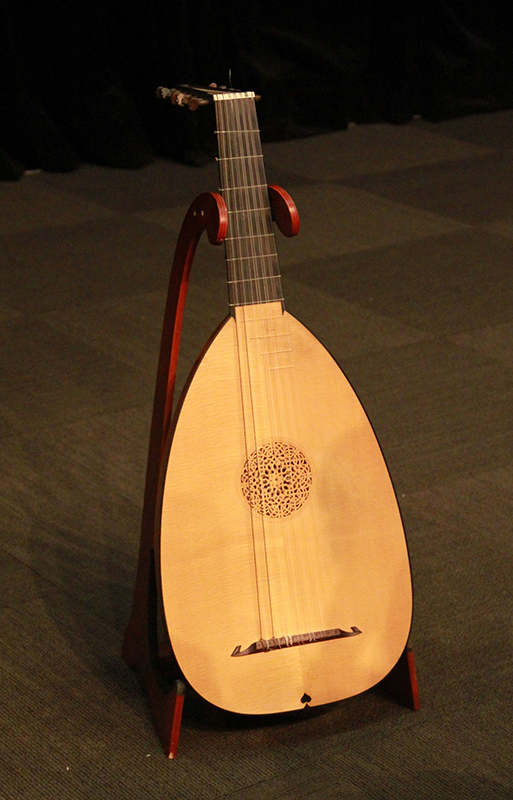
The instrumental introduction to "A la Nana" is a monophonic piece performed by a lute player (lutenist). The lute is a wooden instrument of Arabic origin that flourished throughout Europe from medieval times (13th century) to the 18th century. The original Arabic name for this beautiful instrument was al-oud, which literally means branch of wood. The Moors introduced it to Europe during their conquest and occupation of Spain (711–1492).
Composer: Anonymous
-
"A la nana"
Polyphony
Polyphonic music consists of two or more independent melodic lines, roughly equal in their melodic and rhythmic activity, played together. The interaction of the parts creates its own harmony. Independence and equality of voices are the defining characteristics of polyphony. Again, it must be emphasized that in the context of texture, the term voice refers to a single melodic line. Independence refers to that line's ability to compete with other voices for the attention of the listener.
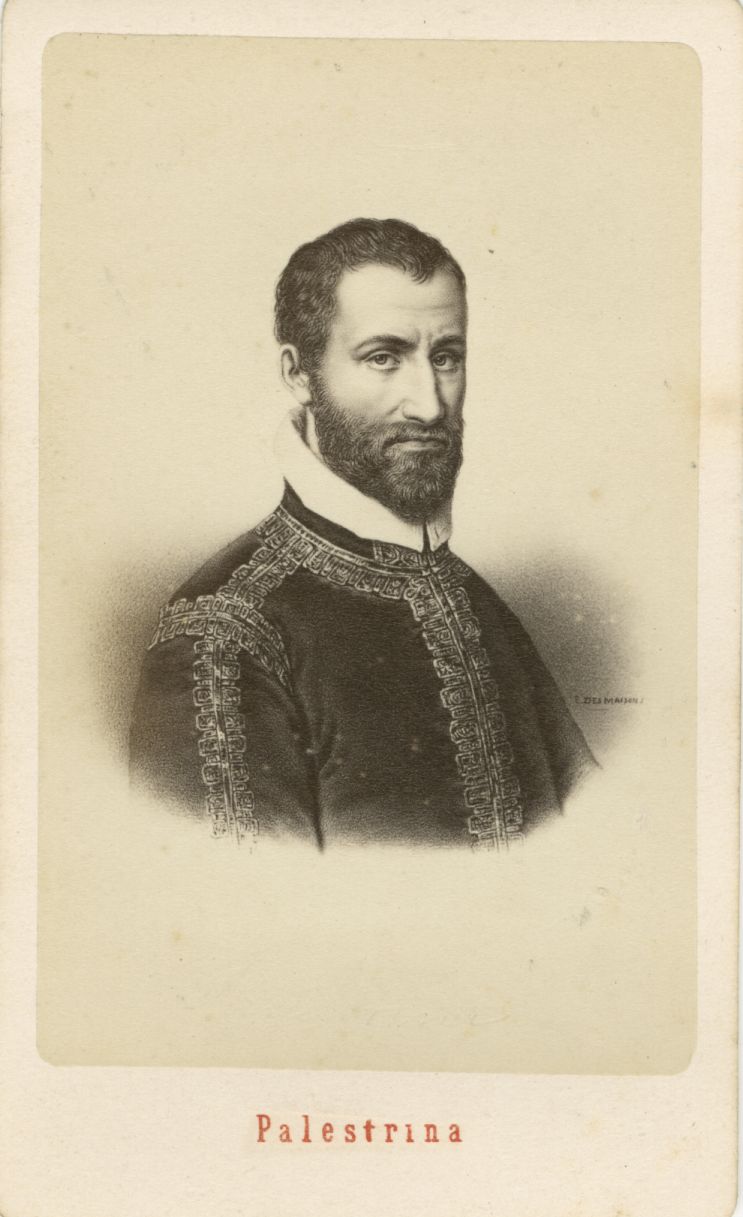
The Kyrie from the Pope Marcellus Mass by Giovanni da Palestrina is an excellent example of polyphony.