
Volume
Introduction
Volume, also referred to as dynamics, is one of the most important aspects of sound. Composers use volume as a way of controlling the emotional content and shape of a piece. Therefore, it is interesting to note that composers generally did not mark their scores with instructions about volume until well into the 17th century. Instead, they depended on musicians to determine the appropriate levels of volume for a specific performance space. Composers began writing indications for dynamic levels in scores at about the same time that significant improvements in the construction of various instruments allowed for a greater range and volume control than had been previously possible.
pianississimo
pianissimo
piano
mezzo piano
mezzo forte
forte
fortissimo
fortississimo
ppp
pp
p
mp
mf
f
ff
fff
very, very softly
very softly
soft
half soft
half loud
loud
very loud
very, very loud
Italian Terms Denoting Music Dynamics
Symbols to indicate volume and dynamic changes were created by the Italians—the most widely respected group of composers and musicians in the Western world during the 17th century. At first, dynamic indications were used sparingly, but commencing in the late 18th century, use of the Italian terms for volume spread widely among composers regardless of nationality.
It is important to remember that dynamics may refer to the overall loudness or softness of music, but they also may refer to the process of gradual change between volume levels. Therefore, volume not only covers the loudness or softness of sound at a particular point in time, but more importantly, it also refers to the infinitely subtle shadings that are possible between discrete dynamic levels. Volume gradation is one of the most important expressive elements available to composers and performers.
al niente
crescendo
decrescendo
diminuendo
morendo
to nothing
becoming louder
becoming softer
dying away
Italian Terms Denoting Gradual Dynamic Changes
Factors that influence dynamic levels include energy, number of instruments, and distance from the sound source to the listener. Although these factors are closely related to one another, we will examine each one separately.
Energy
According to the laws of physics, the amount of energy initially applied to a body sets that body in motion. Although technical-sounding, as applied to music, this law refers to motion and sound—for without motion, there can be no sound. Sound is produced by the motion of a vibrating body (string, air, membrane, etc.). Acoustic instruments (as opposed to certain types of electronic instruments) require a musician to perform the actions that set the vibrating body in motion. Depending on the type of instrument, the most common techniques involve bowing or plucking (string instruments), blowing (wind instruments), or striking (percussion instruments). The energy applied through these techniques alters the dynamics and thus potentially changes the emotional impact of the music.
One of the most important components of a performer's technique is the artful manipulation of volume. In string instruments, volume is manipulated by changing bow pressure and speed. In wind instruments, performers blow harder or softer into a tube that holds the column of air. Percussionists strike their instruments with more or less energy. Electronic instruments vary volume through the manipulation of buttons and knobs. (This is covered more extensively in the synthesizer chapter.)
Keyboard instruments present an interesting problem for the performer. In these types of instruments, instrumentalists don't have direct contact with the sound source because they don't touch the strings directly. The keyboardist depresses the keys (part of the overall keyboard mechanism) that are connected to a hammer (in the case of the piano) or to a plectrum (in the case of the harpsichord). It is the hammer or plectrum that directly strikes or plucks the strings. Controlling the movement of the hammer or the plectrum via the keys requires the development of a skill known as the performer's touch.
Although many people consider the human voice to be the most expressive instrument of all, its overall dynamic range is rather restricted by the limited capabilities of the vocal cords. Great singers, however, are noted for the incredible dynamic range, projection power, and beauty of their voices. Choral groups may also display these abilities and qualities.
Carmina Burana: "O Fortuna"
One of the most popular of German composer Carl Orff's works is Carmina Burana, a large-scale piece that uses text based on medieval Latin and Old German lyrics that were found at the monastery of Benediktbeuern. The work has become very familiar to casual listeners through its use in advertising and films. Although intended as a theatrical work with costumes, dancing, and scenery, Carmina Burana is nowadays generally performed as a concert piece with soloists, chorus, and orchestra on the concert stage.
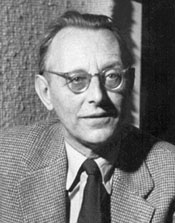
"O Fortuna" from Carmina Burana illustrates the concept of altering volume by using more or less energy to produce sound at different dynamic levels. Listen to the clear difference in volume between passages A and B below. Try to picture in your mind's eye how the musicians might be playing their instruments and singing in each passage. How many different instruments or groups of instruments do you hear in these examples? How many times do the dynamics change?
Orff was widely known for his work in music education, particularly for his ideas about the connection between music and movement. In his compositions, he was able to create a similar connection between the dramatic and the musical through a very personal style that featured insistent, repeated patterns of notes and compelling rhythms, such as in "O Fortuna."
Composer: Carl Orff
-
"Carmina Burana: Carmina Burana: O Fortuna" [ 00:22-00:55 ]00:34
Composer: Carl Orff
-
"Carmina Burana: Carmina Burana: O Fortuna" [ 01:39-02:00 ]00:21
Volume
Number of Instruments
Dynamic level is affected by the number of musicians taking part in a performance as well as the musicians' ability, under the conductor's direction, to control personal volume level. Generally, orchestras have a higher dynamic level than do solo instruments, and a group of singers (choir) sounds louder than a soloist.
The music of Maurice Ravel's Daphnis and Chloé demonstrates the range of dynamics that may be achieved by using different numbers and combinations of instruments.
As you listen, notice that higher levels of volume add tension, while lower levels create a sense of relaxation that eases the tension.
Composer: Maurice Ravel
-
"Daphnis Et Chloe, Suite No. 2"
Volume and dramatic tension increases as different instruments are progressively added within the context of a coherent musical idea.
Composer: Maurice Ravel
-
"Daphnis Et Chloe, Suite No. 2" [ 12:45-13:26 ]00:41
After volume has built up (crescendo), diminuendo is achieved as instruments are removed from the music texture.
Composer: Maurice Ravel
-
"Daphnis Et Chloe, Suite No. 2" [ 03:14-03:38 ]00:24
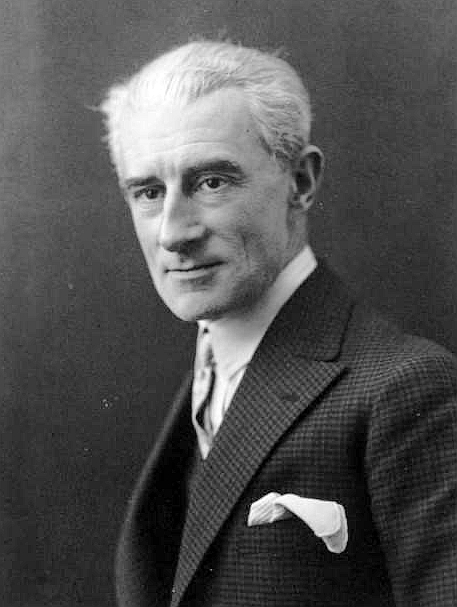
Ravel wrote his ballet Daphnis and Chloé in 1912. The work is based on an ancient Greek pastoral romance set on the island of Lesbos. The plot involves the love, forced parting, and eventual happiness of the shepherd Daphnis and the shepherdess Chloé. Chloé, abducted by pirates, is rescued with the help of the god Pan and reunited with Daphnis. Their reunion is a subject of general rejoicing.
Daphnis and Chloé has sections that may appear to be similar in notation, but in fact, they differ in their dynamic level. Two examples help to illustrate this point. Compare an instrumental section, in which most instruments of the orchestra participate, to a similarly notated section written instead for the full orchestra and chorus. Note that the second selection achieves a higher dynamic level due to the greater number of performers.
Distance
In the case of sounds that are not amplified via mechanical or electronic means, our perception of the loudness or softness of the sound depends on the distance from the sound source. The speed of sound is 1,120 feet per second. After a certain distance, sound loses much of its energy. The farther the listener is from the sound source, the softer the overall sound will be.
Imagine hearing a faint siren in the distance. As the siren approaches, the volume level increases. Put another way, as the volume level increases, we interpret it as the siren approaching. Likewise, composers may use varying dynamic levels to shape the listener's sense of distance. In the following excerpts, the music gives the impression of a distant group of pilgrims that approach gradually.
Composer: Richard Wagner
-
"Tannhäuser: Beglückt darf nun dich, " [ 01:55-03:44 ]01:49
The pilgrims enter from a distance.
Composer: Richard Wagner
-
"Tannhäuser: Beglückt darf nun dich, " [ 00:00-00:54 ]00:54
The group approaches.
Composer: Richard Wagner
-
"Tannhäuser: Beglückt darf nun dich, " [ 00:54-01:54 ]01:00
The orchestra joins the singers, and the increase in volume adds to the mounting drama of the piece.
Composer: Richard Wagner
-
"Tannhäuser: Beglückt darf nun dich, " [ 01:55-02:38 ]00:43
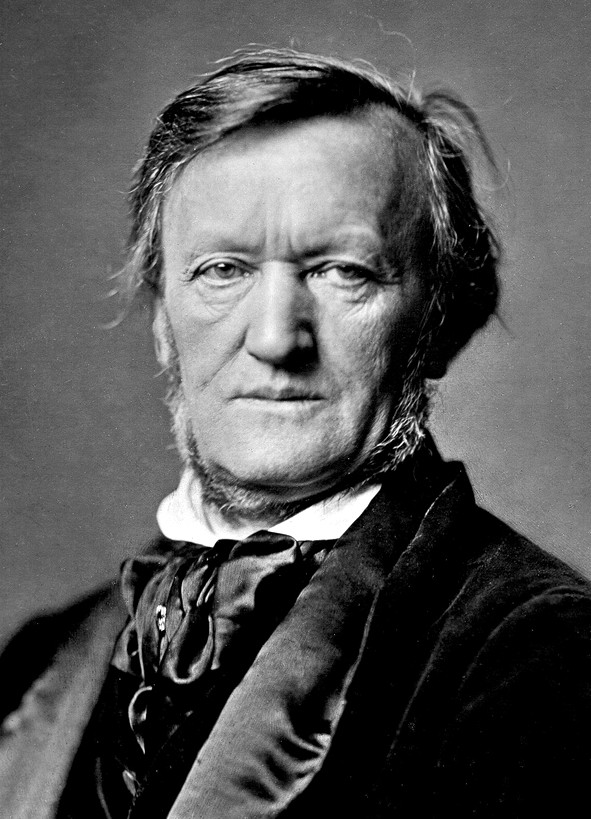
The above excerpts come from Wagner's opera Tannhäuser. First staged in Dresden in 1845, the opera is about a medieval poet-composer named Tannhäuser who sings the praises of Venus, the goddess of love. This commendation is considered sinful, and for this reason, he is sent to Rome to ask the Pope's forgiveness. Elisabeth (the daughter of a wealthy man) hears Tannhäuser's praise of love and falls in love with him. Upon his return from Rome, Tannhäuser finds Elisabeth dead of a broken heart. He, too, joins her in death.
Wagner was a remarkable innovator and a widely controversial figure in music history. He is considered by many to be among the best opera composers of the 19th century. His goal was to produce the Gesamtkunstwerk (unified work of art)—dramatic compositions in which the different art genres were brought together into a single work. Essays, letters, diaries, and the personal written recollections of former students and friends reveal that he was quite a difficult human being. He was anti-Semitic, anti-Catholic, and anti-French. Often in debt and living off the generosity of patrons, he gained the support of King Ludwig II of Bavaria in the latter part of his career. The financial backing of King Ludwig II enabled Wagner to establish his own theatre and festival in the Bavarian town of Bayreuth.
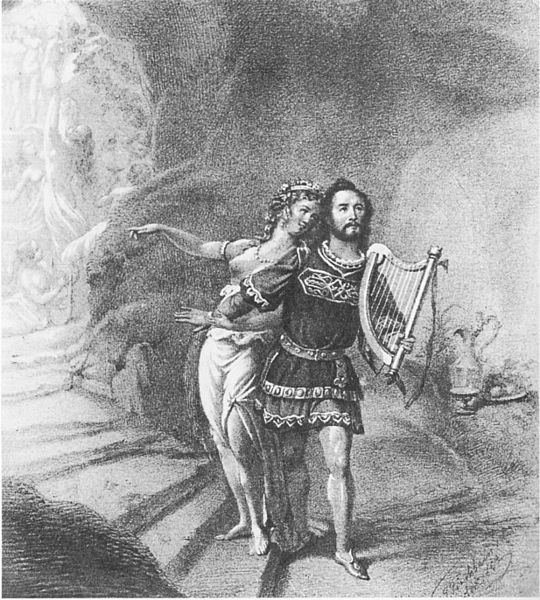
In his operas, Wagner used short, recurring musical ideas called leitmotifs (signature tunes) to portray objects, characters, situations, feelings, and emotions. The structure of his musical dramas depended on the interweaving of melodies or fragments of melody associated with characters, incidents, or ideas in the storyline. The Pilgrim's Chorus features a leitmotif representing repentance.
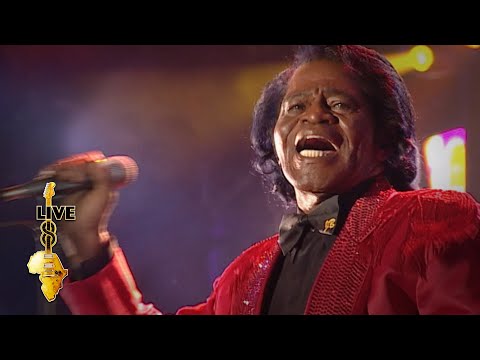
James Brown - I Got You (I Feel Good) (Live 8 2005)
Composer: Modest Mussorgsky
-
"N00511F.mp3"