
Overview
Objectives
- Recall the British blues revival tradition, which began as British musicians studied and emulated the music of Chicago blues musicians such as Howlin' Wolf and Muddy Waters
- Recall the early days of the Rolling Stones and consider how their style changed as they moved from recording mostly covers of blues music to writing their own material
- Identify the many ways in which the Rolling Stones were the opposite of the Beatles, apart from being a British rock band that was popular beginning in the middle of the 1960s
Conclusion
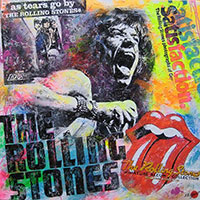
The Rolling Stones represent a different side of the British Invasion when compared to the Beatles. The Beatles were the suit-wearing Fab Four whose songs drew from Motown and Buddy Holly. The Rolling Stones were the scruffy, casually-dressed, and foul-mouthed group who started as a blues cover band and eventually became their own songwriters. Both groups have left a lasting legacy on rock and roll. In fact, the Rolling Stones continue to tour. In 2012 and 2013, the Stones toured the United States and Europe for what they called their 50 and Counting tour, in honor of the band’s fiftieth anniversary.



The Rolling Stones' "famous tongue logo was inspired by the Indian Hindu goddess Kali The Destroyer. It was designed by John Pasche, who was a student at the Royal College of Art in London when he got a gig designing a poster for The Stones 1970 European tour. Mick Jagger was wowed by the poster, so he asked Pasche to create a logo for their new record label. Jagger suggested Kali as a starting point, and Pasche incorporated Mick's mouth into the design. The logo first appeared on the inner sleeve of the Sticky Fingers album. The cover of that album was designed by Andy Warhol, who is sometimes mistakenly credited with creating the lips logo."
