
Learning Objectives
- Classify and analyze country music as something that extends past typical definitions of white, southern music, to something that blends African-American as well as Euro-American and Hispanic-American, rural and urban, the Appalachian Mountains, and the American West.
- Examine the multiple definitions of country music, from a traditional “twangy” mountain repertoire of old world to American folk songs, ballads, and gospel music, event songs, the blues, fiddle tunes, and popular vaudeville and ragtime songs and music.
- Examine the origins of country music, from the 19th century use of fiddles, guitars, banjos, and mandolins in the music of Euro-American (often Irish) and African-American performers to its popularity in the 1920s and 30s, when radio and the first audio recordings developed and Jimmie Rodgers and the Carter Family were discovered by the embryonic music industry.
- Analyze the impact of country music in hillbilly southern culture, as well as its use in western films, honky tonk bars (jazz and western swing), mid-century blue grass, and Nashville.
- Analyze what to listen for in country music, including rhythm, form, harmony, timbre, and texture.
- Examine country counter-culture, through analyses of pop singers like Ann Murray, John Denver, and Olivia Newton-John, rockers such as Gram Parsons, Bob Dylan, Neil Young, Emmylou Harris, and Linda Ronstadt, the Byrds, The Band, Willie Nelson, Waylon Jennings, Merle Haggard, and Buck Owens.
- Examine the rise of country in the 1990s when it became America´s most popular music, according to a National Endowment for the Arts survey.
Alternatives
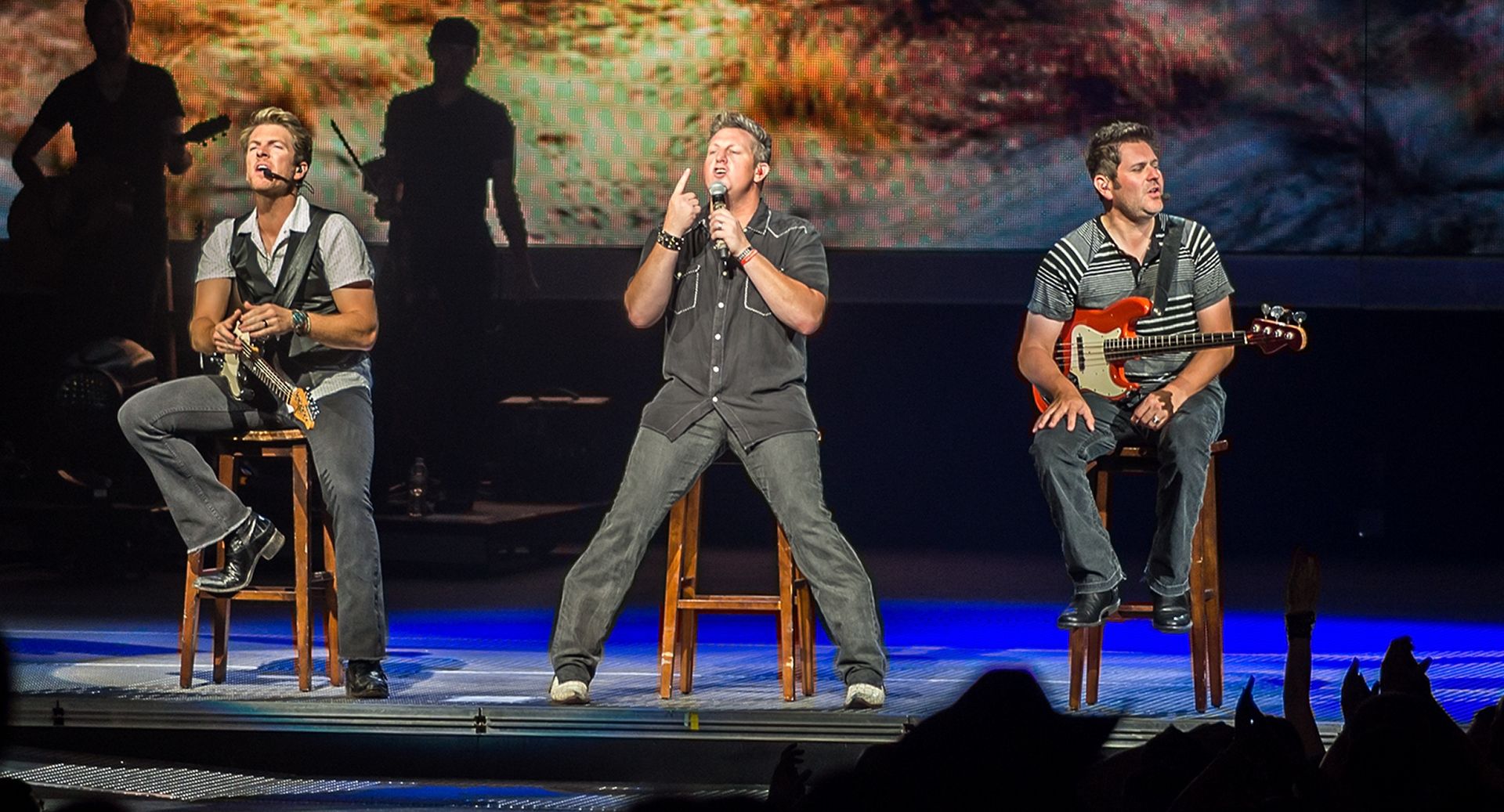
Cow-punk bands like Jason and the Scorchers in the 80s and Uncle Tupelo, Wilco, and a Wyoming cowboy named Chris LeDoux in the 90s, continued providing alternative sounds to Nashville’s traditions. Meanwhile, the new "hot country" of the 90s and 2000s featured performers like Garth Brooks, Tim McGraw, Shania Twain, Vince Gill, Faith Hill, Brad Paisley, and Kenny Chesney and had become the new Nashville establishment. LeDoux’s version of the rock classic "Life is a Highway" begins with an extended rap, further extending the musical range of country music. The popular country group Rascal Flatts covered LeDoux’s twangy rap and rock version of “Life is a Highway” a few years later, and their softer version became the theme song of the film Cars (see Discover Video).
♫  Life Is A Highway
Chris LeDoux



