
Overview
In this lesson we will look at several types of popular music from the nineteenth century, including many different types of parlor songs. All of this music was available to purchase as sheet music, and it could be performed at home. Domestic music-making was an important part of American musical life during the nineteenth century, and performing music was an acceptable pastime for women. As we will see, sheet music was carefully marketed toward different types of audiences in order to ensure maximum commercial appeal. In addition to purchasing sheet music to play at home, people also enjoyed attending blackface minstrel shows, which were the most popular form of live entertainment during the nineteenth century.
Objectives
- Recognize the earliest types of American popular music and how this music was written and sold to be played and performed
- Identify examples of different types of parlor songs
- Examine music-making before the advent of recording technology
- Define blackface minstrelsy
- Identify the renowned figures in blackface minstrelsy
Conclusion
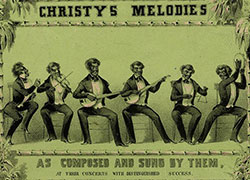
The dominant form of American popular music during the nineteenth century was sheet music, which was inexpensive to create and easy to distribute. Most homes had pianos, and music was the preferred pastime for many women. Parlor songs in particular were incredibly popular, and they addressed a variety of topics, such as patriotism, longing and separation, and social reform issues. In addition, blackface minstrelsy was a popular live form of entertainment and launched the careers of performers such as Dan Emmett and composers such as Stephen Foster.
In addition to enjoying live minstrel shows, audiences could also purchase sheet music versions of the songs that they heard during the performances. Even during the nineteenth century, popular music was fraught with many issues that would continue to resonate throughout the twentieth century, such as racism and issues of copyright and ownership.



