
Overview
The face of rock and roll music began to change in the early 1960s. The payola scandal effectively ended Alan Freed’s career, along with many other disc jockeys who had promoted rock and roll in the 1950s. With the rise of shows such as American Bandstand and the promotion of pop-oriented artists such as Frankie Avalon, Bobby Vee, and Leslie Gore, rock had changed from a forbidden fruit to an everyday commodity.
Objectives
- Examine the commercial aspects that led to many changes in rock and roll music of the early 1960s
- Examine the different interests of major record labels, television stations, and disc jockeys and the conflicts between different parties which brought unprecedented changes in the music of the era
- Discuss the role of songwriters in the creation of popular music of the time
Conclusion
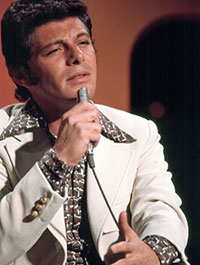
As we saw in this lesson, the major record labels took back control from radio disc jockeys and independent record labels. Through the payola scandal, Alan Freed’s career was ruined. American Bandstand soon became the primary source for teenage listeners to hear the newest hits. The 1960s also saw the rise of teen pop idols such as Frankie Avalon, Bobby Vee, and Fabian Forte Don Kirshner and his many songwriters produced hit after hit in a formula that became known as the Brill Building, after the place where the music was written. In the next lesson, we will look at other types of popular music from the early 1960s that was marketed toward a teen audience.



