
Overview
As we saw in the last lesson, the 1960s saw an increase in the control of record companies and a decrease in the power of musicians and disc jockeys. In this lesson, we will consider some other styles of music that were popular during the early 1960s and how those genres of music related to the changes in the music industry that we saw in the previous lesson. The record producer became an increasingly important part of the recording process, often considered more important to the final product than the singer. On the West Coast, the genre of surf rock emerged, capturing the hearts and minds of American teenagers.
Objectives
- Examine how and why the producer was such a critical part of the recording process, focusing specifically on Phil Spector and how he created his wall of sound
- Recognize the stylistic characteristics of surf rock
- Examine the different influences that contributed to surf rock
The Rise of the Producer
In the 1950s, many rock and roll musicians entered the recording studio with their own arrangements and interpretations of the songs they were going to record. Some artists such as Chuck Berry and Buddy Holly had written their own songs and perfected the instrumental arrangements. The artists were important participants in shaping the recording process and presenting exactly how they wanted the end product to sound. The artists exerted a remarkable amount of control over the recording process.
In contrast, the pop music artists of the late 1950s and early were subject to a different approach in the recording studio. As we saw in the previous lesson, songwriting teams became the norm in the early 1960s, especially those working in the Brill Building style for Aldon Publishing.
The process of making and recording the music was largely in the hands of an artist and repertoire (A&R) person. The A&R man was responsible for organizing and coordinating all of the professionals who participated in making the recording, such as the singers, the audio technicians, and the backup instrumentalists. The A&R man even hired the specific musicians who would appear on the tracks. Unlike rock and roll, mainstream pop's recording process was driven by the A&R man rather than by the artists themselves. However, the A&R man's responsibilities were largely managerial, not artistic.
In the early 1960s, the position of the A&R man was gradually replaced by the record produceroversaw the creation of a record’s sound by determining instrumentation, microphone placement, and sound equalization; was often held responsible for the final sound on the record. Unlike the organizational A&R man, the record producer specialized in creating a record's sound. Producers played a critical role in the recording process, determining everything from instrumentation to microphone placement to sound equalization. In many cases, producers, not the recording artists themselves, were the driving forces behind many popular songs in the 1960s. Producers frequently entered the recording studio with a specific vision for how a record was going to sound, and the performers were responsible for enacting the producer's vision rather than creating their own interpretation. For example, during one recording session, songwriter Carole King (discussed in the previous lesson) pushed aside the studio percussionist and played the timpani part herself in "Will You Still Love Me Tomorrow ♫" because the percussionist was unable to achieve the sound that King had in mind. During this time, record companies held the producers, not the recording artists, responsible for how the final recorded song sounded.
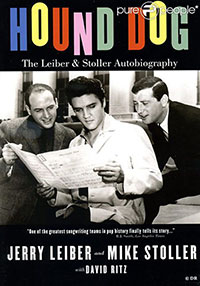
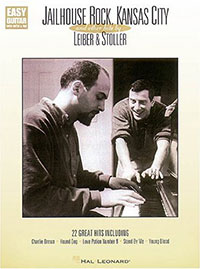
One of the most important production teams during the 1960s was Jerry Leiber and Mike Stoller. We encountered Leiber and Stoller in an earlier lesson because they were also a prolific songwriting team, penning such hits as Elvis's "Hound Dog ♫" and "Jailhouse Rock ♫." They were ambitious as songwriters, and, from the beginning, they were interested in exerting greater control over the final products they created. As we saw in an earlier lesson, they often agonized over the editing process, recording and editing upwards of fifty or sixty different takes in search of the end product that was closest to perfection. Their recording sessions were meticulously planned and organized. Leiber and Stoller were among the first songwriters to become independent producers. It was a natural extension of their instincts. "We don't write songs," they said, "we write records." They frequently gave their songs a mini-drama character, "little playlets," Leiber called them, like "Riot in Cell Block No. 9 ♫," "Smokey Joe's Cafe ♫," and "Searchin' ♫."
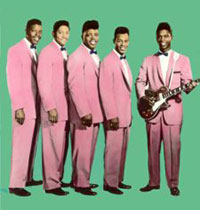
When Leiber and Stoller moved back to New York from Los Angeles, part of the West Coast group called the Robins went along. Since they went from one coast to the other, they called themselves the Coasters. The Coasters immediately became a kind of rock and roll repertory company for Leiber and Stoller, acting out the story line during live performances of songs such as "Yakety Yak ♫" and "Charlie Brown ♫." Stoller, who had a background in classical music composition, frequently composed out the instrumental solos, including the raucous, memorable saxophone solos featured in Coasters songs such as "Yakety Yak ♫," "Along Came Jones ♫," and "Charlie Brown ♫."
Leiber and Stoller were critical influences in the development of record production. Their young assistant, Phil Spector, took all their techniques to the maximum when he stepped out on his own.



