
Overview
As we saw in the last lesson, the 1960s saw an increase in the control of record companies and a decrease in the power of musicians and disc jockeys. In this lesson, we will consider some other styles of music that were popular during the early 1960s and how those genres of music related to the changes in the music industry that we saw in the previous lesson. The record producer became an increasingly important part of the recording process, often considered more important to the final product than the singer. On the West Coast, the genre of surf rock emerged, capturing the hearts and minds of American teenagers.
Objectives
- Examine how and why the producer was such a critical part of the recording process, focusing specifically on Phil Spector and how he created his wall of sound
- Recognize the stylistic characteristics of surf rock
- Examine the different influences that contributed to surf rock
Conclusion
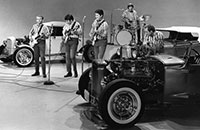
In this lesson, we saw some additional styles of popular music that occupied the charts during the early 1960s. Producers became much more important in the recording process, and as a result, the singers often decreased in importance. The producer, not the singer, was held responsible for the final sound of a recording. Nowhere was this more evident than in the girl groups, where individual singers or even the whole group could be fired at will and replaced. Another important genre that emerged in the early 1960s was surf rock, which promoted wholesome good times, surfing, and fast cars. Guitarists such as Dick Dale and Duane Eddy developed a distinctive surf rock style of guitar playing. Brian Wilson and the Beach Boys combined that surf rock guitar sound with four-part vocal harmony and tales of sun, surf, and girls to create their own brand of surf rock.



