
Overview
In this lesson, we will see the tremendous influence that British musicians exerted on American popular music during the 1960s. The sudden popularity of British rock bands in the United States is called the British Invasion. After the Beatles appeared on The Ed Sullivan Show in February 1964, the British presence in rock and roll was firmly established.
Objectives
- Recall the development of rock and roll in Britain, focusing specifically on origins and early careers of the Beatles and the Rolling Stones
- Recall the number of stylistic, personnel, and managements changes of the Beatles before settling into the image of the Fab Four in matching suits
Rock and Roll in the United Kingdom
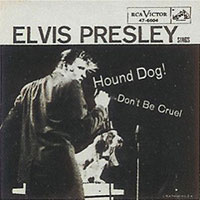
Prior to the 1960s, Britain consumed much more rock and roll than it produced. The few British rock artists who achieved some success in the 1950s and early 1960s were popular only at home and did not generate much interest from American audiences. British audiences’ understanding of American rock and roll was also closely controlled by major record labels. There were only four major labels (Decca, EMI, Philips, and Pye) and two radio stations (the BBC and Radio Luxembourg) in the UK. There were no independent radio stations in the United Kingdom, and successful independent record labels were few and far between. The BBC was owned by the government and had three channels, but only one of those channels ever played rock and roll. The BBC’s program Saturday Club began to air in 1958, and it became a major source of both rock and roll music and facts.
The majority of rock and roll music that British audiences encountered at this time was performed by white artists such as Bill Haley, Buddy Holly, and the Everly Brothers. Several white American rock and roll groups toured Britain, which also increased interest in their music. Consumers could purchase rock and roll records by white artists, but it was very difficult to access rhythm and blues records by black artists. Films featuring Elvis Presley and Alan Freed were very popular as well. The popularity of American rock and roll music on the British charts inspired the music industry to search for its counterpart to compete with rock and roll. Early on, record companies in the United Kingdom had little interest in producing records that would sell well in the United States because they first had to produce records that would sell well domestically and keep pace with the imported American rock and roll.



