
Overview
The 1960s were a period of protest and upheaval in American race relations. The Civil Rights Act had passed in 1964, and it outlawed segregation and prohibited discrimination. The Voting Rights Act of 1965 prohibited discrimination in voting practices. Martin Luther King, Jr. promoted a message of peace and solidarity, encouraging civil disobedience and peaceful protests for African Americans to ensure that they were treated equally in all areas of society. Musicians such as Sam Cooke, Curtis Mayfield, and James Brown sang about black pride and black empowerment. James Brown became one of the most important voices of black pride, earning the nickname “Soul Brother Number One.”
Objectives
- Recall the relationship between music and the American civil rights movement during the 1960s
- Recall how artists such as Curtis Mayfield and Sam Cooke advocated for civil rights in their music
- Examine the role James Brown played in the musical messages of the civil rights movement and the Black Power movement
- Identify characteristics of Brown’s musical style from this period
- Recall several other musicians who conveyed meaningful musical messages to African American audiences during the 1960s and early 1970s, such as Stevie Wonder and Sly and the Family Stone
Introduction
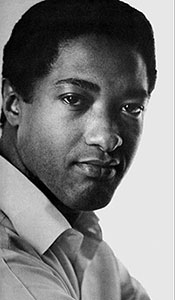
The 1960s were a period of protest and upheaval in American race relations. The Civil Rights Act of 1964 outlawed segregation and prohibited discrimination. The Voting Rights Act of 1965 prohibited discrimination in voting practices. Martin Luther King, Jr. promoted a message of peace and solidarity, encouraging civil disobedience and peaceful protests for African Americans to ensure that they were treated equally in all areas of society. Musicians also adopted these messages, and artists such as Sam Cooke, Curtis Mayfield, and James Brown sang about black pride and black empowerment. James Brown became one of the most important voices of black pride, earning the nickname "Soul Brother Number One."
In many of his songs, Brown encouraged African Americans to have pride and take charge of their own empowerment. During this period, a new musical style called funk was emerging. James Brown and his band were at the forefront of this movement, and we will see how their musical style became a definitive part of funk music.



