
Overview
As mentioned in Lesson 1, the 12-bar blues was one of the most popular African American musical forms in the early to mid-twentieth century. In this lesson, we look at the blues as a genre, focusing on two specific types: the rural blues and the urban blues. These two types of blues share many characteristics, but at the same time, they are clearly distinguishable from each other. Early blues recordings also make an excellent case study of race records and the treatment of African American musicians in the recording studio and by the recording industry. In addition, we will see some other blues-inspired music, such as boogie woogie and blues-based or blues-inspired popular songs.
Objectives
- Examine two specific types of blues to understand the musical form, instrumentation, harmony, and lyric content of each
- Examine the listenership of each type of blues music and how these musics were recorded, marketed, and consumed by both white and African American audiences
- Examine the specific aspects that are key to African American music, such as call and response and blue notes
- Identify the 12-bar blues form
- Identify the performers associated with rural blues
- Identify the performers associated with urban blues
Introduction
As we saw in the last lesson, the 12-bar blues was one of the most popular forms of African American musical expression during the twentieth century. Many of the early jazz pieces we looked at (including Dixieland and swing) were based on the 12-bar blues. In this lesson, we will look at the blues as a form of musical expression to understand what this genre meant to the people who made and listened to this music. The blues as a genre had a specific harmonic and lyric form, which we will study in detail. The blues evolved into various subgenres, and this lesson will address two of these: the rural blues and the urban blues. Studying the blues not only tells us about the music’s sonic characteristics but also about issues of race, gender, and class as they relate to the production and consumption of the blues.
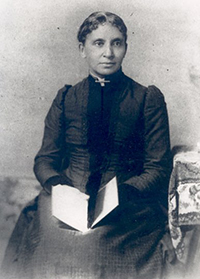
The term "blues" (or "the blues") is typically associated with a feeling of sadness or melancholy. It was not until the late 1800s that the term "blues" came into common use. The first appearance in print may have been on December 14, 1862, when Charlotte Forten, a young black school teacher in South Carolina, returned from church and wrote in her diary, "Nearly everybody was looking gay and happy, and yet I came home with the blues." By the late 1800s, the term was common, and it is still used today to indicate a melancholy feeling of no specific origin, or, perhaps, of such a complex origin as to defy analysis and description.



