
Overview
Hip-hop is a combination of four artistic mediums: graffiti, breakdancing, DJing, and MCing. In this lesson, we focus on the music of hip-hop, including the role of the DJ and the MC. Hip-hop music developed in the 1970s as a combination of aesthetics from disco, funk, and other African American and Afro-Caribbean musics. DJs began mixing, juxtaposing, and manipulating records to create new and innovative sounds, and MCs would deliver spoken messages over these sounds. By the late 1970s and early 1980s, hip-hop began to be recorded and released commercially in the United States. Some of the most commercially successful hip-hop groups of the 1980s, such as the Beastie Boys and Run-DMC, blended rap with the sounds and styles of rock music. By the late 1980s, hip-hop had become a dominant commercial force in the American popular music scene.
Objectives
- Recall the Jamaican influences on hip-hop
- Recall the role of the DJ and the MC in early hip-hop
- Recall some of the earliest commercial hip-hop and hip-hop-influenced recordings
- Examine the role rock music played in the success of groups such as Run-DMC and the Beastie Boys
Introduction
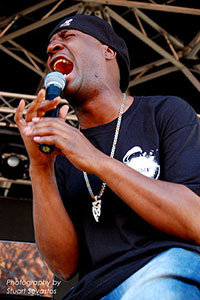
Hip-hop music developed in the 1970s as a combination of aesthetics from disco, funk, and other African American and Afro-Caribbean musics. The earliest hip-hop was played live on records at parties, and MCs would deliver spoken messages over these records. DJs such as Afrika Bambaataa and Grandmaster Flash began mixing, juxtaposing, and manipulating records to create new and innovative sounds. By the late 1970s and early 1980s, commercial hip-hop was recorded and produced on African American-owned and operated labels such as Sugar Hill Records and Def Jam. Some of the most commercially successful hip-hop groups blended rap with the sounds and styles of rock music, which lent them tremendous crossover appeal with white listeners and fans of rock music. By the late 1980s, hip-hop had become a dominant commercial force in the American popular music scene.

“How you act, walk, look and talk is all part of Hip Hop culture. And the music is colorless. Hip Hop music is made from Black, brown, yellow, red and white.”


