
Overview
Objectives
- Identify several musical and cultural predecessors of disco music
- Recall the influence of the gay community and the Stonewall Riots on disco music
- Identify several defining features of the style of disco music
- Examine several significant disco artists and their contributions during the 1970s
Conclusion
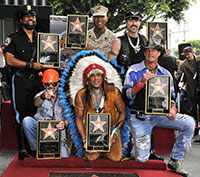
Originating in European-style discotheques and clubs that provided a sense of community to gays and lesbians, disco was unlike other styles of popular music in the 1970s for many reasons. The songs were designed for dancing, and the beat was often more important than the song’s lyrics. The songs were recorded by studio musicians, edited by a producer, and performed live by a DJ, which was a stark contrast to rock music. Disco inspired and helped popularize new technological developments, such as the dual turntable setup, the mixer, and the 12-inch single.
Despite disco’s popularity and commercial success in the late 1970s, it had plenty of outspoken critics. By the early 1980s, the term "disco" had largely disappeared from contemporary parlance. Now, dance-oriented recordings were labeled "dance music," "dance-oriented rock" (or DOR), and hi-NRG.

“Disco satisfied social as well as musical needs. Disco people got to dress up all the time and go to places ... where everybody sort of 'looked good'”

“Disco was like the celebration of music through dance and my God! When you heard the music sometimes it was like, if you don't get up and dance, you aren't human!”

