
Overview
Objectives
- Examine some of the musical characteristics of the earliest rock and roll hits and how these musical genres relate to earlier genres studied in the previous lessons such as blues, gospel music, rhythm and blues, and hillbilly music
- Describe the technological changes and its impact in the music industry
- Examine the influence of disc jockey Alan Freed
- Identify various rhythm and blues artists
- Examine some of the ways that white artists modified the music of black artists in their cover versions
Conclusion
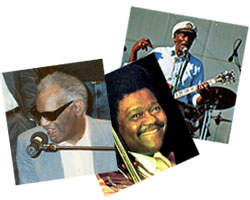
Disc jockey Alan Freed began using the term "rock and roll" in the 1950s as a way to market rhythm and blues to a white audience. The invention of Top 40 radio and the increased availability of radios expanded the listening audience for rock and roll. Early rock and roll artists such as Chuck Berry, Ray Charles, Fats Domino, Big Joe Turner, and Little Richard combined elements of earlier rhythm and blues with country and western music, the 12-bar blues, and new advances in instrument amplification. Although some of these artists did achieve commercial success, their sales were dwarfed by white artists’ cover versions of their songs. In the next lesson, we will look at the most legendary rock and roll artist of all: Elvis Presley.



"Bill Haley's cover of "Rock Around The Clock" was the original opening theme song for the TV show Happy Days from 1974 until 1976 when the theme was changed to "Happy Days.""
