
Overview
Objectives
- Examine how and why the producer was such a critical part of the recording process, focusing specifically on Phil Spector and how he created his wall of sound
- Recognize the stylistic characteristics of surf rock
- Examine the different influences that contributed to surf rock
Girl Groups
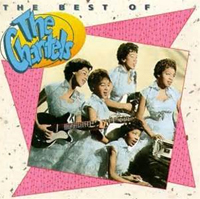
As the producer became an increasingly important part of the recording process, the singers became largely interchangeable, to the point of being disposable. Nowhere was this more apparent than in the phenomenon of the early 1960s girl groups. The pop charts of the early 1960s were filled with hit singles by groups such as the Chantels, the Chiffons, the Cookies, the Crystals, the Dixie Cups, the Ronettes, and the Shirelles. Blending the pop song formulas of the Brill Building with young female African American singers ensured that the records would consistently achieve crossover success between the pop charts and the rhythm and blues charts.
Many producers had these girl groups at their disposals for recording sessions. These female vocal groups were almost always composed of black teenage girls who had little to no professional experience. Unlike the teen idols such as Frankie Avalon and Fabian Forte described in the previous lesson, the members of these girl groups were often very talented vocalists. But, in general, the most important decisions during the recording sessions were made by the record producer, not by the singers.

As a result, the members of the groups could be dropped or swapped out at will. In the case of the Crystals, the entire group could be eliminated and then replaced with new singers. This process afforded a tremendous amount of control to both the producer and the record company. If any of the performers were troublesome in any way, they could simply be fired and replaced with a new singer who was eager to step up.
The music of the girl groups from the early 1960s represents an interesting paradox, because the members of groups such as the Ronettes, the Crystals, and the Shirelles could be dropped at a moment’s notice. The singers were just another layer of the sound that producers were creating, not the stars of the performance or the artistic innovators. For the first time, the people behind the scenes were just as important artistically as the singers, if not more so.



