
Overview
Objectives
- Examine some of the musical characteristics of the earliest rock and roll hits and how these musical genres relate to earlier genres studied in the previous lessons such as blues, gospel music, rhythm and blues, and hillbilly music
- Describe the technological changes and its impact in the music industry
- Examine the influence of disc jockey Alan Freed
- Identify various rhythm and blues artists
- Examine some of the ways that white artists modified the music of black artists in their cover versions
Alan Freed
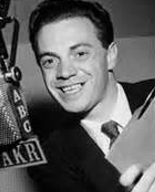
With the rise of radio and top 40 radio, the disc jockey the person who introduces and plays music on the radio emerged as one of popular music’s most important promoters. The most important disc jockey of the era, and indeed, one of the most important figures in the promotion of early rock and roll music, was Alan Freed. Trained in trombone and music theory, Freed was quite successful with his early evening classical music program. As he saw the musical and commercial appeal of African American popular music, he began promoting this new music to his listeners.
Freed obtained permission from the station owner to follow his classical program with a program of rhythm and blues music. Aware that the term "rhythm and blues" would likely drive away his white audience, Freed picked up the phrase rock and roll term used by Alan Freed to describe the rhythm and blues style of African American music he played on the radio from a rhythm and blues recording and began using "rock and roll" instead of "rhythm and blues" to describe the African American popular music that he was playing. It is still not known whether or not Freed knew that the term "rock and roll" was used as a slang term in the African American community as a euphemism for sex. Regardless, "rock and roll" is typically used to describe rhythm and blues music from the 1950s that was geared to an audience of teenaged radio listeners, black or white.
Freed was an exciting personality to hear on the radio. He would often shout "Yeah, yeah, yeah!" and "Go, man, go!" into the microphone while he pounded on a telephone book in rhythm to the music. As his theme song, he chose a King Records release by Todd Rhodes called "Blues for Moondog," and he therefore called his show The Moon Dog Rock and Roll House Party. He even began to call himself "Moon Dog." Shortly later, a blind New York street musician named Moon Dog sued the station, and after a $5000 settlement, the name of the show was changed to Alan Freed’s Rock ‘n’ Roll Party.
Freed used his celebrity to promote black musicians despite the racism that was still rampant in American society. He sponsored concerts which featured Charles Brown, the Orioles, the Moonglows, the Dominoes, and many other rhythm and blues acts. In March of 1953, he sold eighteen thousand tickets for an auditorium that had only nine thousand seats. When eighteen thousand screaming teenagers appeared, he had to cancel the show, and police vans hauled away the rioting youngsters to cool them off in jail for a few hours. In 1954, at age 33, Freed went to WINS in New York, and was soon making nearly a millions dollars a year—not only playing, but selling records over the air, along with dozens of other teenage commodities made by his sponsors. He became a spokesman for the new teenage subculture, and soon he appeared in three movies, Don’t Knock the Rock, Rock, Rock, Rock, and Rock Around the Clock.
Freed used many different tactics to promote recordings on-air, and not all of them were exactly legal or even ethical. He accepted bribes from record companies to play their recordings. He struck deals with singers and songwriters in exchange for top spots on his programs. For example, in return for being listed as co-author on Chuck Berry’s "Maybellene ♫," Freed promoted the record on his Cleveland radio show, and it rose to number 1 in the rhythm and blues charts and number 5 in the pop charts. Freed eventually was summoned before Congress and indicted for accepting bribes from record companies to push their recordings, which we will discuss in greater detail in later lessons. Regardless of the tactics he used to promote this new popular music, Freed was one of the driving forces behind the popularity of this new rock and roll music.
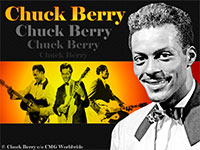



"Before music, Chuck Berry worked as a carpenter, a freelance photographer, auto plant janitor, and hairdresser."
