
Overview
In an earlier lesson, we encountered a number of subgenres of country and western music that became popular during the 1940s, such as the country crooner and honky-tonk. In this lesson, we will focus specifically on the genre of bluegrass. Bluegrass music had had devoted followers since its earliest days, but during the 1960s, more and more people came to listen to and appreciate the music. The folk revival movement, coupled with mainstream exposure in Hollywood films, introduced a new generation of listeners to bluegrass.
Objectives
- Identify three key figures of bluegrass: Bill Monroe, Earl Scruggs, and Lester Flatt
- Examine the three musicians and the key characteristics of bluegrass music, such as instrumental techniques, instrumental combinations, and the connections between bluegrass music and earlier types of hillbilly music such as the string band
Introduction
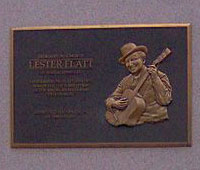
In an earlier lesson, we encountered a number of subgenres of country and western music that became popular during the 1940s, such as the country crooner and honky-tonk. In this lesson, we will focus specifically on the genre of bluegrass. Bill Monroe is generally considered to be the father of bluegrass. His band started the careers of two other crucial figures in bluegrass music, Lester Flatt and Earl Scruggs. Bluegrass music had had devoted followers since its earliest days in the 1940s, but during the 1960s, more and more people came to listen to and appreciate the music. The folk revival movement, coupled with mainstream exposure in Hollywood films, introduced a new generation of listeners to bluegrass.



