





Brass 2
The Trombone
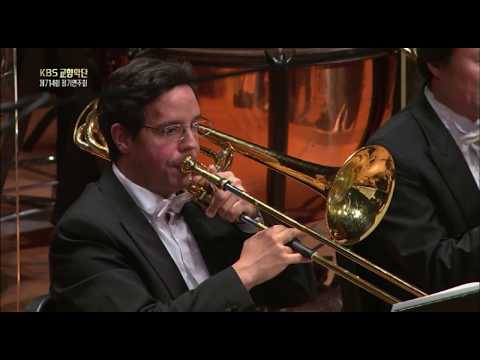
The name trombone is derived from the Italian term tromba, for trumpet. In a manner of speaking, a trombone may be considered a big trumpet. The trombone appeared around the middle of the 15th century. It was frequently used in church music to support the singers' voices.

Improvements were made in the construction of the instrument throughout the 16th and 17th centuries, and it became an essential instrument in town and court bands. In the 17th century, there were four different types of trombones, one for each register (high to low). Now, only two are consistently used: the tenor and the bass trombone.
Like the trumpet, the trombone has a cylindrical bore extending into a bell. However, rather than using valves as with the trumpet or the horn, trombonists change pitch with a slide that has seven positions, from fully retracted (pulled all the way in) to fully extended. The movement of the slide alters the length of the air column inside the instrument. Up until the 18th century, the trombone was called sackbut, which, translated from the French, meant "push-pull." (In Old French sacquer meant "to draw out.") However, some notes are produced by the tightening or loosening of the player's lips rather than moving the slide.
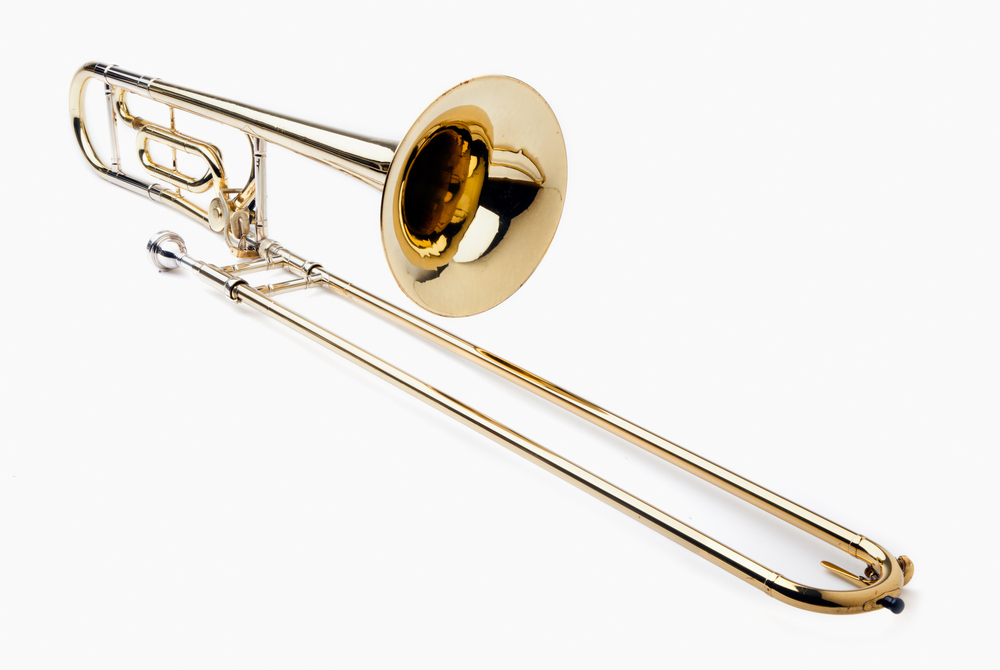
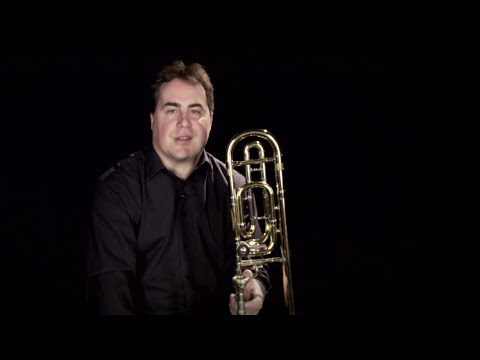
The Trombone
Philharmonia Orchestra
The word "sackbut" first appears in court records in 1495 as "shakbusshe" at about the time King Henry VII married a Portuguese princess who brought musicians with her. "Shakbusshe" is similar to "sacabuche", attested in Spain as early as 1478. The French equivalent "saqueboute" appears in 1466.
The trombone has been popular with composers from all periods and across musical styles. It has become an integral part of the modern symphony orchestra, as well as jazz and Latin bands.
A person who plays the trombone is called a trombonist or trombone player.
Listening Examples
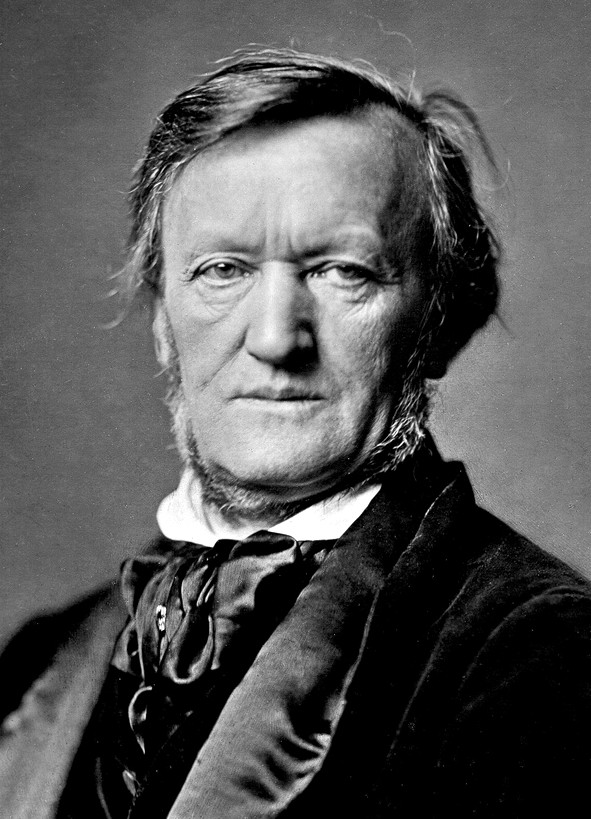
Composer: Richard Wagner
-
"Die Walküre: Ride of the Valkyries" [ 04:02-04:17 ]00:15
The Tuba
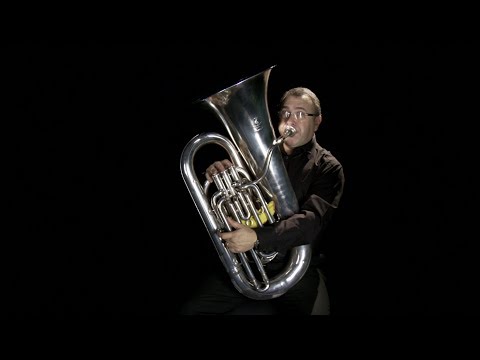
The tuba (from the Latin tube, meaning "trumpet") is the lowest-pitched instrument of the brass family, with a deep, cup-shaped mouthpiece and an upward pointing bell. It features a range of more than three octaves.
A Prussian bandmaster, Wilhelm Wieprecht, and a German builder, Johann Gottfried Moritz, invented the modern tuba in 1835. It is called the modern tuba to distinguish it from another instrument that was also called the tuba: a straight-built trumpet from ancient Rome. The Roman tuba is not to be confused with the modern tuba; they simply happen to share the same name.
As with all brass instruments, the sound is produced by lip vibration, or a buzz, into a large mouthpiece. It first appeared in the mid-19th century, making it one of the newer instruments in the modern orchestra and concert band. The tuba largely replaced the ophicleide.
In the United States, a person who plays the tuba is known as a tubaist or tubist. In the United Kingdom, a person who plays the tuba in an orchestra is known simply as a tuba player; in a brass band or military band, they are known as bass players.
The Tuba
Philharmonia Orchestra
Listening Examples
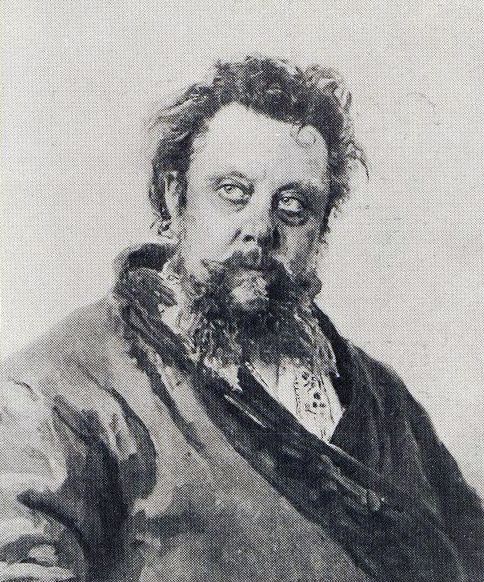
Mussorgsky also features the tuba in "Bydlo," the fourth movement in his celebrated 10-movement suite, Pictures at an Exhibition. This suite was inspired by an exhibition of paintings by Mussorgsky's friend Viktor Hartmann (1834–1873). "Bydlo" evokes Hartmann's painting of two tired oxen pulling a heavy cart.
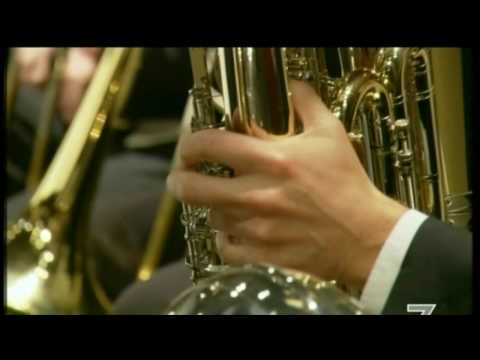
"Bydlo" from "Pictures at an Exhibition" (Gergiev, Filarmonica della Scala)
Composer: Modest Mussorgsky
-
"Pictures at an Exhibition: IV. Bydło"
Vaughan William's Tuba Concerto in F minor—whose first movement is titled Prelude—was composed roughly 125 years after the invention of the tuba, and first performed on June 13, 1954 by the London Symphony Orchestra and Philip Catalinet, its principal tubist. Dedicated to the entire orchestra on their 50th anniversary, it was the composer's last work for solo instrument and orchestra. The originality and freshness of the piece, which belies Vaughan William's advanced age at the time (he was 82), made it one of his most popular works. Apart from the solo tuba, it is scored for two flutes (2nd doubling on piccolo), oboe, 2 clarinets (in B-flat), bassoon, 2 horns (in F), 2 trumpets (in B-flat), 2 trombones, timpani, triangle, side drum, bass drum, cymbals, and strings.
Composer: Ralph Vaughan Williams
-
"Tuba Concerto in F Minor: I: Prelude"