
Overview
In the 1910s and 1920s, new types of musical theater were emerging on the American stage. Vaudeville, which had been the main type of musical and theatrical entertainment since the late 1800s, remained popular. Revues such as the Ziegfeld Follies included a series of popular tunes, skits, and dance numbers. The book musical was a play that included several songs performed by the characters. Composers such as Irving Berlin, Jerome Kern, and George and Ira Gershwin wrote hundreds of songs for these musical theater productions. Although most of the American musicals that were written during this era have been forgotten, their songs survive in what are known as standards.
Objectives
- Examine the transitional period between Tin Pan Alley songs and the rise of the Broadway musical
- Identify a number of important early composers and lyricists of Broadway songs such as George and Ira Gershwin, Irving Berlin, and Cole Porter
- Examine how and why many of the songs from these musicals survived long after musicals themselves flopped or were canceled
Conclusion
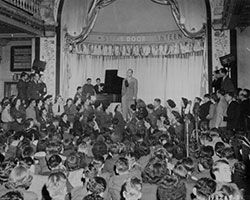
Many composers and lyricists wrote songs for vaudeville, revues, and book musicals. Revues stitched together songs and skits, while book musicals told a single story that was embellished with musical numbers. For the most part, early book musicals did not survive more than a season or two. However, many book musicals from this period contained songs by Cole Porter, George and Ira Gershwin, and Richard Rodgers and Lorenz Hart that have outlived the musicals for which they were originally written. The musicals themselves may have been forgotten, but the standards, in the hands of performers such as Ella Fitzgerald and Bing Crosby, continue to live in recordings and performances.



