
SUBJECT: Folk Music, Jazz, and Art Music
Grade Level: 9 - 12
LESSON OBJECTIVES
Students will:
- Explain the main differences between music labeled as high art, low art, art music, jazz, popular music, and folk music
- Define the following musical terms: blue note, folk music, jazz, improvisation, music notation, mutes, oral tradition, repertoire, riffs, score, solo, and variation
COMMON CORE STANDARDS
Add district, state and/or national standards as is applicable to your area.
Preparatory Activities
10 minutes
- Review the class content and share definition of the following:
- Folk music
- Popular music
- Jazz
- Art music
- Repertoire
Class Activities
Share music examples and have students identify differences.

Norah Jones Greatest Hits of 2021
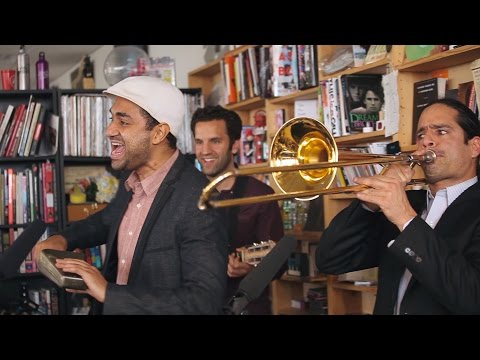
Los Hacheros: NPR Music Tiny Desk Concert

Justin Bieber - Love Yourself (Official Video)
Resources/Materials
Composer: John Williams
-
"Star Wars: Princess Leia Theme"

STAR WARS - PRINCESS LEIA THEME
Composer: Johann Sebastian Bach
-
"Cello Suite No. 1 in G Major, BWV 1007: III. Courante"

Bach - Cello Suite No.1 iii-Courante
Composer: Leonard Bernstein
-
"West Side Story: Act I: Maria"

West Side Story (3/10) Movie CLIP - Maria (1961) HD
Composer: Duke Ellington
-
"Black and Tan Fantasy"

"Black and Tan Fantasy" Garfield Jazz Ensemble, Essentially Ellington 2014
Composer: John Cage
-
"Amores: I. Solo for prepared piano"

Amores: 1. Solo for Prepared Piano
Composer: Erik Satie
-
"3 Gymnopédies: No. 1"

Khatia Buniatishvili - Erik Satie: Gymnopédie No.1
Composer: Anonymous
-
"Spirituals: Amazing Grace"

Aretha Franklin - Amazing Grace (Live at New Temple Missionary Baptist Church, 1972)
Composer: Traditional
-
"When the Saints Go Marching In (Arr. R. Hayman)"

Louis Armstrong - When The Saints Go Marching In
Composer: Duke Ellington
-
"Black and Tan Fantasy"
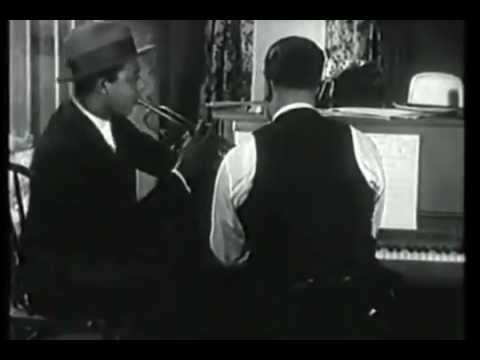
Black and Tan Fantasy (1929) - Duke Ellington
INSTRUCTIONAL SEQUENCE
TIME
Whole Group Instruction
- Present each genre covered in the class and discuss into which category each of the following works falls.
- Star Wars: Princess Leia Theme
- Cello Suite No. 1 in G Major, BWV 1007: III. Courante
- West Side Story: Act 1: Maria
- Estancia: Malambo
- Amores: 1: Solo for prepared piano
- Gymnopedie No. 1
- Amazing Grace
- When the Saints Go Marching In
- Black and Tan Fantasy
- Emphasize that some compositions may fall into more than category.
- As students make choices regarding the specific genre, guide students to identify the attributes and/or characteristics found in each composition that place it within the category.
- Encourage students to use vocabulary found within the class (i.e., riffs, blue notes, notation, improvisation, oral tradition, etc.)
- Compare and contrast the four genres related these to the context (heritage, culture, nationality, etc.) of each composer or performer.
20 - 30 minutes
Group Practice/Small Group Instruction
- Ask students to add examples to each genre covered in the class.
- Students should be able to answer the question “What musical characteristics led you to place a music example within a specific category?” using the vocabulary emphasized in the class.
15 - 20 minutes
Closing Activites/Summary
- Each group or individual student should report back their additional examples to each column and their reasons why, or why not, each example belongs in a specific category.
- Discussion differences in choices.
5 - 10 minutes
Evaluation/Assessment 5=Best, 1=Least
- Students were able to discuss the four musical styles with some fluency. 5 4 3 2 1
- Students identified each of the music compositions citing music elements such as genre, as appropriate. 5 4 3 2 1
- Students compared and contrasted the four genres of music works citing influences from the performer/ composer’s heritage and experiences. 5 4 3 2 1
Extension/Enrichment/Re-teaching/Accommodations
- Assign a specific work from the list to each student and have he/she prepare a short paragraph on how the musical work is appropriate for a specific audience or context.