Overview:
Curriculum and the design of effective lesson plans are central to every classroom experience. Students will discover the essential parts of an effective lesson plan and how these elements are influenced by the formal curriculum.
Objectives:
Students will be able to:
- Describe the foundations for curriculum development.
- Define the elements of an effective curriculum.
- Identify and describe age- and grade-appropriate music behaviors for elementary school students.
- Identify the auxiliary components (media, materials, texts) that assist in implementing music activities and curriculum.
- Begin to identify instructional music strategies for younger students.
Cooperative Learning Activities
Music experiences easily lend themselves to cooperative learning activities. As students work together, they can provide new insights into the concepts, correct misinformation and understanding, and reinforce the other students' responses. Some of the following cooperative learning activities are appropriate for older students in grades three through grade six, who have experienced a solid foundation in music concepts.
- Students work in groups to decide and mark where the accent groupings occur in a well-known chant/rhyme/song then perform together as a group for class with body percussion
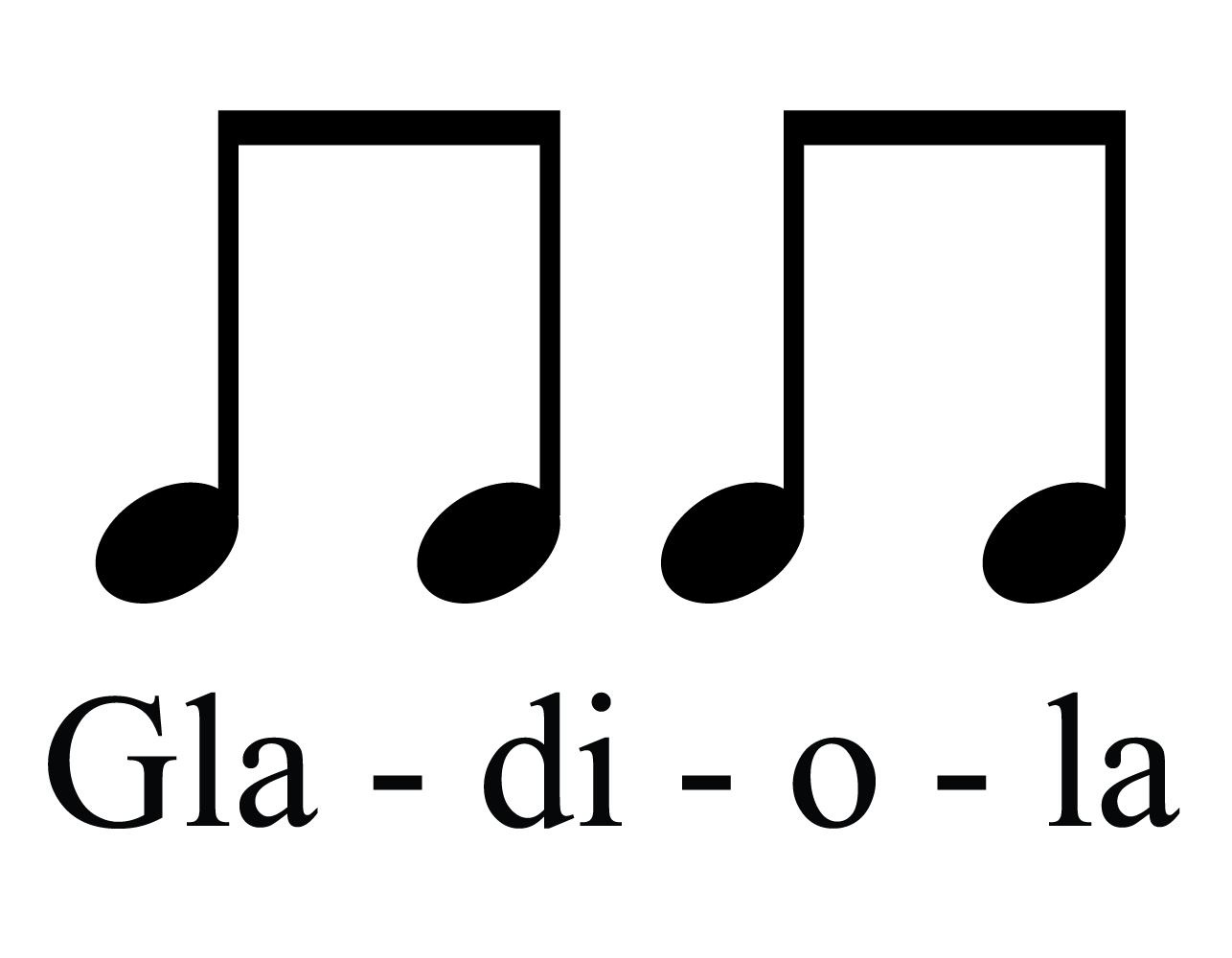
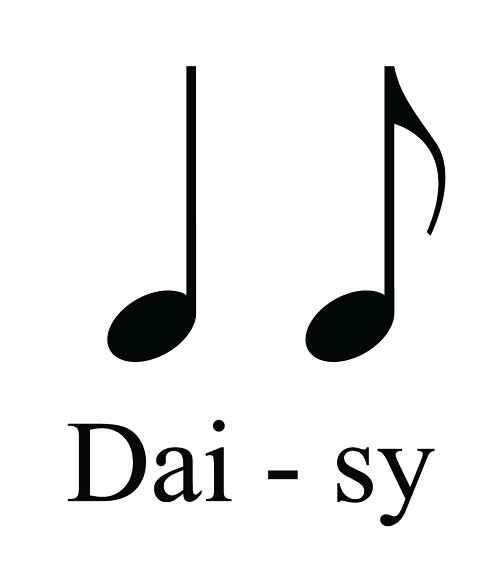
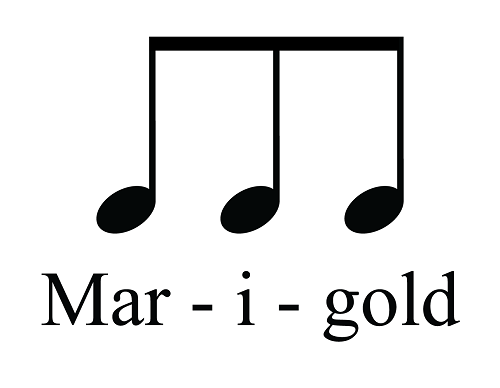
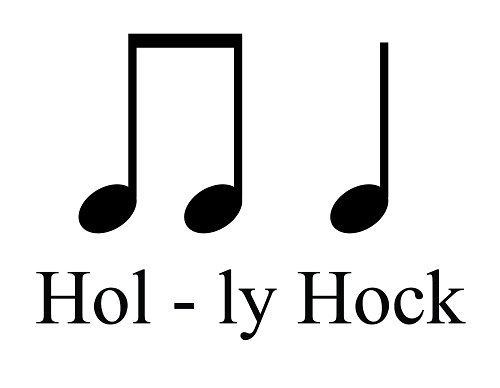
- Student groups are given a 4-6 measure rhythmic line with different rhythmic combinations. Each group is assigned a "topic" i.e. flowers, trees, animals, etc. appropriate to grade level and are asked to find different types of their assigned topic for each rhythmic combination
Technology is an important informal and formal assessment tool in music instruction, especially because of the high student-to-teacher ratios in the elementary music classroom. Audio and/or video recordings of classroom activities can be used to review work in the class, or even to review teacher presentation. A distinct advantage of a recording is that it can be reviewed outside of class time. Uninterrupted and unlimited time for review aids the teacher in identifying strengths and weaknesses of individual students, of lessons, or of teacher preparation.