Generating page narration, please wait...

Overview
The 1960s were a period of protest and upheaval in American race relations. The Civil Rights Act had passed in 1964, and it outlawed segregation and prohibited discrimination. The Voting Rights Act of 1965 prohibited discrimination in voting practices. Martin Luther King, Jr. promoted a message of peace and solidarity, encouraging civil disobedience and peaceful protests as African Americans worked to ensure that they were treated equally in all areas of society. Musicians such as Sam Cooke, Curtis Mayfield, and James Brown sang about black pride and black empowerment. James Brown and his band recorded some of the earliest examples of funk music. Artists such as Sly and the Family Stone and George Clinton developed their unique approaches to funk music during the late 1960s and early 1970s.
Objectives
- Examine the relationship between music and the American civil rights movement during the 1960s
- Identify characteristics of Brown’s musical style from this period
- Identify some of the defining features and characteristics of funk music
- Recall the significance of Sly and the Family Stone in the development of funk music
- Examine the role George Clinton played in funk music during the 1970s with P-funk genre
- Examine how popular media such as Blaxploitation films and television programs helped promote African American music and musicians
Introduction
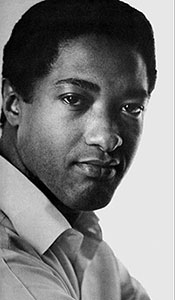
The 1960s were a period of protest and upheaval in American race relations. The Civil Rights Act of 1964 outlawed segregation and prohibited discrimination. The Voting Rights Act of 1965 prohibited discrimination in voting practices. Martin Luther King, Jr. promoted a message of peace and solidarity, encouraging civil disobedience and peaceful protests as African Americans worked to ensure that they were treated equally in all areas of society. Musicians also adopted these messages, and artists such as Sam Cooke, Curtis Mayfield, and James Brown sang about black pride and black empowerment.

“Soul music is true to its name. It's music that connects to your soul, your spirit. When music resonates with people's spirit like that, when people can emotionally connect with something or it helps to heal them, transform them, that never goes out of style. People will always need something to relate to.”
-Andra Day

“Soul was the music made by and for black people. For most of the Sixties it was thoroughly divorced from white popular music, but by the end of the decade several artists with their roots firmly in both soul and R&B traditions had crossed over.”
-Jon Landau

"In the '60s and '70s, [James Brown] regularly topped the R&B charts, and although he never had a #1 Pop hit, he charted 96 songs on the Hot 100, second only to Elvis."
