Overview:
Music has been considered important academic discipline for several centuries. The Ancient Greeks considered music to be an integral of a liberal arts education and placed it within the quadrivium subjects (arithmetic, geometry, music and astronomy) to be taught after the trivium (grammar, logic, and rhetoric). In the United States, music is a core subject in the curriculum. Studying the history of music and the origins of music education helps us understand how our current study of music is different from or similar to other periods.
Objectives:
Students will be able to:
- Examine and describe the history of elementary school music curriculum in the United States,
- Describe the rationale for the inclusion of music in the elementary school curriculum,
- Identify the early influences on the development of elementary general music in the United States,
- Identify and describe the principles of early educators, including Johann Pestalozzi, Hans Georg Nägeli, and Lowell Mason,
- Identify the differences between early public school music education and contemporary programs.
How is Music Education Different Today?
With the death of Mason in 1872, his theories began to lose their popularity. Less emphasis was placed on music reading, and it was accepted that the classroom teacher—rather than the music specialist—should teach music. While singing remains an important component to elementary music classes, the content has expanded to include many other types of experiences, including movement, playing instruments, multicultural music, composition, and more.
Courses of study in music — music series —provide the core to a wide-ranging curriculum. Referred to as “basal series books,” publishers have included supplemental materials, visual aids, recordings, and software programs to assist the music specialist in presenting comprehensive music lessons.
In the early twentieth century, music educator organizations were founded, including the Music Supervisors National Conference (later to become the Music Educators National Conference and subsequently the National Association for Music Education). Programs dedicated to training music specialists were also developed during the early years of the twentieth century. In 1922, Oberlin College in Ohio established the first four-year school music training course — an undergraduate degree in music education. Educational programs for music teachers at most colleges and universities include an emphasis on one or several of the methodologies or approaches (Dalcroze, Orff, Kodaly, Gordon, etc.).
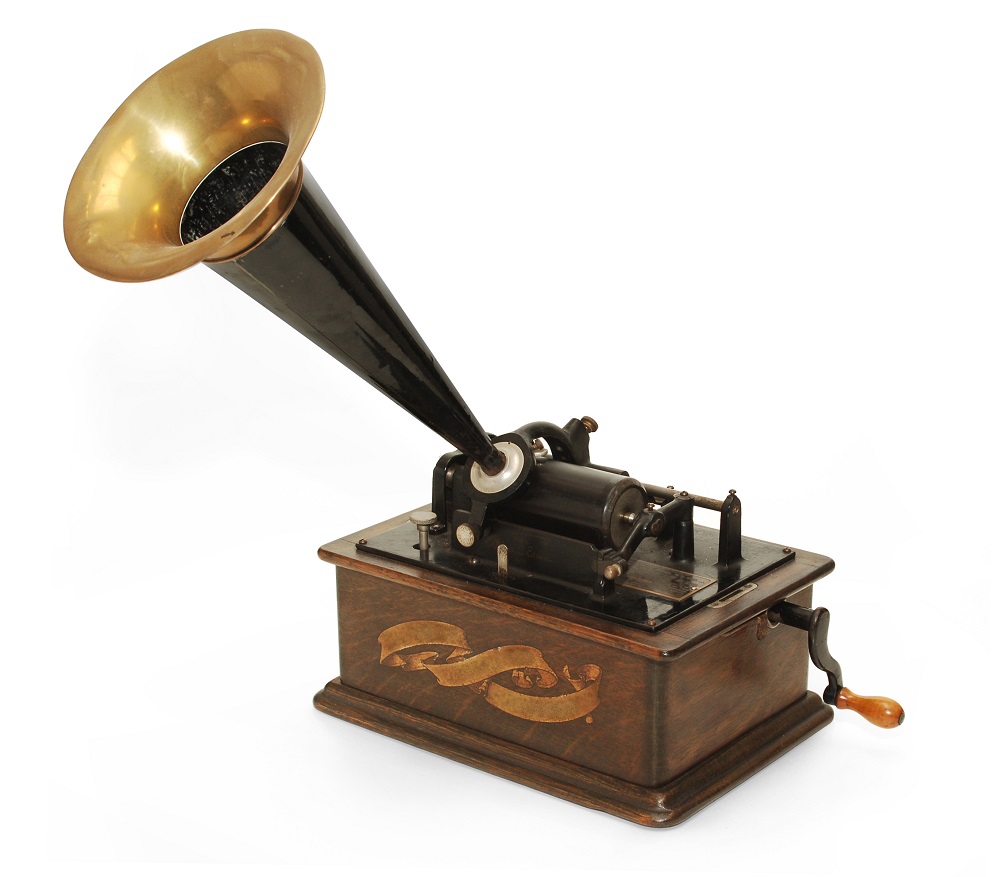
Two separate developments occurred in the early 1900s that dramatically changed the teaching of music in public schools. First, the invention of the phonograph, as well as the radio, made it possible for the music specialist and the classroom teacher to introduce musical performances of the highest quality. This enabled the students to listen to a wide variety of music performances.
The electronic reproduction of sound and, in recent years, the development of computer technology has created unending possibilities of teaching and learning experiences for the music teacher and student.
Second, the proliferation of educational research, particularly in areas of music teaching and learning, has had profound effects on music curricula. In today's music class, there is no excuse to ignore developmental and learning issues.