




Keyboard Instruments
Introduction
Keyboard instruments are sometimes included as part of the orchestra. More often, however, they are featured as solo instruments in music events called recitals, where a soloist plays alone, or in a concerto where a soloist plays accompanied by an orchestra. Keyboard instruments are also widely used to accompany voices or other instruments. In fact, the written repertoire for keyboard instruments is the largest of any instrument family.
Composer: Sergei Rachmaninoff
-
"Morceaux de fantaisie, Op. 3: No. 1. Elegie in E-Flat Minor"
Composer: Wolfgang Amadeus Mozart
-
"Piano Concerto No. 21 in C Major, K. 467: II. Andante (Featured in "
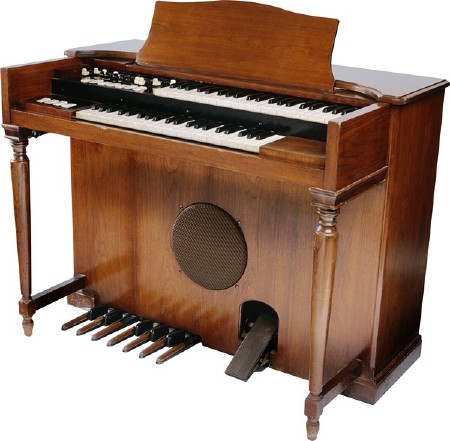
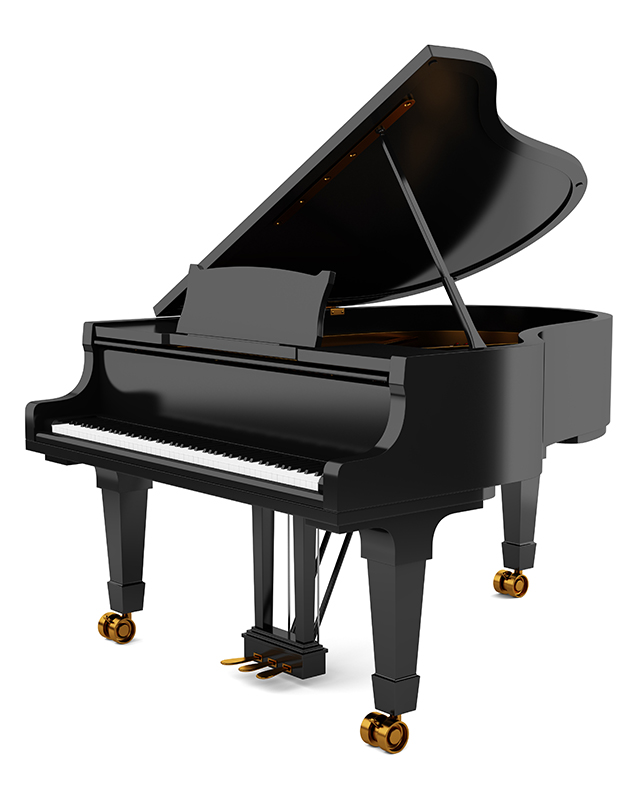
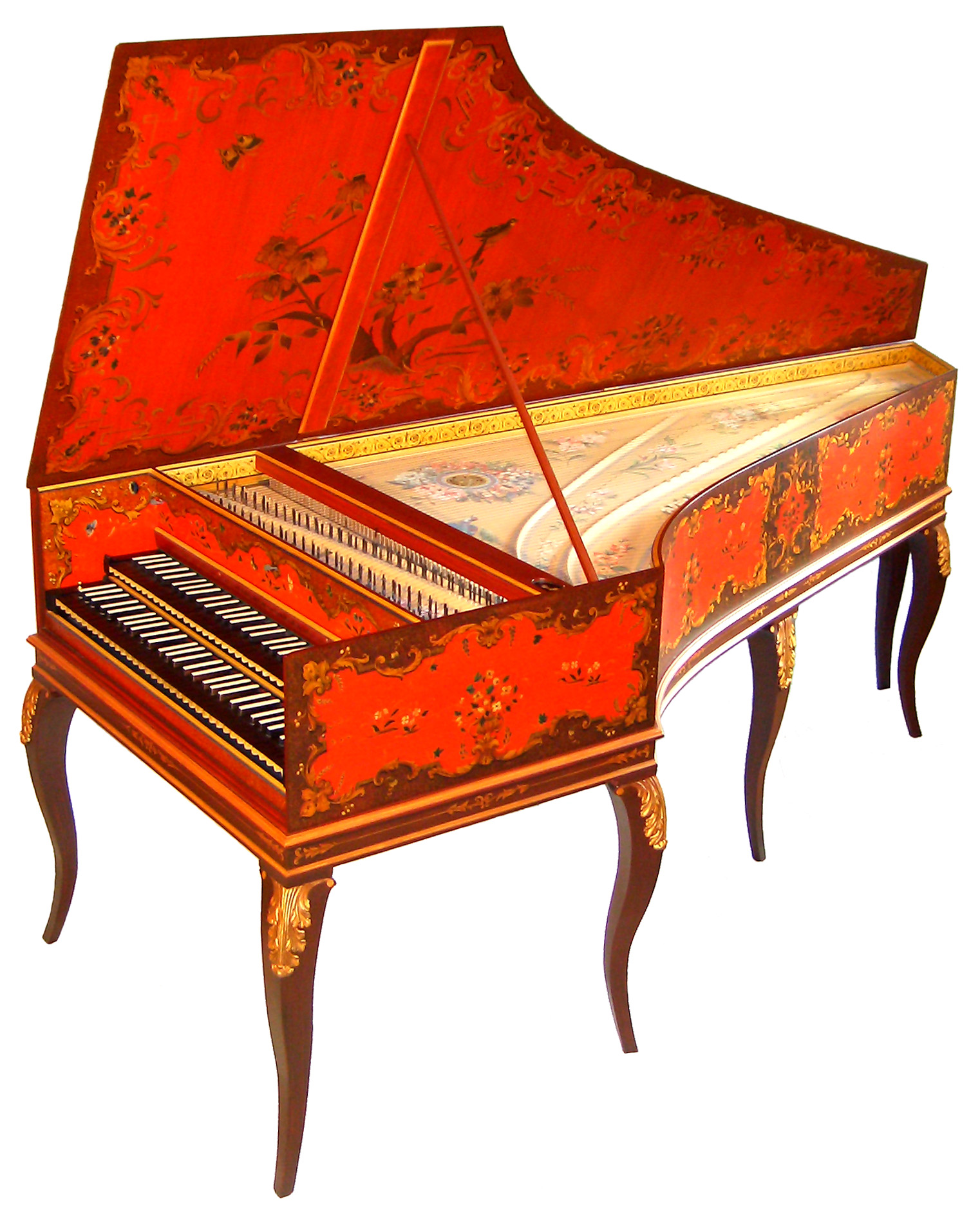
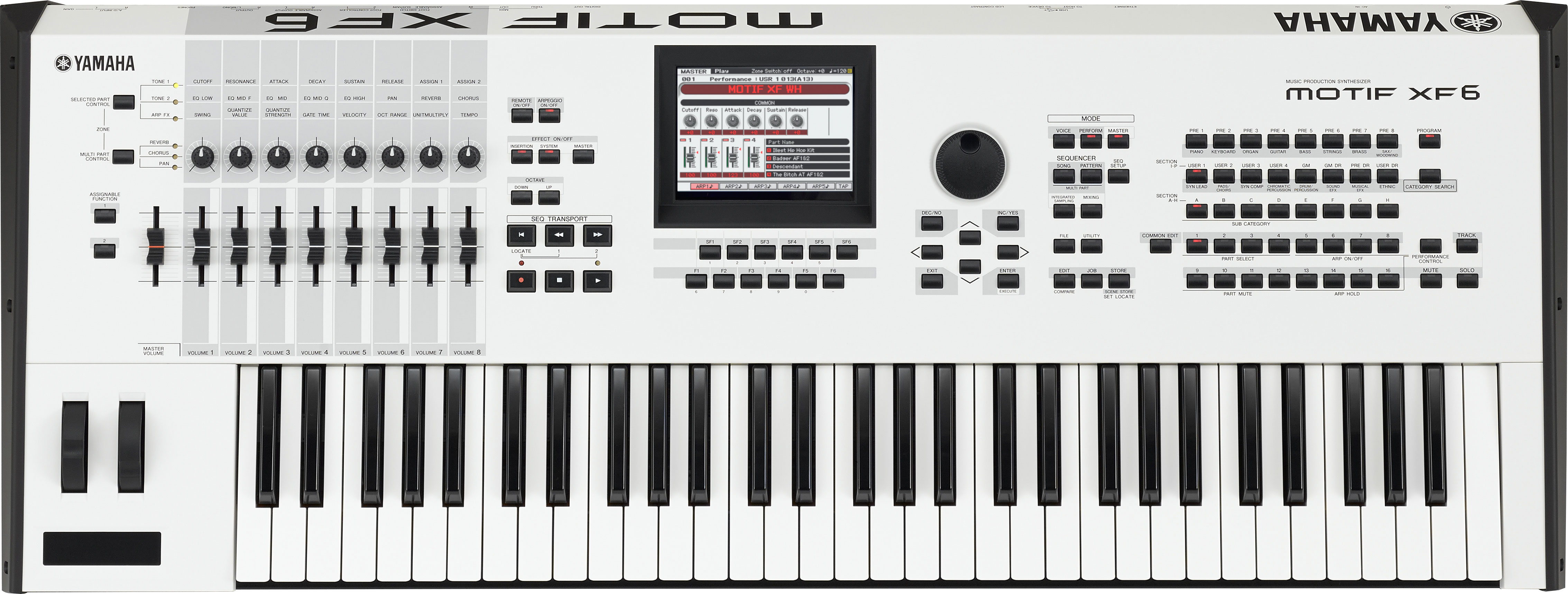
The category of keyboard instruments is unique in that it refers to the technique required to play the instrument (to wit, using a keyboard). However, from that starting point, there are significant differences between members of this category. Take, for example, the organ, piano, harpsichord, and synthesizer. While all four use a keyboard to control sound and feature a set of keys that correspond to unique pitches, each instrument also employs an entirely different mechanism to produce sound, and they are all built very differently. As a result, their individual timbres are distinct, and it is easy to tell them apart.
The synthesizer is a unique case unto itself. Although pitches are selected (i.e. controlled) using the familiar keyboard interface—which is why the keyboard is also referred to as controller in electronic instruments—the synthesizer is usually classified as an electrophone. This incredibly versatile instrument is also capable of producing a potentially infinite variety of sounds. Therefore, it defies easy categorization.
These and other topics are discussed in the pages devoted to each of the keyboard instruments.
Listening Examples
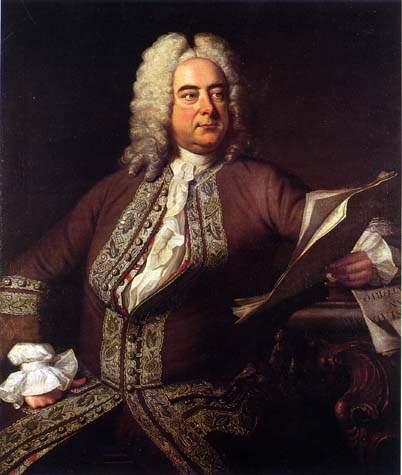
Although he is better known for his oratorios, operas, and orchestral suites, Handel was also a prolific keyboard composer, organ virtuoso—his performances were legendary—and from time to time, harpsichord teacher. Although many of his keyboard works circulated in manuscript form among his friends, his Eight Suites for Keyboard (1720)—which he himself painstakingly prepared—remain one of the best-known published collection of harpsichord pieces of the 18th century.
Handel's 15 organ concertos, which allowed him to display his remarkable improvisational skills, were designed to fill intervals in oratorio performances. He continued to play organ concertos even after he had lost his sight, either trusting his memory to remember older concertos or improvising the solo parts of new ones. Listen to the juxtaposition of strings and harpsichord in the slow opening of his Organ Concerto No.13 in F Major, first performed in 1739 with his oratorio Israel in Egypt, for the organ entry, which answers the orchestra, and for the word painting of the Cuckoo and the Nightingale (plus Cuckoo)—what wonderful closing runs—in the Allegro movement from that concerto.
Composer: George Frideric Handel
-
"Organ Concerto No. 13 in F Major, HWV 295, "
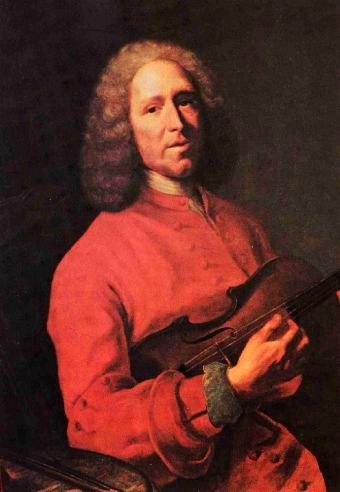
A towering figure in the development of keyboard music, Rameau is, together with François Couperin, one of the two masters of the French school of harpsichord music in the 18th century. By 1722, he had published his first book of masterpieces for harpsichord—he eventually wrote two more collections that circulated throughout Europe—succeded his father as organist at Notre Dame Cathedral in Paris, and established his reputation as music theorist with his Traité de l'Harmonie (Treatise on Harmony), that laid revolutionary composition rules still in use today. Rameau was also an organist, as well as composer of operas—he wrote some twenty of them after he was almost 50—and music for the theater (he worked some of his harpsichord pieces into his stage works.) He died in 1764, summoning the strength to scold the priest who performed his last rites for singing out of tune, and was mourned as "the torch of music," and "the creator of harmony." His music, however, had gone out of fashion by the end of the 18th century, but enjoyed efforts to revive it in the 20th.
La Poule, the fourth piece of Rameau's Suite in G Major - minor, is another exercise in word painting. It's hard to miss the image of a chicken clucking and pecking away in the repeated notes and fast runs that make this such a delightful piece to experience.
Composer: Jean-Philippe Rameau
-
"Pieces de Clavecin: Suite in G Major - minor: IV. La Poule"
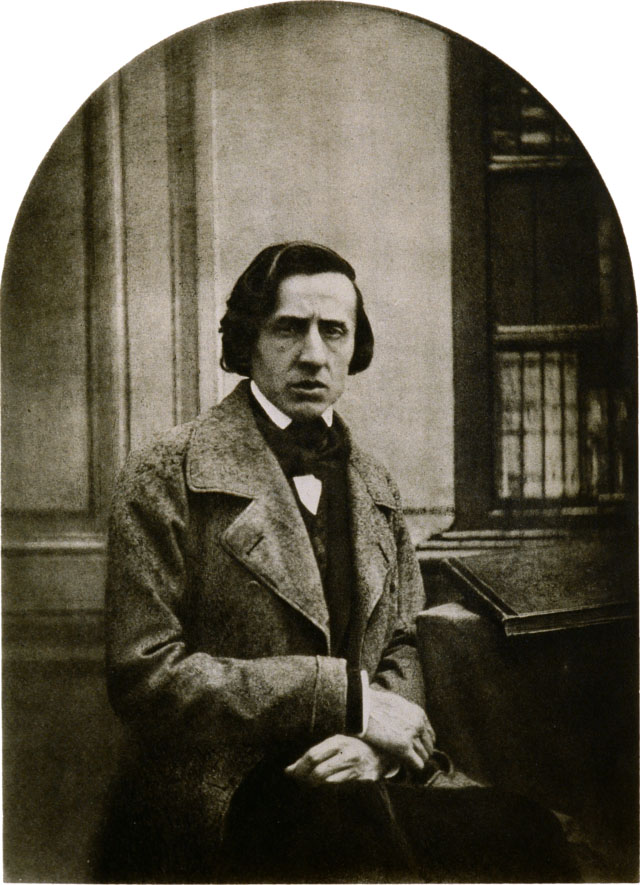
Alongside Franz Liszt, Chopin is considered the quinteessential composer for the piano. Mastery of his works, in particular the two sets of Études (Studies) written in his twenties, is an essential requirement for anyone interested in becoming a piano virtuoso. A consumate craftsman, his compositions exploit all the technical and expressive resources of the piano through an unparalleled musical imagination and sensitivity.
All of Chopin's compositions—mazurcas, polonaises, études, nocturnes, waltzes, sonatas, and ballades—take advantage of new advances in piano construction, especially those developed by Pleyel and Company, the piano manufacturing firm established in 1807, who also ran the Salle Pleyel, the concert hall where he gave his first and last Paris concerts.
Chopin's two piano concertos, written as a young man in 1829 and 1830, just a few months appart from each other, are works of striking originality. The Larghetto from the Second Concerto—the earlier of the two, but second published—is a perfect example of how he was able to reinvent the piano as a singing instrument, much along the lines of the Italian bel canto (beautiful singing) which he so greatly admired. Listen to the lyricism, expressiveness, and virtuoso flourishes that exploit the entire range of the instrument in this work of incomparable beauty, greatly admired by fellow composers, including Liszt, and apparently inspired by a young singer named Constantia Gladkowska about whom Chopin wrote: "I have...found my ideal, whom I worship faithfully and sincerely... But in the six months since I first saw her I have not exchanged a syllable with her of whom I dream every night, she who was in my mind when I composed [the slow movement]." The two did eventually speak, but alas, there was just friendship, no romance.
Composer: Frédéric Chopin
-
"Piano Concerto No. 2 in F Minor, Op. 21: II. Larghetto"